God Is at Work. You’re Invited Into the Story.
Around the world, God is moving through ordinary people who pray, give, go, and serve. Hold the Rope helps you discover the stories—and find your place in them. Read More
MISSIONS IN
God is moving in Honduras
Missions in Honduras are shaped by a strongly evangelical Central American nation where churches serve communities affected by poverty, migration, violence, and hurricanes. One unreached people group remains, representing about 2,100 people. The strongest long-term opportunities combine locally led churches, biblical discipleship, practical service, and witness that fits the country’s distinct cultural setting.
 11M
POPULATION
11M
POPULATION
 95.8%
CHRISTIANS
95.8%
CHRISTIANS
 89%
LITERACY
89%
LITERACY
 1
UNREACHED PEOPLE GROUPS
1
UNREACHED PEOPLE GROUPS
 Turk
LARGEST UNREACHED PEOPLE GROUP
Turk
LARGEST UNREACHED PEOPLE GROUP
 2.1K
UNREACHED POPULATION
2.1K
UNREACHED POPULATION
 Tegucigalpa
CAPITAL CITY
Tegucigalpa
CAPITAL CITY
 Tegucigalpa
San Pedro Sula
La Ceiba
LARGEST CITIES
Tegucigalpa
San Pedro Sula
La Ceiba
LARGEST CITIES
 Honduran
Lempira
CURRENCY
Honduran
Lempira
CURRENCY
 Tropical climate, with hot humid Caribbean lowlands, drier southern areas, and cooler conditions in the.
CLIMATE
Tropical climate, with hot humid Caribbean lowlands, drier southern areas, and cooler conditions in the.
CLIMATE
 Spanish
PRIMARY LANGUAGES
Spanish
PRIMARY LANGUAGES
 Islam
LARGEST UNREACHED RELIGION
Islam
LARGEST UNREACHED RELIGION
Around the world, God is moving through ordinary people who pray, give, go, and serve. Hold the Rope helps you discover the stories—and find your place in them. Read More
 Bible Translation
Spanish Scripture is abundant, while Miskito and other minority languages still matter for coastal ministry.
Bible Translation
Spanish Scripture is abundant, while Miskito and other minority languages still matter for coastal ministry.
 Church Planting
Church planting can focus on violent urban districts and remote communities while developing Honduran pastors.
Church Planting
Church planting can focus on violent urban districts and remote communities while developing Honduran pastors.
 Disaster Relief
Church planting remains urgent among Somali, coastal Muslim.
Disaster Relief
Church planting remains urgent among Somali, coastal Muslim.
 Education
Church planting remains urgent among Somali, coastal Muslim.
Education
Church planting remains urgent among Somali, coastal Muslim.
 Gospel Access
One UPG remains—about 2,100 Turks—so the larger task is deep discipleship within a heavily churched population.
Gospel Access
One UPG remains—about 2,100 Turks—so the larger task is deep discipleship within a heavily churched population.
 Human Trafficking
Church planting remains urgent among Somali, coastal Muslim.
Human Trafficking
Church planting remains urgent among Somali, coastal Muslim.
 Medical Missions
Church planting remains urgent among Somali, coastal Muslim.
Medical Missions
Church planting remains urgent among Somali, coastal Muslim.
 Orphans & Vulnerable Children
Church planting remains urgent among Somali, coastal Muslim.
Orphans & Vulnerable Children
Church planting remains urgent among Somali, coastal Muslim.
 Persecuted Church
Believers worship freely, but pastors may face criminal violence and pressure when churches confront gang activity.
Persecuted Church
Believers worship freely, but pastors may face criminal violence and pressure when churches confront gang activity.
 Poverty & Justice
Churches can support jobs, agriculture, and family stability in communities where poverty drives outward migration.
Poverty & Justice
Churches can support jobs, agriculture, and family stability in communities where poverty drives outward migration.
 Unreached People Groups
Millions still have little or no access to the gospel in their language and culture.
Unreached People Groups
Millions still have little or no access to the gospel in their language and culture.
Global
Around the world, God is moving through ordinary people who pray, give, go, and serve. Hold the Rope helps you discover the stories—and find your place in them.

Global
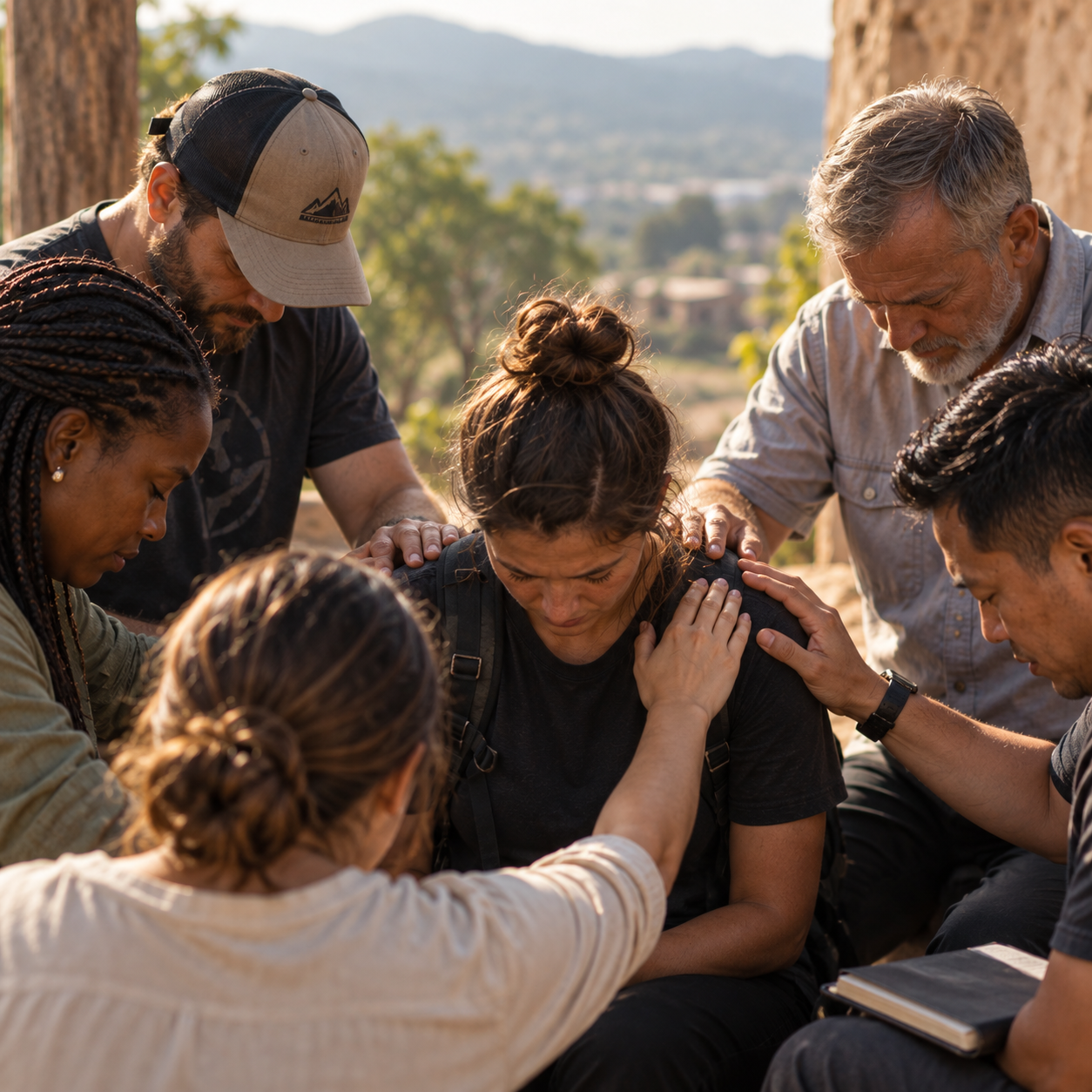
Missions was never meant to be a solo adventure. Invite your family, friends, small group, or church to discover what God is doing and join you in holding the rope.
Global
You’re on the front lines. We want to stand behind you. Join Hold the Rope to share your story, prayer needs, and ministry with people ready to pray and engage.

 Prayer
 Mission
 Research &
 Training &
 Videos &
 Missions
Honduras’s evangelical missions history helps explain its present church. Central American Mission, Baptist, Moravian, Pentecostal, and other movements expanded during the 20th century; Honduran pastors increasingly led church growth while ministries developed among Miskito and other Caribbean-coast peoples. Over time, local pastors, teachers, evangelists, and congregations assumed greater responsibility for ministry.
Central American Mission and other evangelical workers expanded ministry in Honduras during the early 20th century.
Baptist, Moravian, Pentecostal, and holiness churches spread through cities, highlands, and Caribbean-coast communities.
Honduran pastors increasingly led congregations while Bible institutes trained workers for national evangelism.
Urban violence, migration, and major hurricanes broadened church ministry into youth work, relief, and community development.
Honduran believers now serve a heavily churched nation while seeking deeper discipleship and stronger missionary sending.
Be a part of what God is doing in Honduras
PRAY ENGAGE GIVE GO


Download the App
Grab your rope

Hold the Rope makes every effort to publish and maintain accurate, up-to-date information. If you find an error, please email support@holdtherope.com with the page URL and the correction you recommend. Thank you for helping us keep HTR accurate and useful.