God Is at Work. You’re Invited Into the Story.
Around the world, God is moving through ordinary people who pray, give, go, and serve. Hold the Rope helps you discover the stories—and find your place in them. Read More
MISSIONS IN
God is moving in Guatemala
Missions in Guatemala are shaped by one of Latin America’s most evangelical nations, yet marked by deep indigenous diversity, poverty, and the legacy of civil war. One unreached people group remains, representing about 900 people. The strongest long-term opportunities combine locally led churches, biblical discipleship, practical service, and witness that fits the country’s distinct cultural setting.
 19M
POPULATION
19M
POPULATION
 97.4%
CHRISTIANS
97.4%
CHRISTIANS
 81.5%
LITERACY
81.5%
LITERACY
 1
UNREACHED PEOPLE GROUPS
1
UNREACHED PEOPLE GROUPS
 Jewish
Spanish speaking
LARGEST UNREACHED PEOPLE GROUP
Jewish
Spanish speaking
LARGEST UNREACHED PEOPLE GROUP
 900
UNREACHED POPULATION
900
UNREACHED POPULATION
 Guatemala
City
CAPITAL CITY
Guatemala
City
CAPITAL CITY
 Guatemala City
Mixco
Villa Nueva
LARGEST CITIES
Guatemala City
Mixco
Villa Nueva
LARGEST CITIES
 Guatemalan
Quetzal
CURRENCY
Guatemalan
Quetzal
CURRENCY
 Tropical overall but shaped by elevation, with hot lowlands, mild highlands, seasonal rains, and.
CLIMATE
Tropical overall but shaped by elevation, with hot lowlands, mild highlands, seasonal rains, and.
CLIMATE
 Spanish
K'iche'
PRIMARY LANGUAGES
Spanish
K'iche'
PRIMARY LANGUAGES
 Ethnic
LARGEST UNREACHED RELIGION
Ethnic
LARGEST UNREACHED RELIGION
Around the world, God is moving through ordinary people who pray, give, go, and serve. Hold the Rope helps you discover the stories—and find your place in them. Read More
 Bible Translation
Spanish Bibles are plentiful, while Maya languages remain essential for culturally rooted discipleship.
Bible Translation
Spanish Bibles are plentiful, while Maya languages remain essential for culturally rooted discipleship.
 Church Planting
Churches need indigenous pastors who can lead in Maya communities without reproducing outside dependency.
Church Planting
Churches need indigenous pastors who can lead in Maya communities without reproducing outside dependency.
 Disaster Relief
Church planting remains urgent among Somali, coastal Muslim.
Disaster Relief
Church planting remains urgent among Somali, coastal Muslim.
 Education
Church planting remains urgent among Somali, coastal Muslim.
Education
Church planting remains urgent among Somali, coastal Muslim.
 Gospel Access
Only one UPG remains—about 900 Spanish-speaking Jews—so church health matters more than frontier access.
Gospel Access
Only one UPG remains—about 900 Spanish-speaking Jews—so church health matters more than frontier access.
 Human Trafficking
Church planting remains urgent among Somali, coastal Muslim.
Human Trafficking
Church planting remains urgent among Somali, coastal Muslim.
 Medical Missions
Church planting remains urgent among Somali, coastal Muslim.
Medical Missions
Church planting remains urgent among Somali, coastal Muslim.
 Orphans & Vulnerable Children
Church planting remains urgent among Somali, coastal Muslim.
Orphans & Vulnerable Children
Church planting remains urgent among Somali, coastal Muslim.
 Persecuted Church
Religious freedom is broad; syncretism, leadership integrity, and the legacy of conflict require mature discipleship.
Persecuted Church
Religious freedom is broad; syncretism, leadership integrity, and the legacy of conflict require mature discipleship.
 Poverty & Justice
Churches can confront chronic malnutrition and rural poverty through locally sustainable family-centered programs.
Poverty & Justice
Churches can confront chronic malnutrition and rural poverty through locally sustainable family-centered programs.
 Unreached People Groups
Millions still have little or no access to the gospel in their language and culture.
Unreached People Groups
Millions still have little or no access to the gospel in their language and culture.
Global
Around the world, God is moving through ordinary people who pray, give, go, and serve. Hold the Rope helps you discover the stories—and find your place in them.
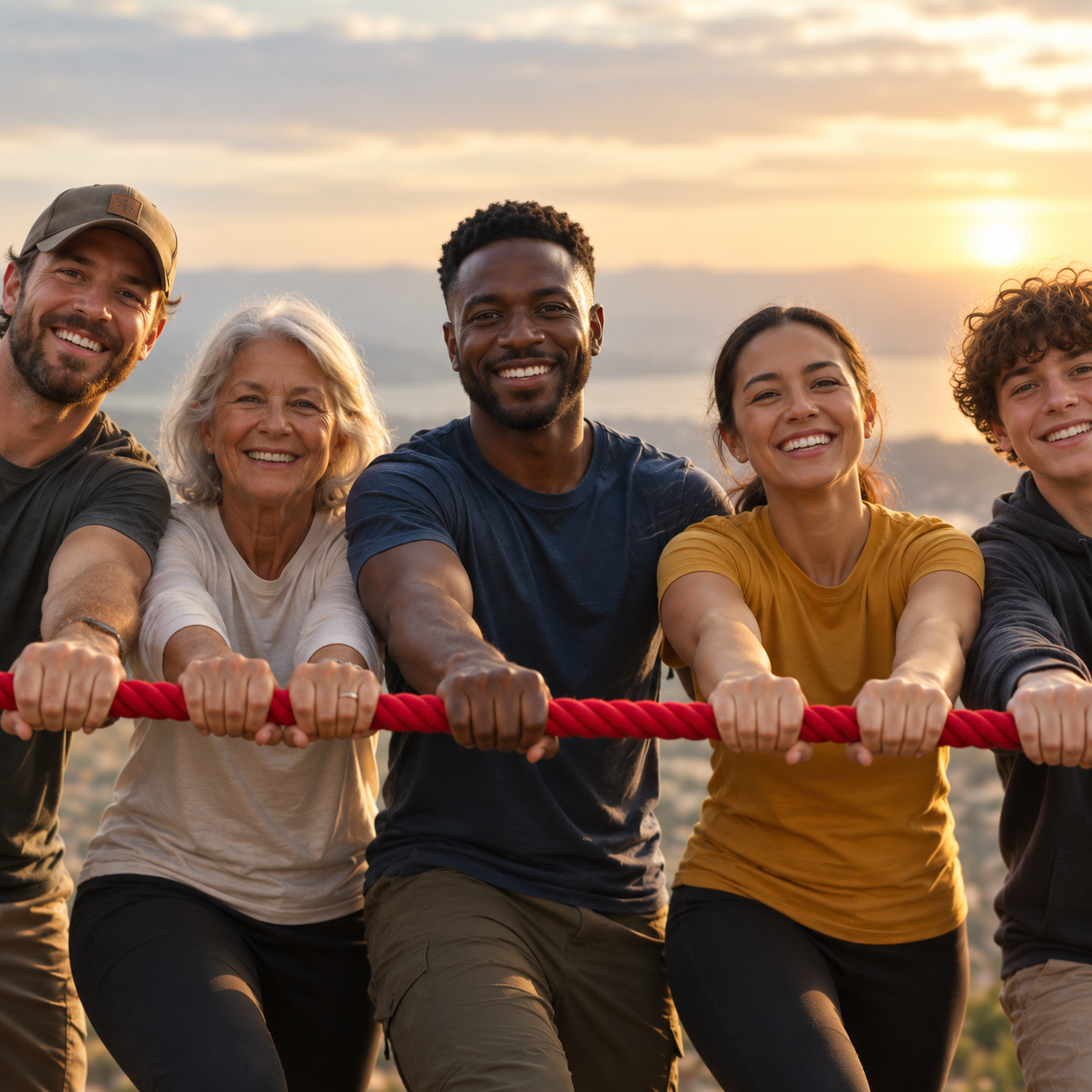
Global
Missions was never meant to be a solo adventure. Invite your family, friends, small group, or church to discover what God is doing and join you in holding the rope.
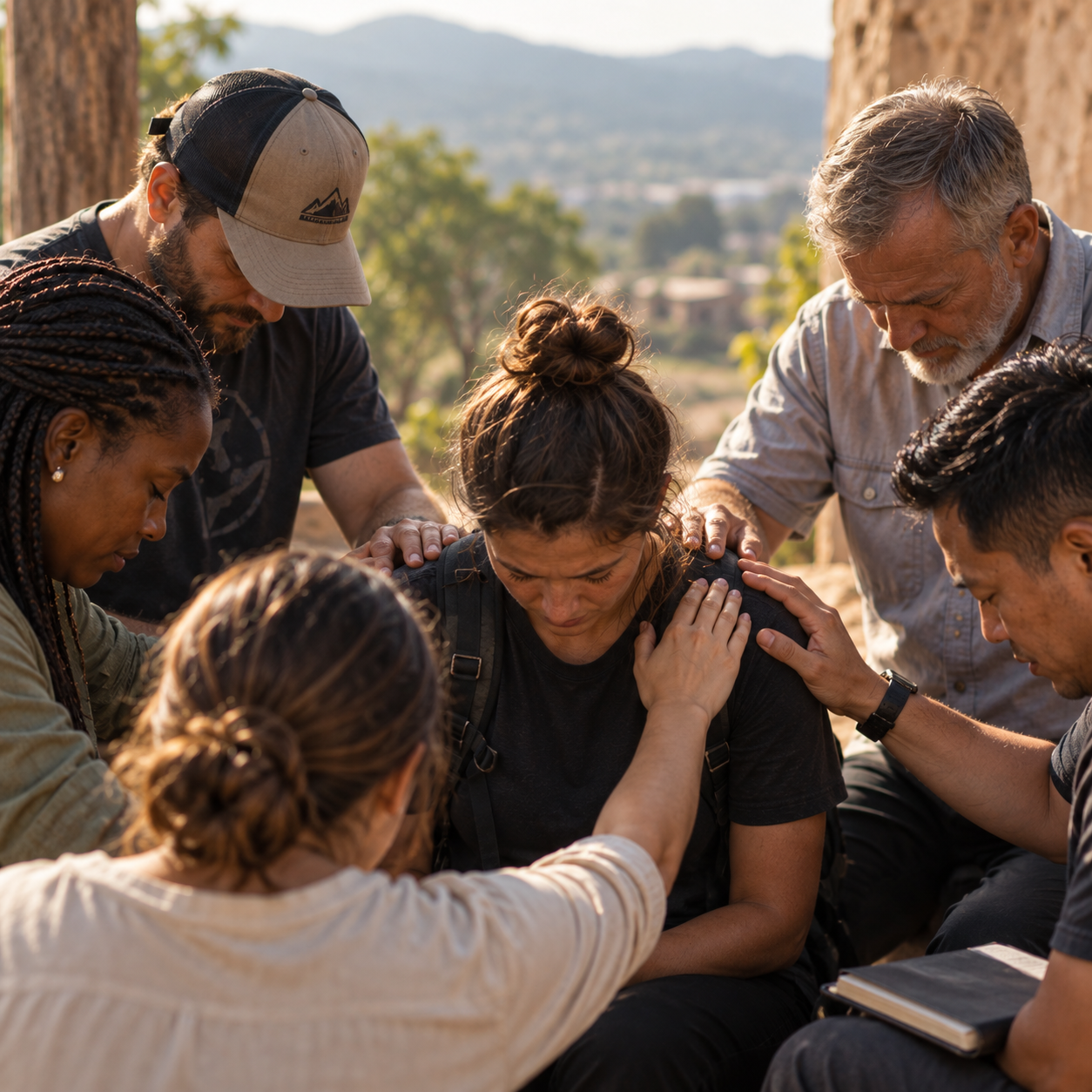
Global
You’re on the front lines. We want to stand behind you. Join Hold the Rope to share your story, prayer needs, and ministry with people ready to pray and engage.

 Prayer
 Mission
 Research &
 Training &
 Videos &
 Missions
Guatemala’s evangelical missions history helps explain its present church. Central American Mission and other evangelical workers expanded in the late 19th and early 20th centuries; Pentecostal growth accelerated later, while Maya churches developed strong indigenous leadership despite civil-war violence. Over time, local pastors, teachers, evangelists, and congregations assumed greater responsibility for ministry.
Central American Mission and other evangelical workers expanded Bible teaching and church planting in Guatemala around 1900.
Pentecostal churches grew rapidly during the 20th century, eventually making evangelical faith highly visible nationwide.
Maya pastors and congregations developed indigenous leadership even as civil war devastated many highland communities.
After the 1996 peace accords, churches expanded education, relief, reconciliation, and local mission among diverse Maya peoples.
Guatemalan believers now form a major national church whose greatest needs are depth, integrity, and healthy indigenous leadership.
Be a part of what God is doing in Guatemala
PRAY ENGAGE GIVE GO


Download the App
Grab your rope

Hold the Rope makes every effort to publish and maintain accurate, up-to-date information. If you find an error, please email support@holdtherope.com with the page URL and the correction you recommend. Thank you for helping us keep HTR accurate and useful.