God Is at Work. You’re Invited Into the Story.
Around the world, God is moving through ordinary people who pray, give, go, and serve. Hold the Rope helps you discover the stories—and find your place in them. Read More
MISSIONS IN
God is moving in Cuba
Missions in Cuba are shaped by a Caribbean nation where evangelical churches have grown despite decades of communist control and economic hardship, a resilient Baptist, Pentecostal, Methodist, and house-church movement with strong local leadership, and only two unreached peoples, while shortages, migration, and restrictions make discipleship and pastoral endurance central. 2 unreached people groups remain, representing about 34,500 people.
 11M
POPULATION
11M
POPULATION
 60.1%
CHRISTIANS
60.1%
CHRISTIANS
 99.8%
LITERACY
99.8%
LITERACY
 2
UNREACHED PEOPLE GROUPS
2
UNREACHED PEOPLE GROUPS
 South Asian
general
LARGEST UNREACHED PEOPLE GROUP
South Asian
general
LARGEST UNREACHED PEOPLE GROUP
 35K
UNREACHED POPULATION
35K
UNREACHED POPULATION
 Havana
CAPITAL CITY
Havana
CAPITAL CITY
 Havana
Santiago de Cuba
Camagüey
LARGEST CITIES
Havana
Santiago de Cuba
Camagüey
LARGEST CITIES
 Cuban
Peso
CURRENCY
Cuban
Peso
CURRENCY
 Tropical climate, with warm temperatures year-round, a wetter summer season, and frequent hurricane.
CLIMATE
Tropical climate, with warm temperatures year-round, a wetter summer season, and frequent hurricane.
CLIMATE
 Spanish
PRIMARY LANGUAGES
Spanish
PRIMARY LANGUAGES
 Hinduism
LARGEST UNREACHED RELIGION
Hinduism
LARGEST UNREACHED RELIGION
Around the world, God is moving through ordinary people who pray, give, go, and serve. Hold the Rope helps you discover the stories—and find your place in them. Read More
 Bible Translation
Spanish Bibles are common, while shortages of printed materials can make digital and shared resources especially useful.
Bible Translation
Spanish Bibles are common, while shortages of printed materials can make digital and shared resources especially useful.
 Church Planting
House churches allow Cuban leaders to multiply congregations even when buildings or formal permissions are difficult.
Church Planting
House churches allow Cuban leaders to multiply congregations even when buildings or formal permissions are difficult.
 Disaster Relief
Church planting remains urgent among Somali, coastal Muslim.
Disaster Relief
Church planting remains urgent among Somali, coastal Muslim.
 Education
Church planting remains urgent among Somali, coastal Muslim.
Education
Church planting remains urgent among Somali, coastal Muslim.
 Gospel Access
Only two UPGs remain; Cuba's broader challenge is discipling a growing church amid economic and political pressure.
Gospel Access
Only two UPGs remain; Cuba's broader challenge is discipling a growing church amid economic and political pressure.
 Human Trafficking
Church planting remains urgent among Somali, coastal Muslim.
Human Trafficking
Church planting remains urgent among Somali, coastal Muslim.
 Medical Missions
Church planting remains urgent among Somali, coastal Muslim.
Medical Missions
Church planting remains urgent among Somali, coastal Muslim.
 Orphans & Vulnerable Children
Church planting remains urgent among Somali, coastal Muslim.
Orphans & Vulnerable Children
Church planting remains urgent among Somali, coastal Muslim.
 Persecuted Church
Churches have more space than in earlier communist decades, but registration and public activity remain regulated.
Persecuted Church
Churches have more space than in earlier communist decades, but registration and public activity remain regulated.
 Poverty & Justice
Food shortages and low wages make mutual aid a natural expression of local church life and neighborhood care.
Poverty & Justice
Food shortages and low wages make mutual aid a natural expression of local church life and neighborhood care.
 Unreached People Groups
Millions still have little or no access to the gospel in their language and culture.
Unreached People Groups
Millions still have little or no access to the gospel in their language and culture.
Global
Around the world, God is moving through ordinary people who pray, give, go, and serve. Hold the Rope helps you discover the stories—and find your place in them.

Global
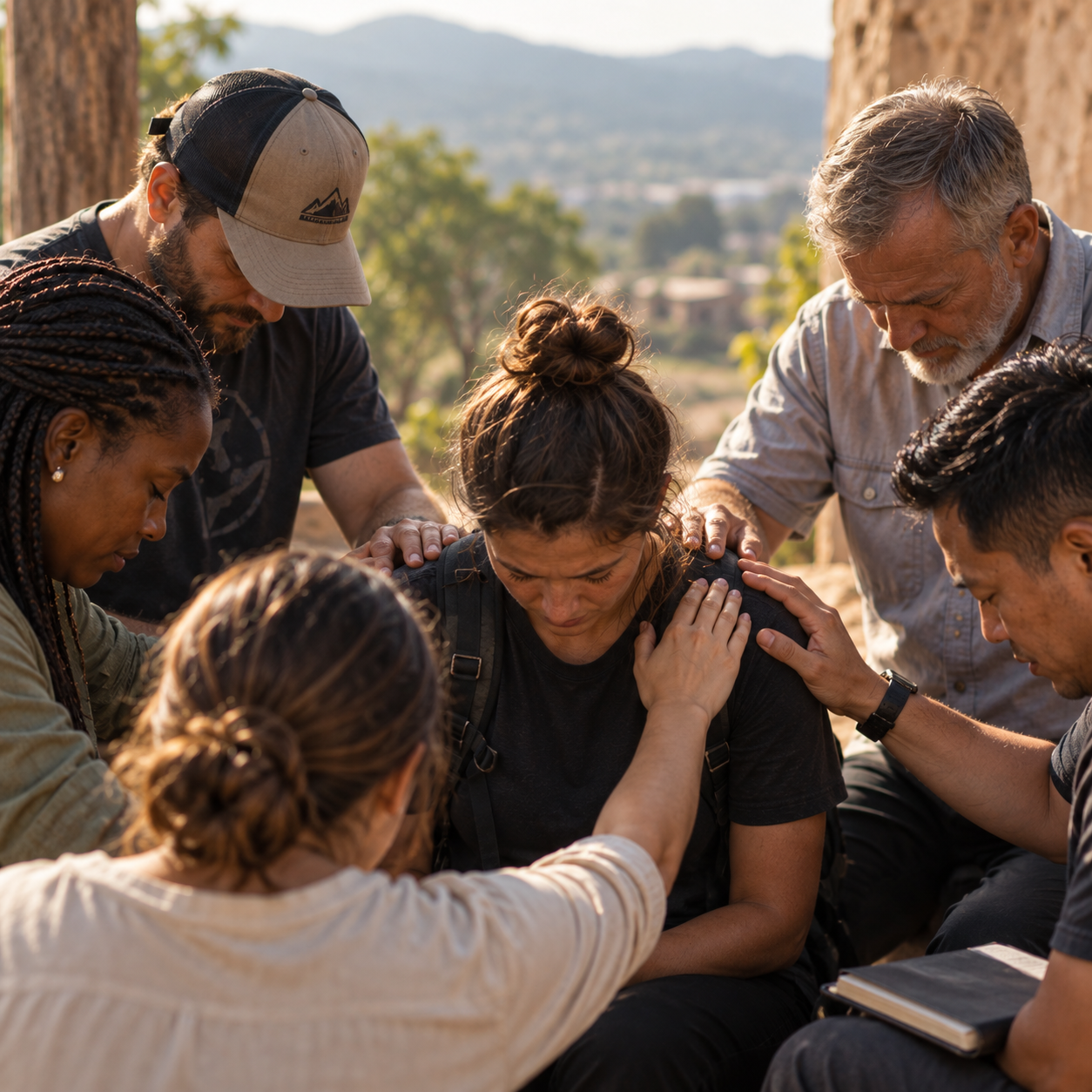
Missions was never meant to be a solo adventure. Invite your family, friends, small group, or church to discover what God is doing and join you in holding the rope.
Global
You’re on the front lines. We want to stand behind you. Join Hold the Rope to share your story, prayer needs, and ministry with people ready to pray and engage.

 Prayer
 Mission
 Research &
 Training &
 Videos &
 Missions
Cuba’s evangelical story expanded rapidly in the decades before the 1959 Revolution through Baptist, Methodist, Presbyterian, Pentecostal, and other churches, schools, and mission institutions. The revolutionary government later restricted religious organizations, nationalized schools, and prompted many foreign workers and Cuban leaders to leave. Yet local congregations survived, and house churches became especially important during later decades.
Baptist, Methodist, Presbyterian, and other evangelical missions expanded rapidly in Cuba before the 1959 Revolution.
Revolutionary nationalization closed Christian schools and sharply restricted institutions, prompting many leaders to leave.
Cuban pastors and lay believers nevertheless sustained congregations through decades of communist pressure and economic scarcity.
From the 1990s onward, house churches and established congregations experienced significant growth as religious space widened somewhat.
Cuban churches now disciple new believers and serve struggling communities amid migration, shortages, and continuing state controls.

Be a part of what God is doing in Cuba
PRAY ENGAGE GIVE GO


Download the App
Grab your rope

Hold the Rope makes every effort to publish and maintain accurate, up-to-date information. If you find an error, please email support@holdtherope.com with the page URL and the correction you recommend. Thank you for helping us keep HTR accurate and useful.