
God Is at Work. You’re Invited Into the Story.
Around the world, God is moving through ordinary people who pray, give, go, and serve. Hold the Rope helps you discover the stories—and find your place in them. Read More
MISSIONS IN
God is moving in Austria
Missions in Austria serve a prosperous European nation where Christian history is highly visible but active evangelical faith is comparatively rare. There are nine unreached people groups and about 518,000 people living among them, including roughly 359,000 unreached Turks. Vienna’s international population, migration from the Balkans and Middle East.
 9.1M
POPULATION
9.1M
POPULATION
 72.2%
CHRISTIANS
72.2%
CHRISTIANS
 99%
LITERACY
99%
LITERACY
 9
UNREACHED PEOPLE GROUPS
9
UNREACHED PEOPLE GROUPS
 Turk
LARGEST UNREACHED PEOPLE GROUP
Turk
LARGEST UNREACHED PEOPLE GROUP
 359K
UNREACHED POPULATION
359K
UNREACHED POPULATION
 Vienna
CAPITAL CITY
Vienna
CAPITAL CITY
 Vienna
Graz
Linz
LARGEST CITIES
Vienna
Graz
Linz
LARGEST CITIES
 Euro
CURRENCY
Euro
CURRENCY
 Temperate continental climate, with warm summers, cold winters, and alpine conditions in western Austria.
CLIMATE
Temperate continental climate, with warm summers, cold winters, and alpine conditions in western Austria.
CLIMATE
 German
PRIMARY LANGUAGES
German
PRIMARY LANGUAGES
 Islam
LARGEST UNREACHED RELIGION
Islam
LARGEST UNREACHED RELIGION
Around the world, God is moving through ordinary people who pray, give, go, and serve. Hold the Rope helps you discover the stories—and find your place in them. Read More
 Bible Translation
German Scripture is abundant, while Turkish and diaspora resources expand Gospel access.
Bible Translation
German Scripture is abundant, while Turkish and diaspora resources expand Gospel access.
 Church Planting
Church planting is strategic in secular cities and among Austria's immigrant communities.
Church Planting
Church planting is strategic in secular cities and among Austria's immigrant communities.
 Disaster Relief
Church planting remains urgent among Somali, coastal Muslim.
Disaster Relief
Church planting remains urgent among Somali, coastal Muslim.
 Education
Church planting remains urgent among Somali, coastal Muslim.
Education
Church planting remains urgent among Somali, coastal Muslim.
 Gospel Access
About 518,000 people are unreached, including roughly 359,000 unreached Turks in Austria.
Gospel Access
About 518,000 people are unreached, including roughly 359,000 unreached Turks in Austria.
 Human Trafficking
Church planting remains urgent among Somali, coastal Muslim.
Human Trafficking
Church planting remains urgent among Somali, coastal Muslim.
 Medical Missions
Church planting remains urgent among Somali, coastal Muslim.
Medical Missions
Church planting remains urgent among Somali, coastal Muslim.
 Orphans & Vulnerable Children
Church planting remains urgent among Somali, coastal Muslim.
Orphans & Vulnerable Children
Church planting remains urgent among Somali, coastal Muslim.
 Persecuted Church
Evangelicals worship freely today, though Austria's history includes severe religious repression.
Persecuted Church
Evangelicals worship freely today, though Austria's history includes severe religious repression.
 Poverty & Justice
Churches can serve refugees and low-income families while preserving dignity and relationship.
Poverty & Justice
Churches can serve refugees and low-income families while preserving dignity and relationship.
 Unreached People Groups
Millions still have little or no access to the gospel in their language and culture.
Unreached People Groups
Millions still have little or no access to the gospel in their language and culture.
Global
Around the world, God is moving through ordinary people who pray, give, go, and serve. Hold the Rope helps you discover the stories—and find your place in them.

Global
Missions was never meant to be a solo adventure. Invite your family, friends, small group, or church to discover what God is doing and join you in holding the rope.
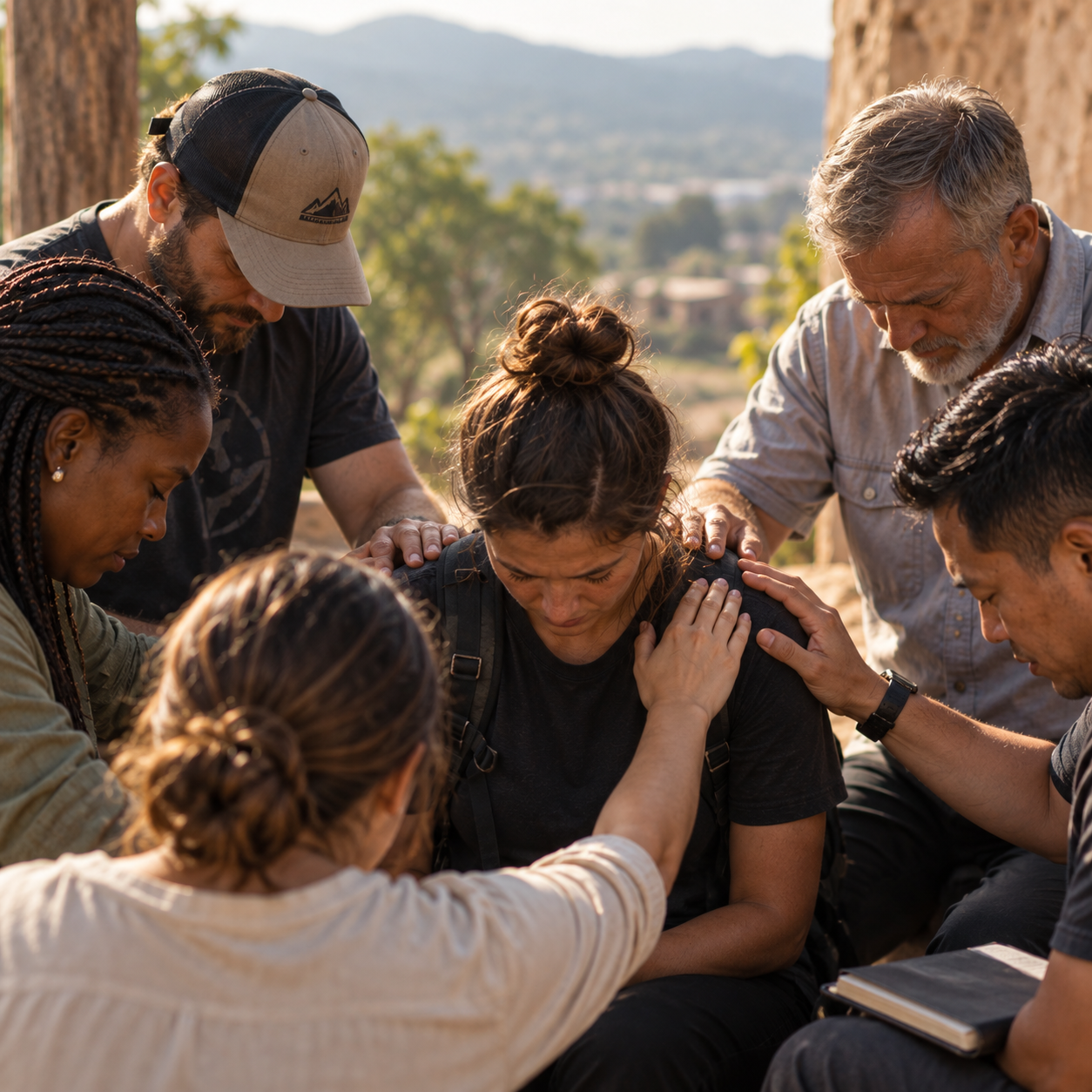
Global
You’re on the front lines. We want to stand behind you. Join Hold the Rope to share your story, prayer needs, and ministry with people ready to pray and engage.

 Prayer
 Mission
 Research &
 Training &
 Videos &
 Missions
Austria has a dramatic evangelical history. Reformation teaching spread rapidly after the 1520s, but the Habsburg Counter-Reformation drove many evangelical believers underground or into exile. The 1781 Edict of Tolerance restored limited legal space, and fuller equality followed in the 19th century. Free churches and newer evangelical movements later developed more visibly, with additional congregations planted after World War II. Today, secularization and immigration have made Vienna and other cities important fields for multicultural evangelism, discipleship, and church planting.
Reformation teaching spread widely in Austria during the 1500s before severe repression followed.
The 1781 Edict of Tolerance restored limited legal space after generations of underground faith.
Free churches and newer evangelical movements developed more visibly in the 1800s and 1900s.
Postwar church planting and immigration created new congregations and multicultural ministries.
Today, Austria's churches are reaching secular Europeans and large diaspora communities.

Be a part of what God is doing in Austria
PRAY ENGAGE GIVE GO


Download the App
Grab your rope

Hold the Rope makes every effort to publish and maintain accurate, up-to-date information. If you find an error, please email support@holdtherope.com with the page URL and the correction you recommend. Thank you for helping us keep HTR accurate and useful.