God Is at Work. You’re Invited Into the Story.
Around the world, God is moving through ordinary people who pray, give, go, and serve. Hold the Rope helps you discover the stories—and find your place in them. Read More
MISSIONS IN
God is moving in Serbia
The Gospel opportunity in Serbia is inseparable from an Orthodox-majority Balkan nation with small Baptist, Pentecostal, Nazarene, and evangelical communities shaped by a post-Yugoslav legacy. 6 unreached people groups remain, representing about 164,900 people; Bosniak is the largest listed community. The strongest opportunities combine locally led discipleship, thoughtful evangelism, and practical service rooted in trusted church relationships.
 6.7M
POPULATION
6.7M
POPULATION
 89.2%
CHRISTIANS
89.2%
CHRISTIANS
 98.8%
LITERACY
98.8%
LITERACY
 6
UNREACHED PEOPLE GROUPS
6
UNREACHED PEOPLE GROUPS
 Bosniak
LARGEST UNREACHED PEOPLE GROUP
Bosniak
LARGEST UNREACHED PEOPLE GROUP
 165K
UNREACHED POPULATION
165K
UNREACHED POPULATION
 Belgrade
CAPITAL CITY
Belgrade
CAPITAL CITY
 Belgrade
Novi Sad
Niš
LARGEST CITIES
Belgrade
Novi Sad
Niš
LARGEST CITIES
 Serbian
Dinar
CURRENCY
Serbian
Dinar
CURRENCY
 Temperate continental climate, with hot summers, cold winters, moderate rain, and cooler mountain.
CLIMATE
Temperate continental climate, with hot summers, cold winters, moderate rain, and cooler mountain.
CLIMATE
 Serbian
PRIMARY LANGUAGES
Serbian
PRIMARY LANGUAGES
 Islam
LARGEST UNREACHED RELIGION
Islam
LARGEST UNREACHED RELIGION
Around the world, God is moving through ordinary people who pray, give, go, and serve. Hold the Rope helps you discover the stories—and find your place in them. Read More
 Bible Translation
Accessible Serbian Scripture can strengthen Serbia's church as it reaches nominal Orthodox Serbs, Roma, Bosniaks.
Bible Translation
Accessible Serbian Scripture can strengthen Serbia's church as it reaches nominal Orthodox Serbs, Roma, Bosniaks.
 Church Planting
Belgrade should not be the endpoint; Serbia needs locally led churches closer to nominal Orthodox Serbs, Roma, Bosniaks.
Church Planting
Belgrade should not be the endpoint; Serbia needs locally led churches closer to nominal Orthodox Serbs, Roma, Bosniaks.
 Disaster Relief
Church planting remains urgent among Somali, coastal Muslim.
Disaster Relief
Church planting remains urgent among Somali, coastal Muslim.
 Education
Church planting remains urgent among Somali, coastal Muslim.
Education
Church planting remains urgent among Somali, coastal Muslim.
 Gospel Access
The remaining people-group task in Serbia spans 6 UPGs, headed by Bosniak.
Gospel Access
The remaining people-group task in Serbia spans 6 UPGs, headed by Bosniak.
 Human Trafficking
Church planting remains urgent among Somali, coastal Muslim.
Human Trafficking
Church planting remains urgent among Somali, coastal Muslim.
 Medical Missions
Church planting remains urgent among Somali, coastal Muslim.
Medical Missions
Church planting remains urgent among Somali, coastal Muslim.
 Orphans & Vulnerable Children
Church planting remains urgent among Somali, coastal Muslim.
Orphans & Vulnerable Children
Church planting remains urgent among Somali, coastal Muslim.
 Persecuted Church
Faithful witness in Serbia must account for this reality: freedom is broad, but small evangelical churches can.
Persecuted Church
Faithful witness in Serbia must account for this reality: freedom is broad, but small evangelical churches can.
 Poverty & Justice
Justice ministry in Serbia can serve Roma communities and poorer southern without creating dependency.
Poverty & Justice
Justice ministry in Serbia can serve Roma communities and poorer southern without creating dependency.
 Unreached People Groups
Millions still have little or no access to the gospel in their language and culture.
Unreached People Groups
Millions still have little or no access to the gospel in their language and culture.
Global
Around the world, God is moving through ordinary people who pray, give, go, and serve. Hold the Rope helps you discover the stories—and find your place in them.
Global
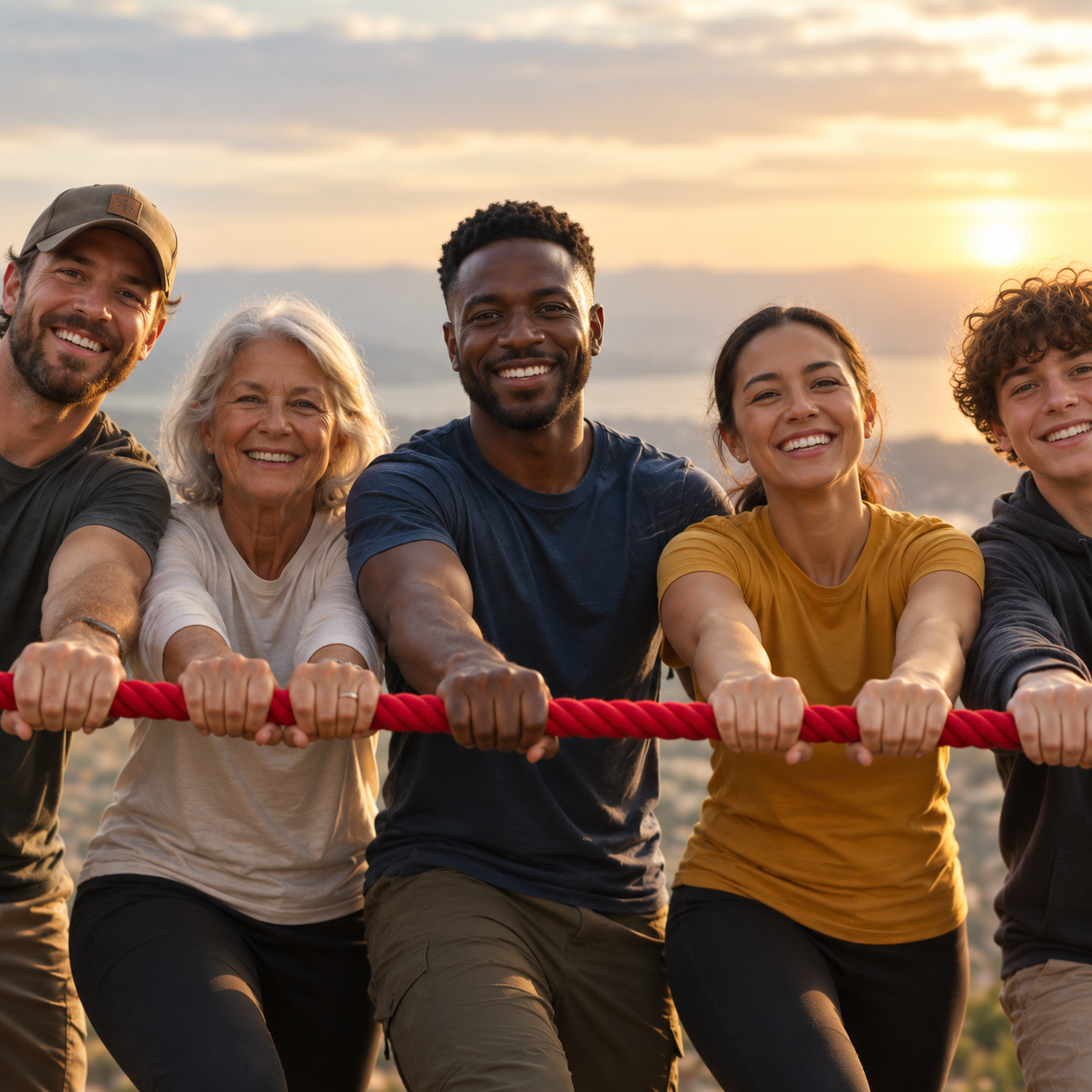
Missions was never meant to be a solo adventure. Invite your family, friends, small group, or church to discover what God is doing and join you in holding the rope.
Global
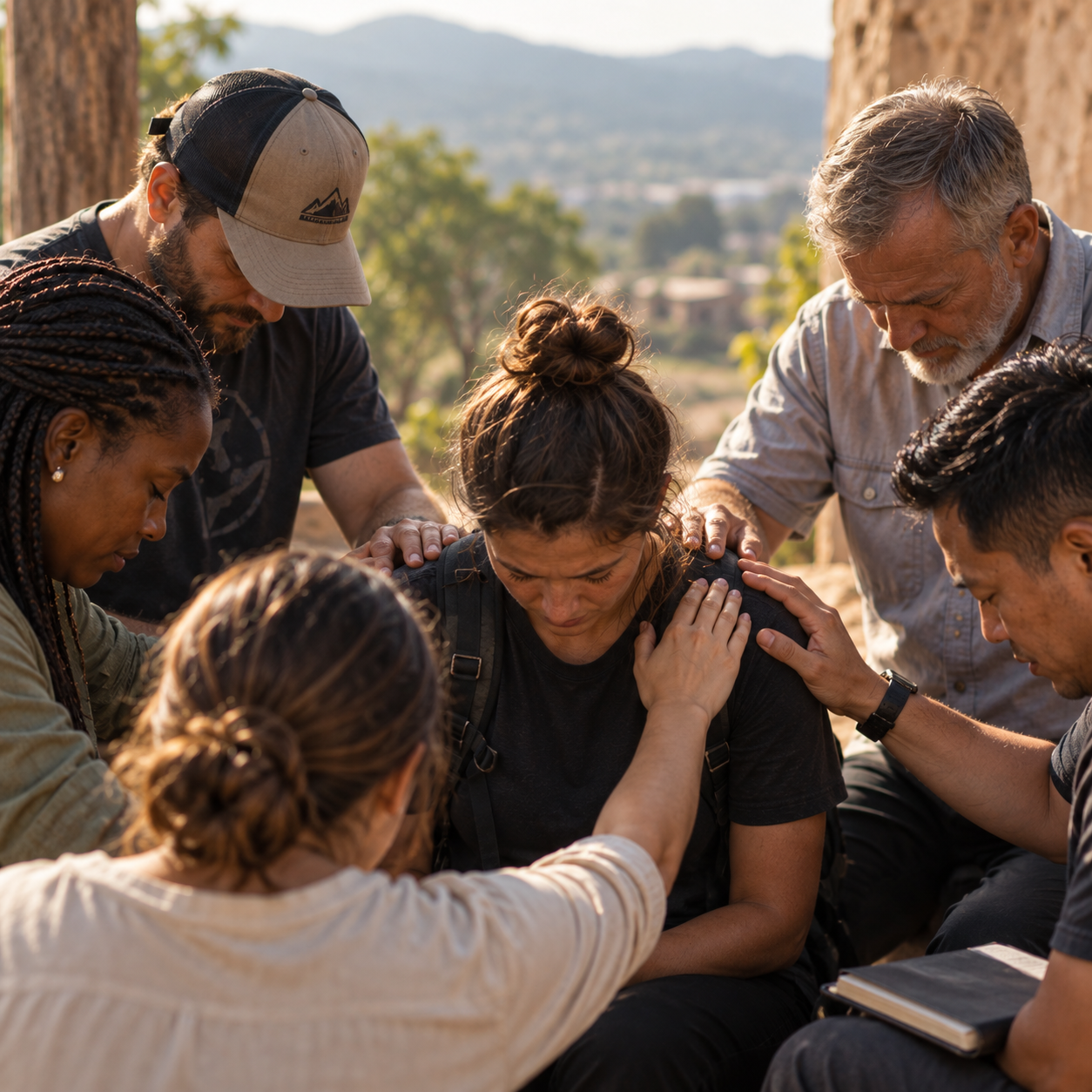
You’re on the front lines. We want to stand behind you. Join Hold the Rope to share your story, prayer needs, and ministry with people ready to pray and engage.

 Prayer
 Mission
 Research &
 Training &
 Videos &
 Missions
Baptist and Nazarene movements developed in Vojvodina during the 19th century; evangelical churches survived communist Yugoslavia and later served refugees and displaced families during the Balkan wars. The movement’s lasting strength has come as national pastors and believers assumed greater responsibility for ministry. That history matters because today’s churches must serve nominal Orthodox Serbs, Roma, Bosniaks, and younger secular people with greater local ownership.
Baptist and Nazarene movements developed in Vojvodina during the 19th century.
evangelical churches survived communist Yugoslavia and later served refugees and displaced families during the Balkan wars.
In Serbia, leadership now has to emerge from a church shaped by an Orthodox-majority Balkan nation with small Baptist, Pentecostal, Nazarene, and evangelical communities shaped by a post-Yugoslav legacy; national pastors and lay believers are best positioned to disciple nominal Orthodox Serbs, Roma, Bosniaks, and younger secular people.
Serbian churches increasingly serve Roma families, refugees, and poorer southern communities while navigating a post-Yugoslav social landscape.
Serbia's six UPGs total about 164,900 people; Bosniaks remain the largest frontier while churches pursue Roma ministry and deeper discipleship.

Be a part of what God is doing in Serbia
PRAY ENGAGE GIVE GO


Download the App
Grab your rope
Hold the Rope makes every effort to publish and maintain accurate, up-to-date information. If you find an error, please email support@holdtherope.com with the page URL and the correction you recommend. Thank you for helping us keep HTR accurate and useful.