God Is at Work. You’re Invited Into the Story.
Around the world, God is moving through ordinary people who pray, give, go, and serve. Hold the Rope helps you discover the stories—and find your place in them. Read More
MISSIONS IN
God is moving in Montenegro
For missions in Montenegro, history and present need meet in a distinctive way. Evangelical congregations in Montenegro remained very small during the era of socialist Yugoslavia. Today the country is marked by a small Balkan state where Orthodox and Muslim identities dominate and evangelical congregations remain exceptionally few. 3 UPGs remain, totaling about 56,600 unreached people; Bosniak is the largest listed group.
 638K
POPULATION
638K
POPULATION
 77%
CHRISTIANS
77%
CHRISTIANS
 98.7%
LITERACY
98.7%
LITERACY
 3
UNREACHED PEOPLE GROUPS
3
UNREACHED PEOPLE GROUPS
 Bosniak
LARGEST UNREACHED PEOPLE GROUP
Bosniak
LARGEST UNREACHED PEOPLE GROUP
 57K
UNREACHED POPULATION
57K
UNREACHED POPULATION
 Podgorica
CAPITAL CITY
Podgorica
CAPITAL CITY
 Podgorica
Nikšić
Herceg Novi
LARGEST CITIES
Podgorica
Nikšić
Herceg Novi
LARGEST CITIES
 Euro
CURRENCY
Euro
CURRENCY
 Mediterranean along the coast and continental inland, with hot summers, cold mountain winters, and.
CLIMATE
Mediterranean along the coast and continental inland, with hot summers, cold mountain winters, and.
CLIMATE
 Montenegrin
PRIMARY LANGUAGES
Montenegrin
PRIMARY LANGUAGES
 Islam
LARGEST UNREACHED RELIGION
Islam
LARGEST UNREACHED RELIGION
Around the world, God is moving through ordinary people who pray, give, go, and serve. Hold the Rope helps you discover the stories—and find your place in them. Read More
 Bible Translation
Bible ministry in Montenegro should prioritize clear Scripture access and meaningful engagement.
Bible Translation
Bible ministry in Montenegro should prioritize clear Scripture access and meaningful engagement.
 Church Planting
Church planting in Montenegro should develop mature local leaders and sustainable congregations.
Church Planting
Church planting in Montenegro should develop mature local leaders and sustainable congregations.
 Disaster Relief
Church planting remains urgent among Somali, coastal Muslim.
Disaster Relief
Church planting remains urgent among Somali, coastal Muslim.
 Education
Church planting remains urgent among Somali, coastal Muslim.
Education
Church planting remains urgent among Somali, coastal Muslim.
 Gospel Access
Montenegro has 3 UPGs and about 56,600 unreached people; Bosniak is the largest listed community.
Gospel Access
Montenegro has 3 UPGs and about 56,600 unreached people; Bosniak is the largest listed community.
 Human Trafficking
Church planting remains urgent among Somali, coastal Muslim.
Human Trafficking
Church planting remains urgent among Somali, coastal Muslim.
 Medical Missions
Church planting remains urgent among Somali, coastal Muslim.
Medical Missions
Church planting remains urgent among Somali, coastal Muslim.
 Orphans & Vulnerable Children
Church planting remains urgent among Somali, coastal Muslim.
Orphans & Vulnerable Children
Church planting remains urgent among Somali, coastal Muslim.
 Persecuted Church
The evangelical movement remains tiny today.
Persecuted Church
The evangelical movement remains tiny today.
 Poverty & Justice
Churches in Montenegro can address poverty through dignifying help that strengthens families and livelihoods.
Poverty & Justice
Churches in Montenegro can address poverty through dignifying help that strengthens families and livelihoods.
 Unreached People Groups
Millions still have little or no access to the gospel in their language and culture.
Unreached People Groups
Millions still have little or no access to the gospel in their language and culture.
Global
Around the world, God is moving through ordinary people who pray, give, go, and serve. Hold the Rope helps you discover the stories—and find your place in them.

Global
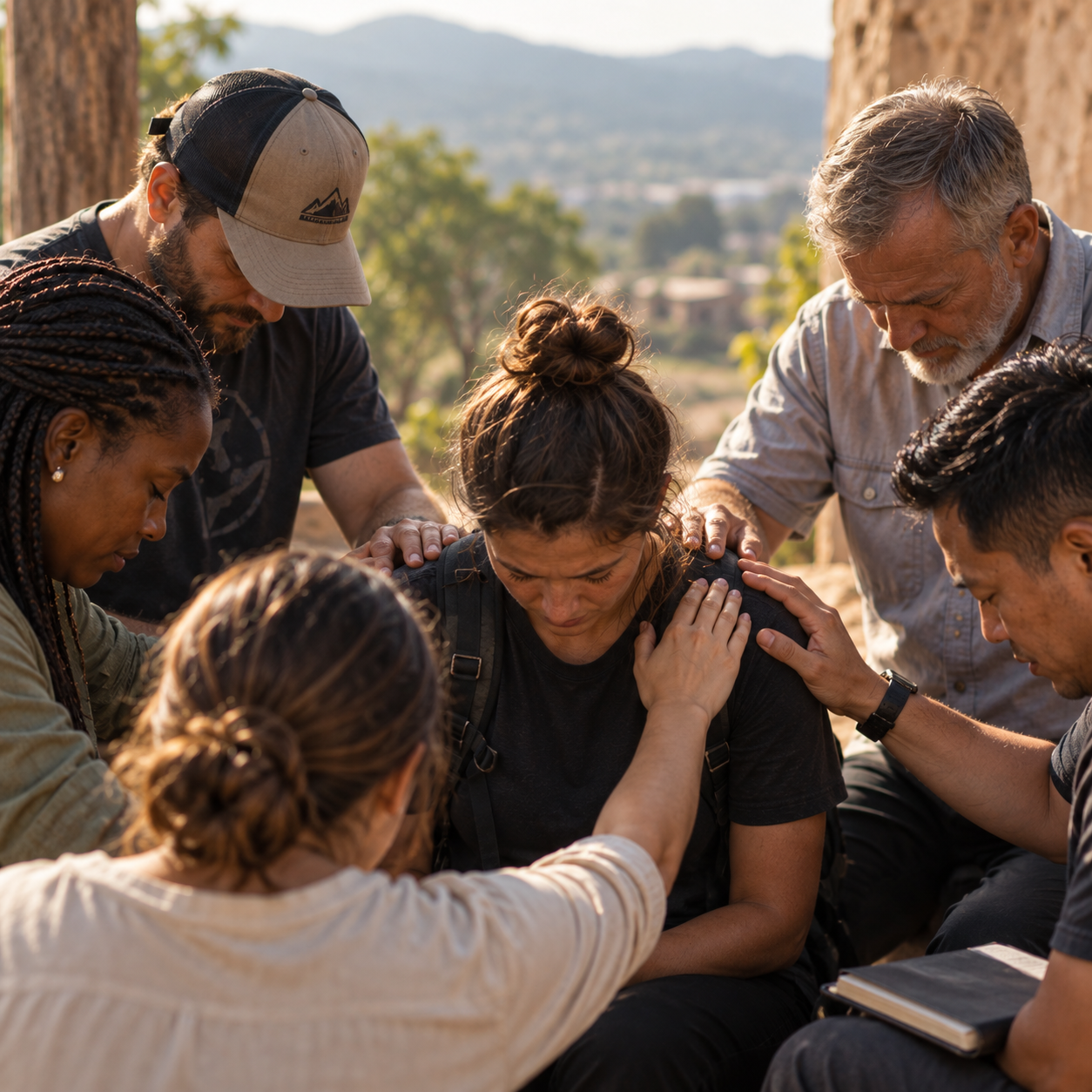
Missions was never meant to be a solo adventure. Invite your family, friends, small group, or church to discover what God is doing and join you in holding the rope.
Global
You’re on the front lines. We want to stand behind you. Join Hold the Rope to share your story, prayer needs, and ministry with people ready to pray and engage.

 Prayer
 Mission
 Research &
 Training &
 Videos &
 Missions
Evangelical mission in Montenegro is best understood through its own historical setting. modern evangelical churches developed mainly through Baptist, Pentecostal, and regional Balkan mission networks during and after the Yugoslav era; local leadership remains limited but increasingly important. The movement changed as local Christians moved from receiving ministry to leading churches, teaching Scripture, serving communities, and sometimes sending missionaries themselves.
Evangelical congregations in Montenegro remained very small during the era of socialist Yugoslavia.
Baptist, Pentecostal, and other Balkan free-church networks maintained scattered fellowships despite limited public visibility.
The breakup of Yugoslavia and Montenegro's later independence created a more open environment for small local churches.
Regional missionaries and Montenegrin believers developed humanitarian work, Bible distribution, and new congregations.
The evangelical movement remains tiny today, making leadership development and patient church planting especially important.
Be a part of what God is doing in Montenegro
PRAY ENGAGE GIVE GO


Download the App
Grab your rope

Hold the Rope makes every effort to publish and maintain accurate, up-to-date information. If you find an error, please email support@holdtherope.com with the page URL and the correction you recommend. Thank you for helping us keep HTR accurate and useful.