God Is at Work. You’re Invited Into the Story.
Around the world, God is moving through ordinary people who pray, give, go, and serve. Hold the Rope helps you discover the stories—and find your place in them. Read More
MISSIONS IN
God is moving in Croatia
Missions in Croatia are shaped by a European nation with strong Catholic cultural identity but a very small evangelical community, two unreached peoples, led by Bosniaks, and growing secularization among younger Croatians, and small Baptist, Pentecostal, Church of Christ, and other evangelical congregations that need leaders and new churches. 2 unreached people groups remain, representing about 25,700 people.
 3.9M
POPULATION
3.9M
POPULATION
 93.4%
CHRISTIANS
93.4%
CHRISTIANS
 99.3%
LITERACY
99.3%
LITERACY
 2
UNREACHED PEOPLE GROUPS
2
UNREACHED PEOPLE GROUPS
 Bosniak
LARGEST UNREACHED PEOPLE GROUP
Bosniak
LARGEST UNREACHED PEOPLE GROUP
 26K
UNREACHED POPULATION
26K
UNREACHED POPULATION
 Zagreb
CAPITAL CITY
Zagreb
CAPITAL CITY
 Zagreb
Split
Rijeka
LARGEST CITIES
Zagreb
Split
Rijeka
LARGEST CITIES
 Euro
CURRENCY
Euro
CURRENCY
 Mediterranean along the Adriatic coast and continental inland, with hot summers, cold winters, and.
CLIMATE
Mediterranean along the Adriatic coast and continental inland, with hot summers, cold winters, and.
CLIMATE
 Croatian
PRIMARY LANGUAGES
Croatian
PRIMARY LANGUAGES
 Islam
LARGEST UNREACHED RELIGION
Islam
LARGEST UNREACHED RELIGION
Around the world, God is moving through ordinary people who pray, give, go, and serve. Hold the Rope helps you discover the stories—and find your place in them. Read More
 Bible Translation
Croatian Scripture is readily available, but Bible engagement remains limited in a strongly traditional culture.
Bible Translation
Croatian Scripture is readily available, but Bible engagement remains limited in a strongly traditional culture.
 Church Planting
Because evangelical congregations are small, planting healthy churches outside major cities remains a strategic need.
Church Planting
Because evangelical congregations are small, planting healthy churches outside major cities remains a strategic need.
 Disaster Relief
Church planting remains urgent among Somali, coastal Muslim.
Disaster Relief
Church planting remains urgent among Somali, coastal Muslim.
 Education
Church planting remains urgent among Somali, coastal Muslim.
Education
Church planting remains urgent among Somali, coastal Muslim.
 Gospel Access
Two UPGs remain, with Bosniaks the largest, creating a focused opportunity for respectful Muslim-background outreach.
Gospel Access
Two UPGs remain, with Bosniaks the largest, creating a focused opportunity for respectful Muslim-background outreach.
 Human Trafficking
Church planting remains urgent among Somali, coastal Muslim.
Human Trafficking
Church planting remains urgent among Somali, coastal Muslim.
 Medical Missions
Church planting remains urgent among Somali, coastal Muslim.
Medical Missions
Church planting remains urgent among Somali, coastal Muslim.
 Orphans & Vulnerable Children
Church planting remains urgent among Somali, coastal Muslim.
Orphans & Vulnerable Children
Church planting remains urgent among Somali, coastal Muslim.
 Persecuted Church
Evangelicals worship legally, but their tiny minority status can bring misunderstanding or social isolation.
Persecuted Church
Evangelicals worship legally, but their tiny minority status can bring misunderstanding or social isolation.
 Poverty & Justice
Rural decline and uneven opportunity allow churches to serve elderly residents and families left behind by emigration.
Poverty & Justice
Rural decline and uneven opportunity allow churches to serve elderly residents and families left behind by emigration.
 Unreached People Groups
Millions still have little or no access to the gospel in their language and culture.
Unreached People Groups
Millions still have little or no access to the gospel in their language and culture.
Global
Around the world, God is moving through ordinary people who pray, give, go, and serve. Hold the Rope helps you discover the stories—and find your place in them.
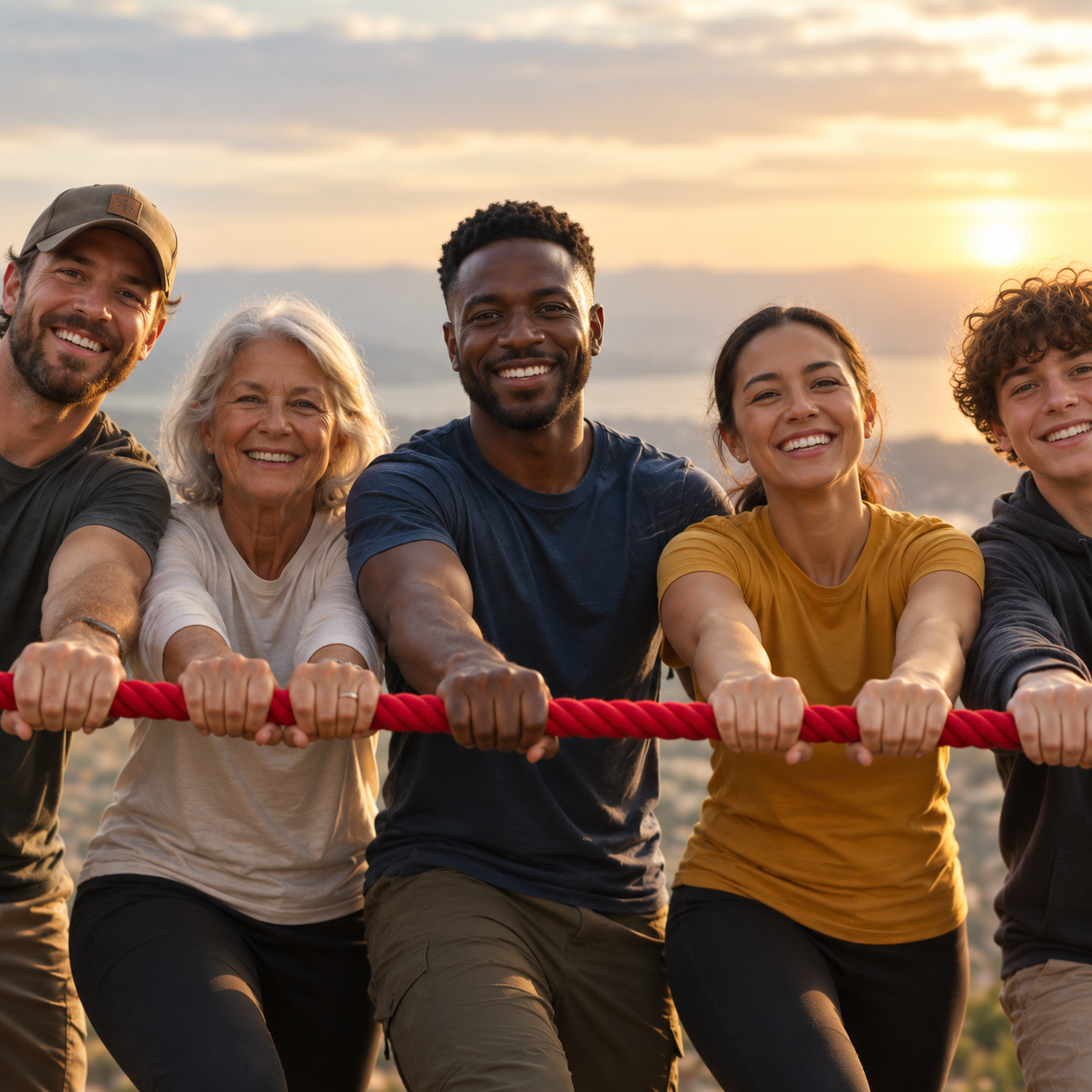
Global
Missions was never meant to be a solo adventure. Invite your family, friends, small group, or church to discover what God is doing and join you in holding the rope.
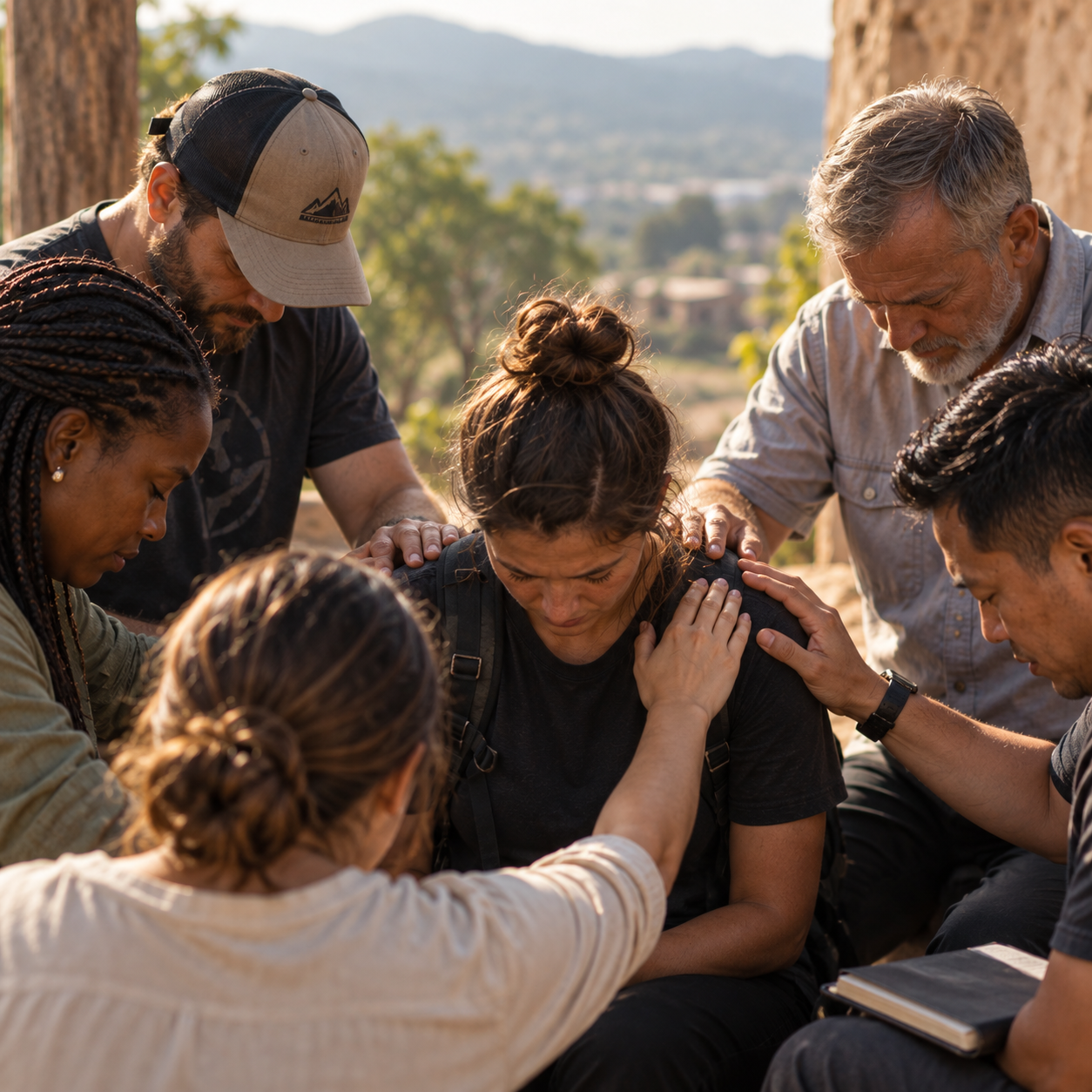
Global
You’re on the front lines. We want to stand behind you. Join Hold the Rope to share your story, prayer needs, and ministry with people ready to pray and engage.

 Prayer
 Mission
 Research &
 Training &
 Videos &
 Missions
Croatia’s evangelical missions story is closely tied to this history: evangelical movements developed under the Habsburg and Yugoslav eras; churches endured communist restrictions and expanded relief and reconciliation work during the 1990s wars. Over time, responsibility increasingly shifted toward local pastors, evangelists, teachers, and churches rather than remaining primarily in foreign hands. Political change, migration, conflict, or secularization reshaped the movement in different eras.
Baptist and other free-church communities developed in Croatian lands under the Habsburg and later Yugoslav political systems.
Evangelical congregations remained small through the 20th century and operated under restrictions during communist Yugoslavia.
After Yugoslavia fractured, churches served refugees and war-affected families during Croatia's 1990s conflict and transition.
Postwar ministries emphasized reconciliation, church planting, youth work, and training a limited pool of national leaders.
Croatian evangelicals today remain a tiny minority seeking to reach secular neighbors, Bosniaks, Roma, and younger generations.
Be a part of what God is doing in Croatia
PRAY ENGAGE GIVE GO


Download the App
Grab your rope

Hold the Rope makes every effort to publish and maintain accurate, up-to-date information. If you find an error, please email support@holdtherope.com with the page URL and the correction you recommend. Thank you for helping us keep HTR accurate and useful.