God Is at Work. You’re Invited Into the Story.
Around the world, God is moving through ordinary people who pray, give, go, and serve. Hold the Rope helps you discover the stories—and find your place in them. Read More
MISSIONS IN
God is moving in Romania
Understanding missions in Romania begins with one of Europe’s strongest evangelical populations, shaped by Baptist, Brethren, Pentecostal, and revival traditions under communism. 7 unreached people groups remain, representing about 66,400 people; Tatar is the largest listed community. Long-term fruit depends on biblically mature local leaders who can serve their own communities and cross remaining cultural barriers.
 19M
POPULATION
19M
POPULATION
 98.5%
CHRISTIANS
98.5%
CHRISTIANS
 98.8%
LITERACY
98.8%
LITERACY
 7
UNREACHED PEOPLE GROUPS
7
UNREACHED PEOPLE GROUPS
 Tatar
LARGEST UNREACHED PEOPLE GROUP
Tatar
LARGEST UNREACHED PEOPLE GROUP
 66K
UNREACHED POPULATION
66K
UNREACHED POPULATION
 Bucharest
CAPITAL CITY
Bucharest
CAPITAL CITY
 Bucharest
Cluj-Napoca
Iași
LARGEST CITIES
Bucharest
Cluj-Napoca
Iași
LARGEST CITIES
 Romanian
Leu
CURRENCY
Romanian
Leu
CURRENCY
 Temperate continental climate, with hot summers, cold snowy winters, rainfall, and Carpathian mountains.
CLIMATE
Temperate continental climate, with hot summers, cold snowy winters, rainfall, and Carpathian mountains.
CLIMATE
 Romanian
PRIMARY LANGUAGES
Romanian
PRIMARY LANGUAGES
 Islam
LARGEST UNREACHED RELIGION
Islam
LARGEST UNREACHED RELIGION
Around the world, God is moving through ordinary people who pray, give, go, and serve. Hold the Rope helps you discover the stories—and find your place in them. Read More
 Bible Translation
Romanian Scripture is abundant; the deeper need is strong teaching within one of Europe's largest evangelical movements.
Bible Translation
Romanian Scripture is abundant; the deeper need is strong teaching within one of Europe's largest evangelical movements.
 Church Planting
Church planting can expand beyond strongholds while developing leaders for Roma and secular communities.
Church Planting
Church planting can expand beyond strongholds while developing leaders for Roma and secular communities.
 Disaster Relief
Church planting remains urgent among Somali, coastal Muslim.
Disaster Relief
Church planting remains urgent among Somali, coastal Muslim.
 Education
Church planting remains urgent among Somali, coastal Muslim.
Education
Church planting remains urgent among Somali, coastal Muslim.
 Gospel Access
Romania has seven UPGs and about 66,400 unreached people; Tatars form the largest listed group.
Gospel Access
Romania has seven UPGs and about 66,400 unreached people; Tatars form the largest listed group.
 Human Trafficking
Church planting remains urgent among Somali, coastal Muslim.
Human Trafficking
Church planting remains urgent among Somali, coastal Muslim.
 Medical Missions
Church planting remains urgent among Somali, coastal Muslim.
Medical Missions
Church planting remains urgent among Somali, coastal Muslim.
 Orphans & Vulnerable Children
Church planting remains urgent among Somali, coastal Muslim.
Orphans & Vulnerable Children
Church planting remains urgent among Somali, coastal Muslim.
 Persecuted Church
Freedom is broad; corruption, shallow nominal faith, and leadership integrity are greater concerns.
Persecuted Church
Freedom is broad; corruption, shallow nominal faith, and leadership integrity are greater concerns.
 Poverty & Justice
Churches can serve Roma households and poor rural communities through locally led development and education.
Poverty & Justice
Churches can serve Roma households and poor rural communities through locally led development and education.
 Unreached People Groups
Millions still have little or no access to the gospel in their language and culture.
Unreached People Groups
Millions still have little or no access to the gospel in their language and culture.
Global
Around the world, God is moving through ordinary people who pray, give, go, and serve. Hold the Rope helps you discover the stories—and find your place in them.

Global
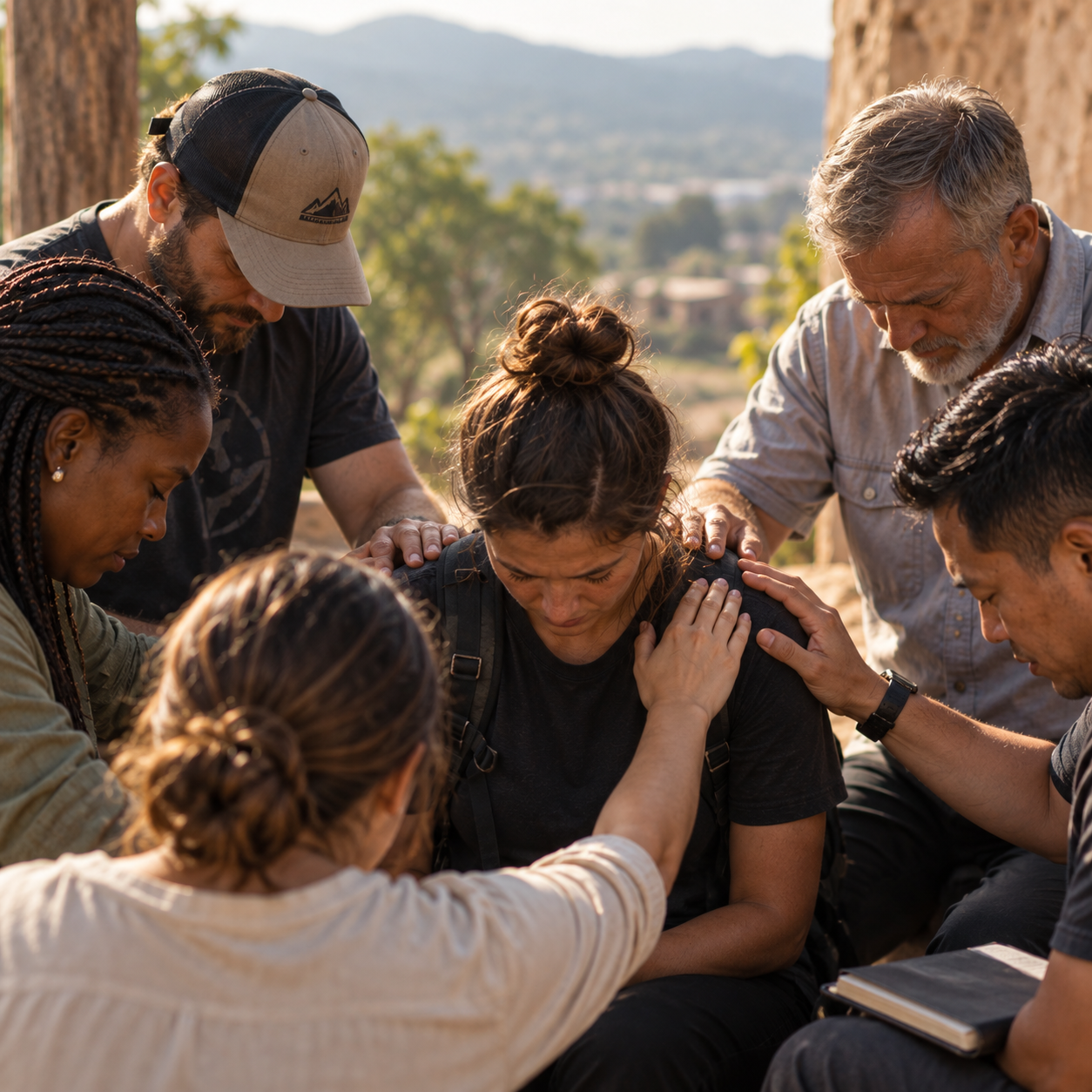
Missions was never meant to be a solo adventure. Invite your family, friends, small group, or church to discover what God is doing and join you in holding the rope.
Global
You’re on the front lines. We want to stand behind you. Join Hold the Rope to share your story, prayer needs, and ministry with people ready to pray and engage.

 Prayer
 Mission
 Research &
 Training &
 Videos &
 Missions
Baptist churches emerged in the 19th century, Brethren and Pentecostal movements followed, and believers endured communist surveillance before flourishing after 1989. That history now shapes how Romania’s churches understand local leadership, witness, and mission. The next chapter will be strongest when local churches disciple their own people and engage nominal Orthodox communities, Roma neighborhoods, and secular youth with biblical clarity and cultural wisdom.
Baptist churches emerged in the 19th century, Brethren and Pentecostal movements followed, and believers endured communist surveillance before flourishing after 1989.
Brethren and Pentecostal movements followed Romania's Baptist growth, later enduring surveillance under communist rule.
Romanian Baptists, Brethren, and Pentecostals developed strong national leadership despite decades of communist surveillance.
After 1989, Romania's evangelical churches gained freedom, expanded training, and grew more active in missions beyond the country.
Romania's large evangelical community now has unusual potential to strengthen Europe through missions, theology, and Roma ministry.

Be a part of what God is doing in Romania
PRAY ENGAGE GIVE GO


Download the App
Grab your rope

Hold the Rope makes every effort to publish and maintain accurate, up-to-date information. If you find an error, please email support@holdtherope.com with the page URL and the correction you recommend. Thank you for helping us keep HTR accurate and useful.