God Is at Work. You’re Invited Into the Story.
Around the world, God is moving through ordinary people who pray, give, go, and serve. Hold the Rope helps you discover the stories—and find your place in them. Read More
MISSIONS IN
God is moving in Belarus
Missions in Belarus serve a society shaped by Christian tradition, seven decades of Soviet atheism, and continuing state control of religious activity. There are six unreached people groups totaling about 70,000 people, but the broader challenge is spiritual renewal in a highly secularized culture. Belarus also has a deep Baptist and evangelical history.
 9M
POPULATION
9M
POPULATION
 79.4%
CHRISTIANS
79.4%
CHRISTIANS
 99.7%
LITERACY
99.7%
LITERACY
 6
UNREACHED PEOPLE GROUPS
6
UNREACHED PEOPLE GROUPS
 Jewish
Eastern Yiddish speaking
LARGEST UNREACHED PEOPLE GROUP
Jewish
Eastern Yiddish speaking
LARGEST UNREACHED PEOPLE GROUP
 36K
UNREACHED POPULATION
36K
UNREACHED POPULATION
 Minsk
CAPITAL CITY
Minsk
CAPITAL CITY
 Minsk
Gomel
Vitebsk
LARGEST CITIES
Minsk
Gomel
Vitebsk
LARGEST CITIES
 Belarusian
Ruble
CURRENCY
Belarusian
Ruble
CURRENCY
 Temperate continental climate, with cold snowy winters, mild to warm summers, and precipitation.
CLIMATE
Temperate continental climate, with cold snowy winters, mild to warm summers, and precipitation.
CLIMATE
 Belarusian
Russian
PRIMARY LANGUAGES
Belarusian
Russian
PRIMARY LANGUAGES
 Ethnic
LARGEST UNREACHED RELIGION
Ethnic
LARGEST UNREACHED RELIGION
Around the world, God is moving through ordinary people who pray, give, go, and serve. Hold the Rope helps you discover the stories—and find your place in them. Read More
 Bible Translation
Belarusian and Russian Scripture is available, but churches need freedom to teach it openly.
Bible Translation
Belarusian and Russian Scripture is available, but churches need freedom to teach it openly.
 Church Planting
Church planting requires legal wisdom, resilient leaders, and strong local congregations.
Church Planting
Church planting requires legal wisdom, resilient leaders, and strong local congregations.
 Disaster Relief
Church planting remains urgent among Somali, coastal Muslim.
Disaster Relief
Church planting remains urgent among Somali, coastal Muslim.
 Education
Church planting remains urgent among Somali, coastal Muslim.
Education
Church planting remains urgent among Somali, coastal Muslim.
 Gospel Access
Six UPGs total about 70,000 people, including Eastern Yiddish-speaking Jewish communities.
Gospel Access
Six UPGs total about 70,000 people, including Eastern Yiddish-speaking Jewish communities.
 Human Trafficking
Church planting remains urgent among Somali, coastal Muslim.
Human Trafficking
Church planting remains urgent among Somali, coastal Muslim.
 Medical Missions
Church planting remains urgent among Somali, coastal Muslim.
Medical Missions
Church planting remains urgent among Somali, coastal Muslim.
 Orphans & Vulnerable Children
Church planting remains urgent among Somali, coastal Muslim.
Orphans & Vulnerable Children
Church planting remains urgent among Somali, coastal Muslim.
 Persecuted Church
Evangelical churches face registration, literature, and outreach restrictions from the state.
Persecuted Church
Evangelical churches face registration, literature, and outreach restrictions from the state.
 Poverty & Justice
Churches can serve struggling families and migrants through dignifying, practical assistance.
Poverty & Justice
Churches can serve struggling families and migrants through dignifying, practical assistance.
 Unreached People Groups
Millions still have little or no access to the gospel in their language and culture.
Unreached People Groups
Millions still have little or no access to the gospel in their language and culture.
Global
Around the world, God is moving through ordinary people who pray, give, go, and serve. Hold the Rope helps you discover the stories—and find your place in them.

Global
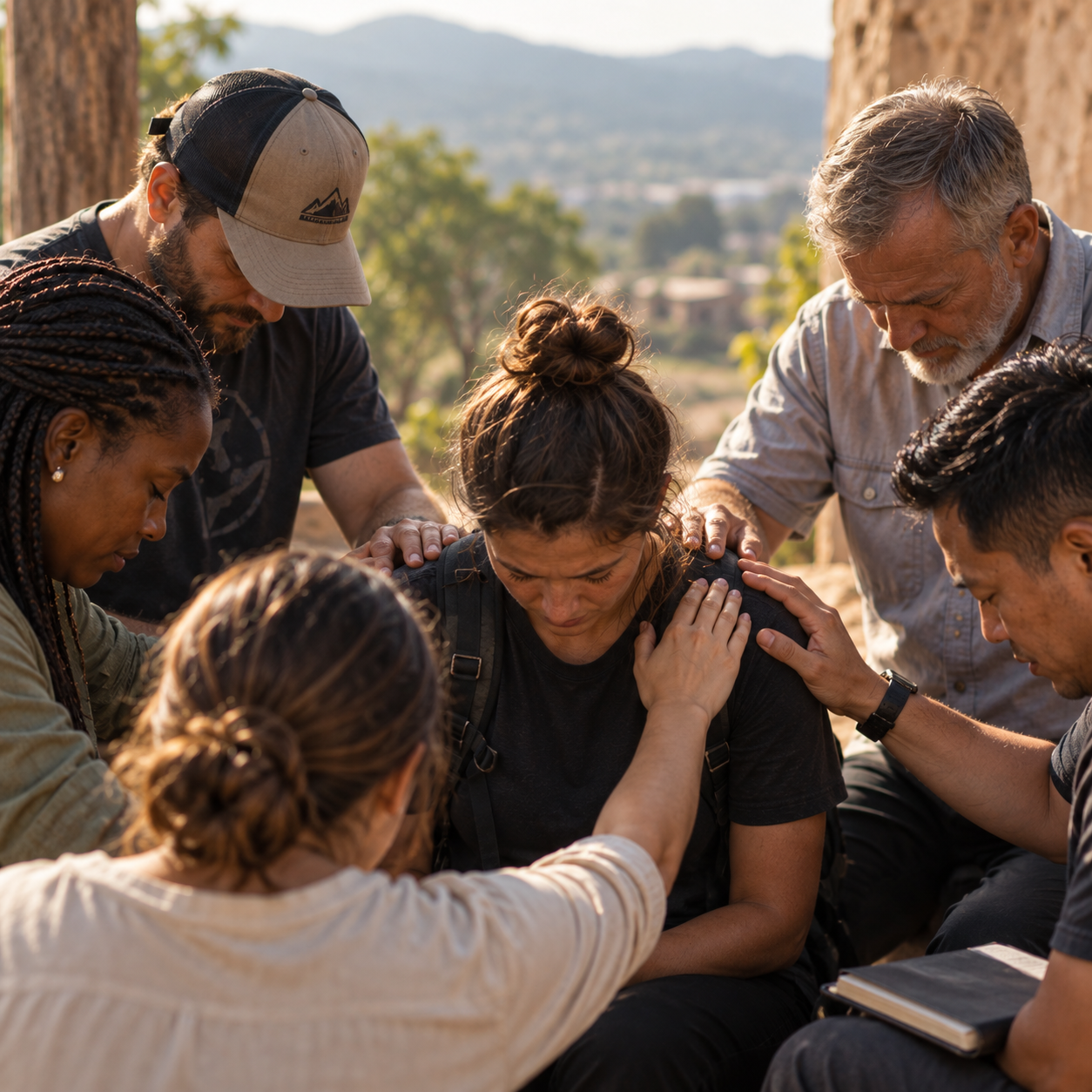
Missions was never meant to be a solo adventure. Invite your family, friends, small group, or church to discover what God is doing and join you in holding the rope.
Global
You’re on the front lines. We want to stand behind you. Join Hold the Rope to share your story, prayer needs, and ministry with people ready to pray and engage.

 Prayer
 Mission
 Research &
 Training &
 Videos &
 Missions
Belarus has centuries of evangelical presence, but its modern Baptist movement expanded especially from the late 19th century as migrants, refugees, and returning workers shared their faith. Soviet repression later brought arrests, church closures, and tight government control; by the late 1930s, organized Baptist life in eastern Belarus had been devastated. Congregations revived after World War II and grew rapidly after 1990. Today, Baptist, Pentecostal, and other evangelical churches remain active, but registration requirements and state pressure again constrain some forms of public ministry.
Evangelical and Baptist witness expanded in the late 1800s through migrants and returning believers.
Soviet repression imprisoned leaders and closed many churches, especially during the 1930s.
Believers rebuilt congregations after World War II within tightly controlled Soviet structures.
After 1990, evangelical congregations multiplied, including Baptist and Pentecostal churches.
Today, churches continue discipleship and witness under renewed registration and outreach pressure.

Be a part of what God is doing in Belarus
PRAY ENGAGE GIVE GO


Download the App
Grab your rope
Hold the Rope makes every effort to publish and maintain accurate, up-to-date information. If you find an error, please email support@holdtherope.com with the page URL and the correction you recommend. Thank you for helping us keep HTR accurate and useful.