God Is at Work. You’re Invited Into the Story.
Around the world, God is moving through ordinary people who pray, give, go, and serve. Hold the Rope helps you discover the stories—and find your place in them. Read More
MISSIONS IN
God is moving in Fiji
Fiji presents a distinctive missions landscape: a Pacific nation shaped by a powerful Methodist heritage, ethnic diversity, and a strategic location for island missions. One unreached people group remains, representing about 4,700 people. Effective ministry depends on mature local leadership, clear Scripture teaching, and patient relationships rather than imported programs that overlook local realities.
 931K
POPULATION
931K
POPULATION
 63.7%
CHRISTIANS
63.7%
CHRISTIANS
 93.2%
LITERACY
93.2%
LITERACY
 1
UNREACHED PEOPLE GROUPS
1
UNREACHED PEOPLE GROUPS
 Urdu
LARGEST UNREACHED PEOPLE GROUP
Urdu
LARGEST UNREACHED PEOPLE GROUP
 4.7K
UNREACHED POPULATION
4.7K
UNREACHED POPULATION
 Suva
CAPITAL CITY
Suva
CAPITAL CITY
 Suva
Lautoka
Nadi
LARGEST CITIES
Suva
Lautoka
Nadi
LARGEST CITIES
 Fijian
Dollar
CURRENCY
Fijian
Dollar
CURRENCY
 Tropical maritime climate, with warm humid weather, a wetter summer season, and significant cyclone.
CLIMATE
Tropical maritime climate, with warm humid weather, a wetter summer season, and significant cyclone.
CLIMATE
 English
Fijian
PRIMARY LANGUAGES
English
Fijian
PRIMARY LANGUAGES
 Islam
LARGEST UNREACHED RELIGION
Islam
LARGEST UNREACHED RELIGION
Around the world, God is moving through ordinary people who pray, give, go, and serve. Hold the Rope helps you discover the stories—and find your place in them. Read More
 Bible Translation
Fijian, Hindi, and English Scripture resources can serve the country's major ethnic communities.
Bible Translation
Fijian, Hindi, and English Scripture resources can serve the country's major ethnic communities.
 Church Planting
Church renewal should strengthen indigenous congregations while planting among mobile urban and Indo-Fijian communities.
Church Planting
Church renewal should strengthen indigenous congregations while planting among mobile urban and Indo-Fijian communities.
 Disaster Relief
Church planting remains urgent among Somali, coastal Muslim.
Disaster Relief
Church planting remains urgent among Somali, coastal Muslim.
 Education
Church planting remains urgent among Somali, coastal Muslim.
Education
Church planting remains urgent among Somali, coastal Muslim.
 Gospel Access
One UPG remains—about 4,700 Urdu speakers—creating a focused opportunity within an otherwise heavily churched nation.
Gospel Access
One UPG remains—about 4,700 Urdu speakers—creating a focused opportunity within an otherwise heavily churched nation.
 Human Trafficking
Church planting remains urgent among Somali, coastal Muslim.
Human Trafficking
Church planting remains urgent among Somali, coastal Muslim.
 Medical Missions
Church planting remains urgent among Somali, coastal Muslim.
Medical Missions
Church planting remains urgent among Somali, coastal Muslim.
 Orphans & Vulnerable Children
Church planting remains urgent among Somali, coastal Muslim.
Orphans & Vulnerable Children
Church planting remains urgent among Somali, coastal Muslim.
 Persecuted Church
Believers worship freely; ethnic reconciliation and biblical depth are more important concerns than persecution.
Persecuted Church
Believers worship freely; ethnic reconciliation and biblical depth are more important concerns than persecution.
 Poverty & Justice
Churches can strengthen rural livelihoods and help families recover economically after repeated cyclones.
Poverty & Justice
Churches can strengthen rural livelihoods and help families recover economically after repeated cyclones.
 Unreached People Groups
Millions still have little or no access to the gospel in their language and culture.
Unreached People Groups
Millions still have little or no access to the gospel in their language and culture.
Global
Around the world, God is moving through ordinary people who pray, give, go, and serve. Hold the Rope helps you discover the stories—and find your place in them.

Global
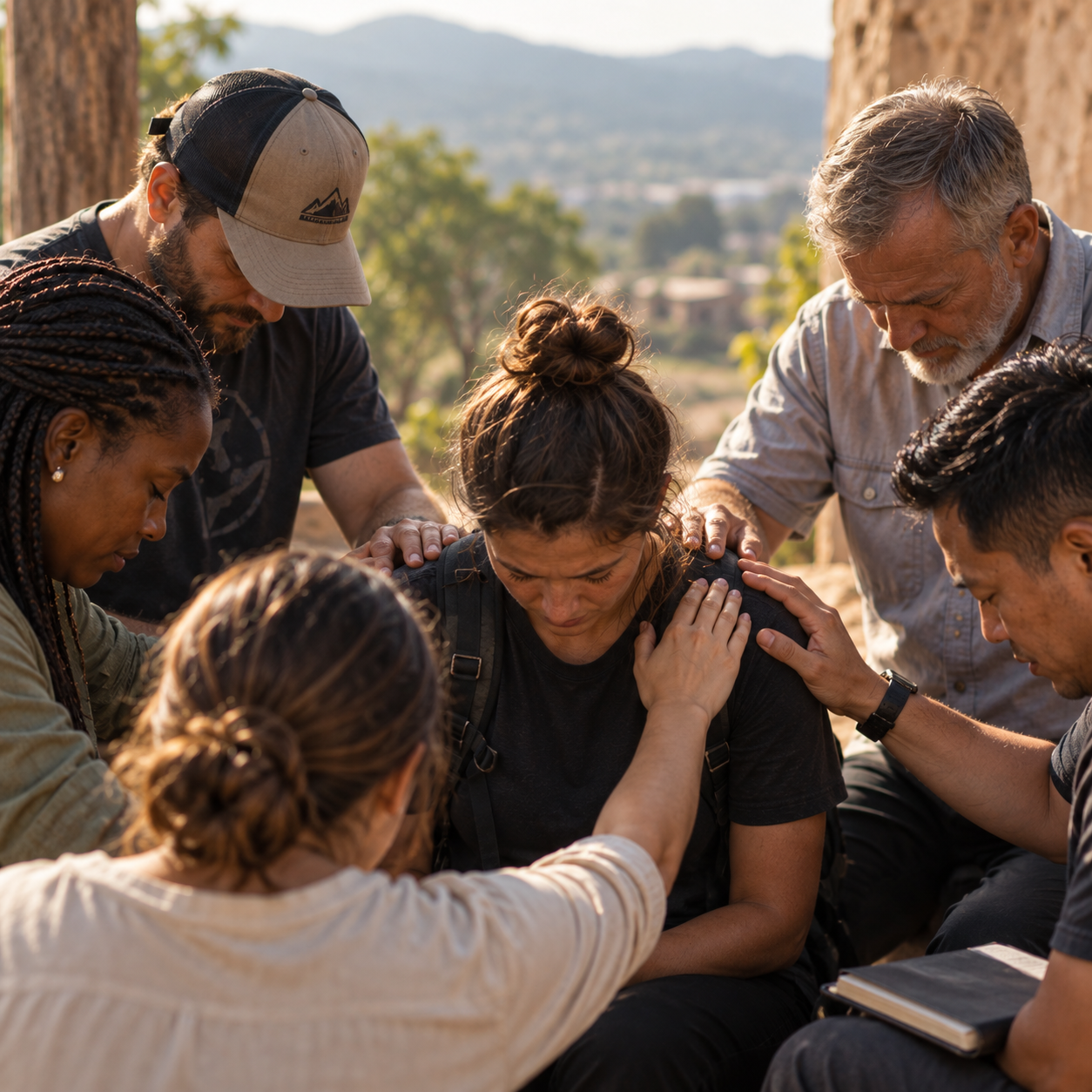
Missions was never meant to be a solo adventure. Invite your family, friends, small group, or church to discover what God is doing and join you in holding the rope.
Global
You’re on the front lines. We want to stand behind you. Join Hold the Rope to share your story, prayer needs, and ministry with people ready to pray and engage.

 Prayer
 Mission
 Research &
 Training &
 Videos &
 Missions
The modern evangelical story in Fiji developed through several important transitions. Wesleyan missionaries arrived in the 1830s, Fijian chiefs and local evangelists helped spread Christianity, and Fiji later became a major base for Pacific missionary sending and theological training. What began through outside mission initiatives increasingly became the work of national believers who built congregations, trained leaders, and adapted ministry to local realities.
Wesleyan missionaries arrived in Fiji in the 1830s and worked alongside Tongan Christians and emerging Fijian leaders.
Fijian chiefs and local evangelists helped Christianity spread rapidly through the islands during the 19th century.
Methodist churches became deeply embedded in indigenous society while Indo-Fijian communities developed distinct religious landscapes.
Fiji later became a regional center for theological education and Pacific Islanders increasingly served as missionaries themselves.
Fijian churches now combine a strong Christian heritage with cyclone response, ethnic reconciliation, and regional missionary sending.
Be a part of what God is doing in Fiji
PRAY ENGAGE GIVE GO


Download the App
Grab your rope

Hold the Rope makes every effort to publish and maintain accurate, up-to-date information. If you find an error, please email support@holdtherope.com with the page URL and the correction you recommend. Thank you for helping us keep HTR accurate and useful.