God Is at Work. You’re Invited Into the Story.
Around the world, God is moving through ordinary people who pray, give, go, and serve. Hold the Rope helps you discover the stories—and find your place in them. Read More
MISSIONS IN
God is moving in Sri Lanka
Sri Lanka presents a distinctive missions landscape shaped by a Buddhist-majority island with historic evangelical churches, ethnic divisions, and large Muslim and Hindu unreached populations. 64 unreached people groups remain, representing about 3,389,000 people; Tamil (Muslim traditions) is the largest listed community. Ministry must therefore be rooted in local churches that understand Buddhist Sinhalese, Hindu Tamils, and Muslim communities.
 23M
POPULATION
23M
POPULATION
 8.9%
CHRISTIANS
8.9%
CHRISTIANS
 92.6%
LITERACY
92.6%
LITERACY
 64
UNREACHED PEOPLE GROUPS
64
UNREACHED PEOPLE GROUPS
 Tamil
(Muslim
traditions)
LARGEST UNREACHED PEOPLE GROUP
Tamil
(Muslim
traditions)
LARGEST UNREACHED PEOPLE GROUP
 3.4M
UNREACHED POPULATION
3.4M
UNREACHED POPULATION
 Sri
Jayawardenepura
Kotte
CAPITAL CITY
Sri
Jayawardenepura
Kotte
CAPITAL CITY
 Colombo
Dehiwala-Mount Lavinia
Moratuwa
LARGEST CITIES
Colombo
Dehiwala-Mount Lavinia
Moratuwa
LARGEST CITIES
 Sri
Lankan
Rupee
CURRENCY
Sri
Lankan
Rupee
CURRENCY
 Tropical climate, with warm humid lowlands, cooler central highlands, and rain shaped by two seasonal.
CLIMATE
Tropical climate, with warm humid lowlands, cooler central highlands, and rain shaped by two seasonal.
CLIMATE
 Sinhala
Tamil
PRIMARY LANGUAGES
Sinhala
Tamil
PRIMARY LANGUAGES
 Islam
LARGEST UNREACHED RELIGION
Islam
LARGEST UNREACHED RELIGION
Around the world, God is moving through ordinary people who pray, give, go, and serve. Hold the Rope helps you discover the stories—and find your place in them. Read More
 Bible Translation
Sinhala Scripture can equip Sri Lanka's believers for ministry among Buddhist Sinhalese, Hindu Tamils.
Bible Translation
Sinhala Scripture can equip Sri Lanka's believers for ministry among Buddhist Sinhalese, Hindu Tamils.
 Church Planting
Training pastors outside Sri Jayawardenepura Kotte can extend healthy churches toward Buddhist Sinhalese, Hindu Tamils.
Church Planting
Training pastors outside Sri Jayawardenepura Kotte can extend healthy churches toward Buddhist Sinhalese, Hindu Tamils.
 Disaster Relief
Church planting remains urgent among Somali, coastal Muslim.
Disaster Relief
Church planting remains urgent among Somali, coastal Muslim.
 Education
Church planting remains urgent among Somali, coastal Muslim.
Education
Church planting remains urgent among Somali, coastal Muslim.
 Gospel Access
About 3,389,000 unreached people span Sri Lanka's 64 UPGs, led by Tamil (Muslim traditions).
Gospel Access
About 3,389,000 unreached people span Sri Lanka's 64 UPGs, led by Tamil (Muslim traditions).
 Human Trafficking
Church planting remains urgent among Somali, coastal Muslim.
Human Trafficking
Church planting remains urgent among Somali, coastal Muslim.
 Medical Missions
Church planting remains urgent among Somali, coastal Muslim.
Medical Missions
Church planting remains urgent among Somali, coastal Muslim.
 Orphans & Vulnerable Children
Church planting remains urgent among Somali, coastal Muslim.
Orphans & Vulnerable Children
Church planting remains urgent among Somali, coastal Muslim.
 Persecuted Church
Believers in Sri Lanka need wisdom because churches are legal.
Persecuted Church
Believers in Sri Lanka need wisdom because churches are legal.
 Poverty & Justice
Practical compassion can help estate communities build household resilience in Sri Lanka.
Poverty & Justice
Practical compassion can help estate communities build household resilience in Sri Lanka.
 Unreached People Groups
Millions still have little or no access to the gospel in their language and culture.
Unreached People Groups
Millions still have little or no access to the gospel in their language and culture.
Global
Around the world, God is moving through ordinary people who pray, give, go, and serve. Hold the Rope helps you discover the stories—and find your place in them.

Global
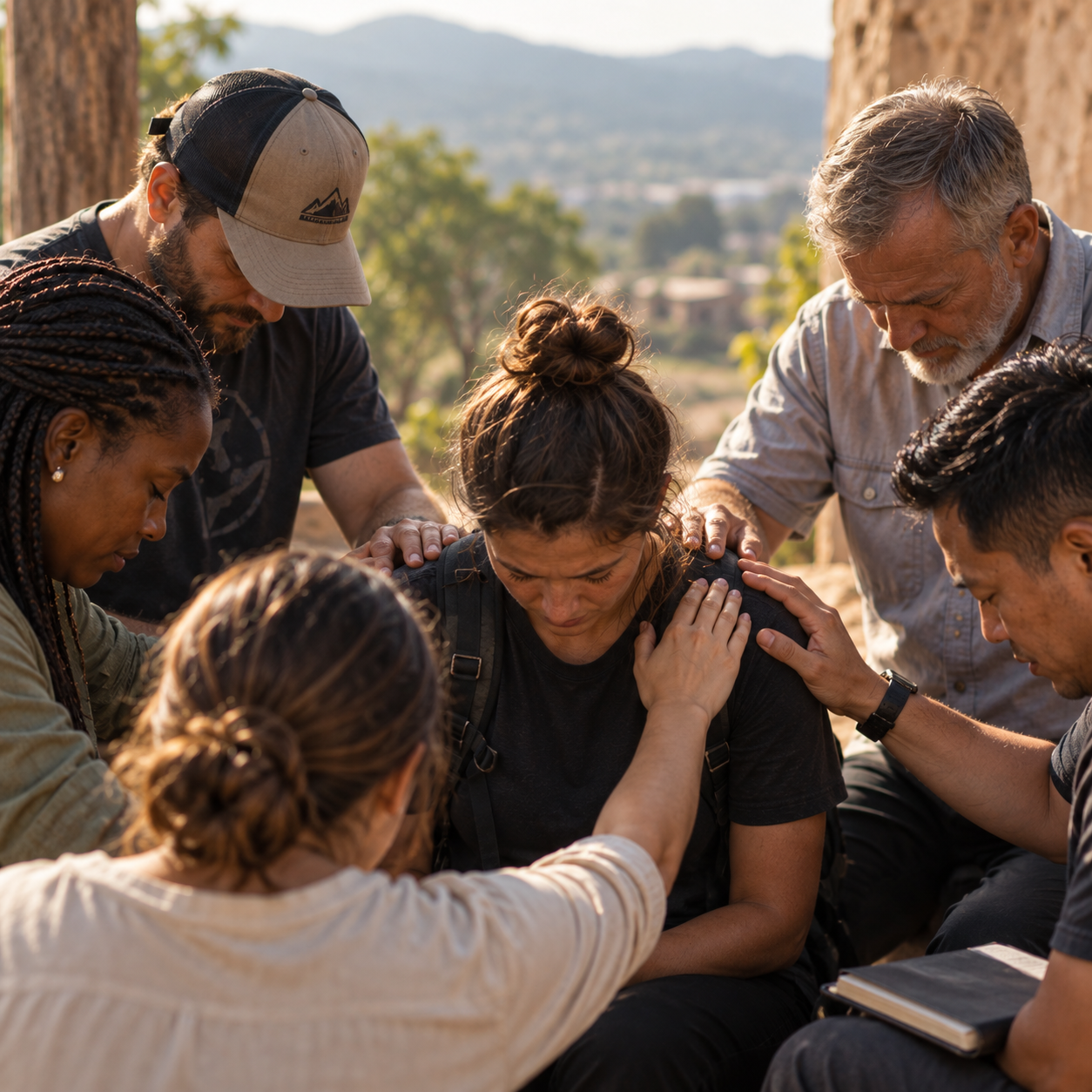
Missions was never meant to be a solo adventure. Invite your family, friends, small group, or church to discover what God is doing and join you in holding the rope.
Global
You’re on the front lines. We want to stand behind you. Join Hold the Rope to share your story, prayer needs, and ministry with people ready to pray and engage.

 Prayer
 Mission
 Research &
 Training &
 Videos &
 Missions
Baptist missionary James Chater arrived in 1812; Methodist, Anglican, and other missions followed, developing schools, translation, and churches among Sinhala and Tamil communities. The movement’s lasting strength has come as national pastors and believers assumed greater responsibility for ministry. The next chapter will be strongest when local churches disciple their own people and engage Buddhist Sinhalese, Hindu Tamils, and Muslim communities with biblical clarity and cultural wisdom.
Baptist missionary James Chater arrived in 1812.
Methodist, Anglican, and other missions followed, developing schools, translation, and churches among Sinhala and Tamil communities.
In Sri Lanka, leadership now has to emerge from a church shaped by a Buddhist-majority island with historic evangelical churches, ethnic divisions, and large Muslim and Hindu unreached populations; national pastors and lay believers are best positioned to disciple Buddhist Sinhalese, Hindu Tamils, and Muslim communities.
Contemporary ministry in Sri Lanka now intersects with estate communities and families hurt by economic instability and estate workers, rural villages, and conflict-affected communities. Churches also need practical readiness for floods, landslides, drought, and coastal storms.
Churches in Sri Lanka must reach Tamil (Muslim traditions) within a frontier of about 3,389,000 people while also serving estate communities and families hurt by economic instability amid churches are legal, but converts can face harassment and local social pressure.

Be a part of what God is doing in Sri Lanka
PRAY ENGAGE GIVE GO


Download the App
Grab your rope

Hold the Rope makes every effort to publish and maintain accurate, up-to-date information. If you find an error, please email support@holdtherope.com with the page URL and the correction you recommend. Thank you for helping us keep HTR accurate and useful.