God Is at Work. You’re Invited Into the Story.
Around the world, God is moving through ordinary people who pray, give, go, and serve. Hold the Rope helps you discover the stories—and find your place in them. Read More
MISSIONS IN
God is moving in Togo
Togo’s missions landscape is religiously mixed: strong churches in the south, Muslim communities in the north, and widespread traditional religious practice. Eight unreached people groups represent about 677,400 people, with Kotokoli the largest listed community. Togolese leaders can build on a long mission heritage through northern church planting, Bible training, rural service, and culturally wise evangelism.
 9.6M
POPULATION
9.6M
POPULATION
 48.8%
CHRISTIANS
48.8%
CHRISTIANS
 63.7%
LITERACY
63.7%
LITERACY
 8
UNREACHED PEOPLE GROUPS
8
UNREACHED PEOPLE GROUPS
 Kotokoli
LARGEST UNREACHED PEOPLE GROUP
Kotokoli
LARGEST UNREACHED PEOPLE GROUP
 677K
UNREACHED POPULATION
677K
UNREACHED POPULATION
 Lomé
CAPITAL CITY
Lomé
CAPITAL CITY
 Lomé
Sokodé
Kara
LARGEST CITIES
Lomé
Sokodé
Kara
LARGEST CITIES
 West African CFA Franc
CURRENCY
West African CFA Franc
CURRENCY
 Tropical climate, with humid southern coast, drier northern savanna, seasonal rains, and hotter.
CLIMATE
Tropical climate, with humid southern coast, drier northern savanna, seasonal rains, and hotter.
CLIMATE
 French
Ewe
PRIMARY LANGUAGES
French
Ewe
PRIMARY LANGUAGES
 Islam
LARGEST UNREACHED RELIGION
Islam
LARGEST UNREACHED RELIGION
Around the world, God is moving through ordinary people who pray, give, go, and serve. Hold the Rope helps you discover the stories—and find your place in them. Read More
 Bible Translation
Togo's churches can use French Scripture to serve Kotokoli, northern Muslim peoples with biblical clarity.
Bible Translation
Togo's churches can use French Scripture to serve Kotokoli, northern Muslim peoples with biblical clarity.
 Church Planting
Local ownership must shape church multiplication among Kotokoli, northern Muslim peoples in Togo.
Church Planting
Local ownership must shape church multiplication among Kotokoli, northern Muslim peoples in Togo.
 Disaster Relief
Church planting remains urgent among Somali, coastal Muslim.
Disaster Relief
Church planting remains urgent among Somali, coastal Muslim.
 Education
Church planting remains urgent among Somali, coastal Muslim.
Education
Church planting remains urgent among Somali, coastal Muslim.
 Gospel Access
Togo's 8 UPGs total about 677,400 people; Kotokoli is the largest.
Gospel Access
Togo's 8 UPGs total about 677,400 people; Kotokoli is the largest.
 Human Trafficking
Church planting remains urgent among Somali, coastal Muslim.
Human Trafficking
Church planting remains urgent among Somali, coastal Muslim.
 Medical Missions
Church planting remains urgent among Somali, coastal Muslim.
Medical Missions
Church planting remains urgent among Somali, coastal Muslim.
 Orphans & Vulnerable Children
Church planting remains urgent among Somali, coastal Muslim.
Orphans & Vulnerable Children
Church planting remains urgent among Somali, coastal Muslim.
 Persecuted Church
Prayer for Togo should reflect this reality: freedom is generally broad.
Persecuted Church
Prayer for Togo should reflect this reality: freedom is generally broad.
 Poverty & Justice
Justice ministry in Togo can serve small farmers and low-income urban without creating dependency.
Poverty & Justice
Justice ministry in Togo can serve small farmers and low-income urban without creating dependency.
 Unreached People Groups
Millions still have little or no access to the gospel in their language and culture.
Unreached People Groups
Millions still have little or no access to the gospel in their language and culture.
Global
Around the world, God is moving through ordinary people who pray, give, go, and serve. Hold the Rope helps you discover the stories—and find your place in them.

Global
Missions was never meant to be a solo adventure. Invite your family, friends, small group, or church to discover what God is doing and join you in holding the rope.
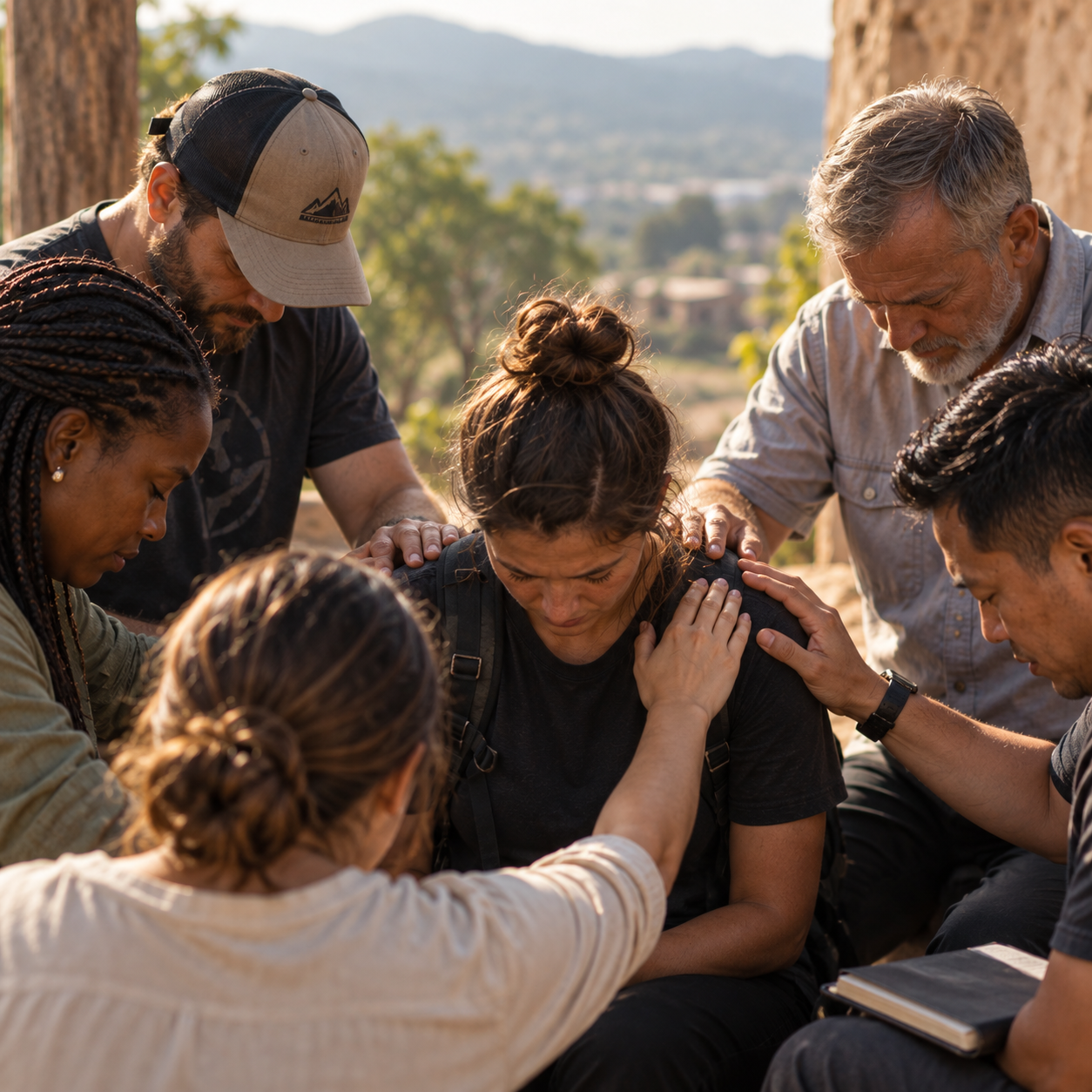
Global
You’re on the front lines. We want to stand behind you. Join Hold the Rope to share your story, prayer needs, and ministry with people ready to pray and engage.

 Prayer
 Mission
 Research &
 Training &
 Videos &
 Missions
German Bremen Mission, Methodist, Baptist, and other evangelical workers planted churches and schools from the 19th century; Togolese leaders later expanded Pentecostal and evangelical movements nationally. The movement’s lasting strength has come as national pastors and believers assumed greater responsibility for ministry. That history matters because today’s churches must serve Kotokoli, northern Muslim peoples, and communities shaped by traditional religion with greater local ownership.
German Bremen Mission, Methodist, Baptist, and other evangelical workers planted churches and schools from the 19th century.
Togolese leaders later expanded Pentecostal and evangelical movements nationally.
In Togo, leadership now has to emerge from a church shaped by a religiously mixed West African nation with strong southern churches, Muslim northern communities, and continuing traditional religion; national pastors and lay believers are best positioned to disciple Kotokoli, northern Muslim peoples, and communities shaped by traditional religion.
Contemporary ministry in Togo now intersects with small farmers and low-income urban households and rural northern communities with limited care. Churches also need practical readiness for floods, drought, and food insecurity.
Togo's unfinished task includes Kotokoli, 8 UPGs, and about 677,400 unreached people, all within a setting where freedom is generally broad, though syncretism and local family pressure can complicate conversion.
Be a part of what God is doing in Togo
PRAY ENGAGE GIVE GO


Download the App
Grab your rope

Hold the Rope makes every effort to publish and maintain accurate, up-to-date information. If you find an error, please email support@holdtherope.com with the page URL and the correction you recommend. Thank you for helping us keep HTR accurate and useful.