God Is at Work. You’re Invited Into the Story.
Around the world, God is moving through ordinary people who pray, give, go, and serve. Hold the Rope helps you discover the stories—and find your place in them. Read More
MISSIONS IN
God is moving in Sierra Leone
Sierra Leone combines an unusually rich Christian history with a Muslim-majority population and deep postwar social needs. Ten unreached people groups represent about 1.61 million people, with Kuranko the largest listed community. The strongest missions opportunities join Krio-speaking local witness, rural church leadership, community health, education, and long-term recovery from poverty and conflict.
 8.7M
POPULATION
8.7M
POPULATION
 12.1%
CHRISTIANS
12.1%
CHRISTIANS
 48.1%
LITERACY
48.1%
LITERACY
 10
UNREACHED PEOPLE GROUPS
10
UNREACHED PEOPLE GROUPS
 Kuranko
LARGEST UNREACHED PEOPLE GROUP
Kuranko
LARGEST UNREACHED PEOPLE GROUP
 1.6M
UNREACHED POPULATION
1.6M
UNREACHED POPULATION
 Freetown
CAPITAL CITY
Freetown
CAPITAL CITY
 Freetown
Bo
Kenema
LARGEST CITIES
Freetown
Bo
Kenema
LARGEST CITIES
 Sierra
Leonean
Leone
CURRENCY
Sierra
Leonean
Leone
CURRENCY
 Tropical climate, with a long rainy season, hot humid coast, drier interior months, and heavy downpours.
CLIMATE
Tropical climate, with a long rainy season, hot humid coast, drier interior months, and heavy downpours.
CLIMATE
 English
Krio
PRIMARY LANGUAGES
English
Krio
PRIMARY LANGUAGES
 Ethnic
LARGEST UNREACHED RELIGION
Ethnic
LARGEST UNREACHED RELIGION
Around the world, God is moving through ordinary people who pray, give, go, and serve. Hold the Rope helps you discover the stories—and find your place in them. Read More
 Bible Translation
Sierra Leone's churches can use English Scripture to serve Muslim-majority communities through with biblical clarity.
Bible Translation
Sierra Leone's churches can use English Scripture to serve Muslim-majority communities through with biblical clarity.
 Church Planting
Sierra Leone needs pastors able to plant healthy churches among Muslim-majority communities.
Church Planting
Sierra Leone needs pastors able to plant healthy churches among Muslim-majority communities.
 Disaster Relief
Church planting remains urgent among Somali, coastal Muslim.
Disaster Relief
Church planting remains urgent among Somali, coastal Muslim.
 Education
Church planting remains urgent among Somali, coastal Muslim.
Education
Church planting remains urgent among Somali, coastal Muslim.
 Gospel Access
Among Sierra Leone's 10 UPGs, Kuranko is largest; the total unreached population is about 1,609,800.
Gospel Access
Among Sierra Leone's 10 UPGs, Kuranko is largest; the total unreached population is about 1,609,800.
 Human Trafficking
Church planting remains urgent among Somali, coastal Muslim.
Human Trafficking
Church planting remains urgent among Somali, coastal Muslim.
 Medical Missions
Church planting remains urgent among Somali, coastal Muslim.
Medical Missions
Church planting remains urgent among Somali, coastal Muslim.
 Orphans & Vulnerable Children
Church planting remains urgent among Somali, coastal Muslim.
Orphans & Vulnerable Children
Church planting remains urgent among Somali, coastal Muslim.
 Persecuted Church
Prayer for Sierra Leone should reflect this reality: religious coexistence is strong.
Persecuted Church
Prayer for Sierra Leone should reflect this reality: religious coexistence is strong.
 Poverty & Justice
Churches can serve war-affected and rural families through livelihoods, education, and practical support.
Poverty & Justice
Churches can serve war-affected and rural families through livelihoods, education, and practical support.
 Unreached People Groups
Millions still have little or no access to the gospel in their language and culture.
Unreached People Groups
Millions still have little or no access to the gospel in their language and culture.
Global
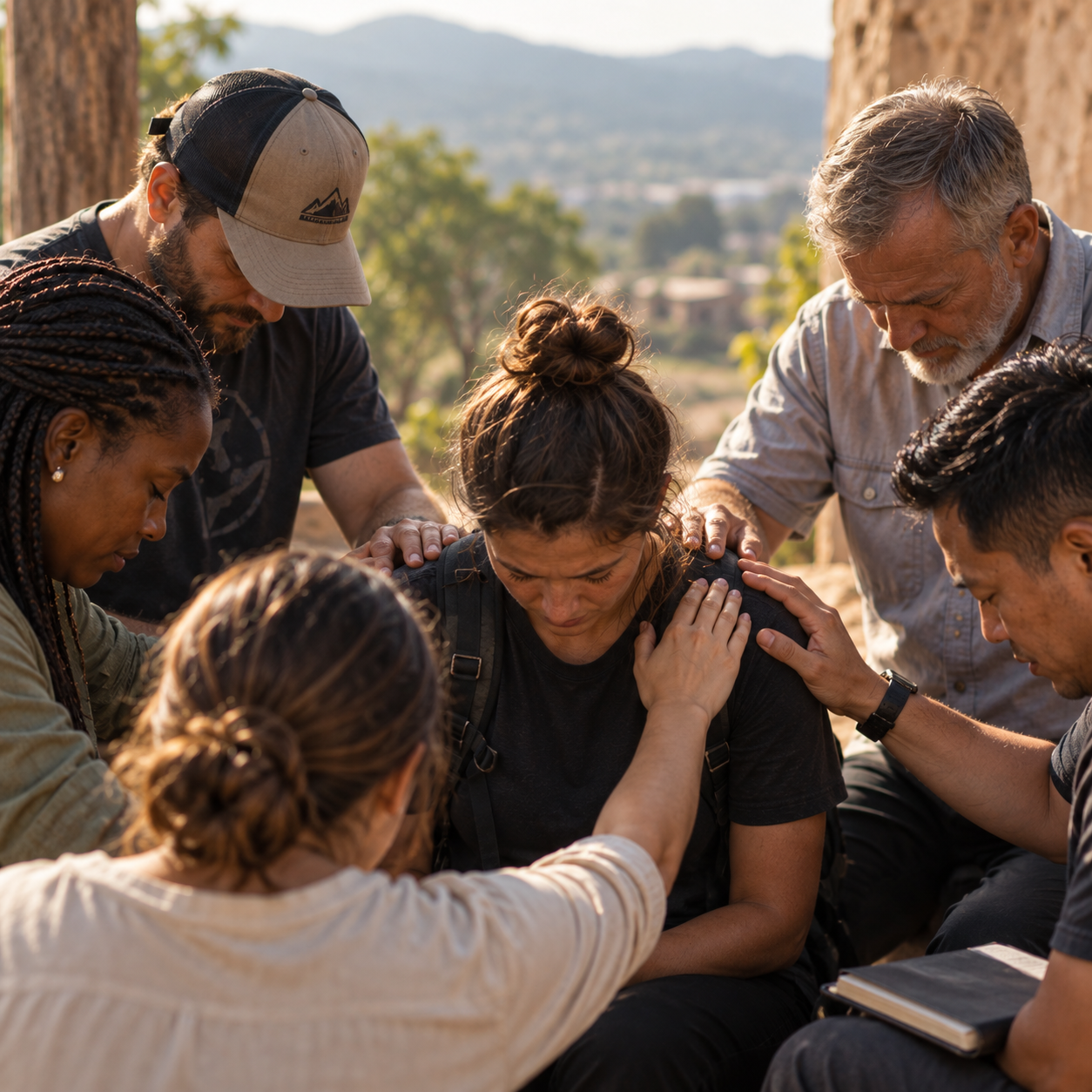
Around the world, God is moving through ordinary people who pray, give, go, and serve. Hold the Rope helps you discover the stories—and find your place in them.
Global
Missions was never meant to be a solo adventure. Invite your family, friends, small group, or church to discover what God is doing and join you in holding the rope.
Global
You’re on the front lines. We want to stand behind you. Join Hold the Rope to share your story, prayer needs, and ministry with people ready to pray and engage.

 Prayer
 Mission
 Research &
 Training &
 Videos &
 Missions
Freetown became an early West African Christian and educational center, and Church Missionary Society-trained Africans carried the Gospel widely; later evangelical and Pentecostal movements expanded inland. That history now shapes how Sierra Leone’s churches understand local leadership, witness, and mission. That history matters because today’s churches must serve Muslim-majority communities through Krio-speaking local believers with greater local ownership.
Freetown became an early West African Christian and educational center, and Church Missionary Society-trained Africans carried the Gospel widely.
later evangelical and Pentecostal movements expanded inland.
In Sierra Leone, leadership now has to emerge from a church shaped by a nation founded partly as a settlement for freed slaves, with historic churches, a Muslim majority, and deep postwar social needs; national pastors and lay believers are best positioned to disciple Muslim-majority communities through Krio-speaking local believers.
Contemporary ministry in Sierra Leone now intersects with war-affected and rural families facing persistent poverty and rural districts with weak medical infrastructure. Churches also need practical readiness for floods, landslides, epidemics, and food insecurity.
Churches in Sierra Leone must reach Kuranko within a frontier of about 1,609,800 people while also serving war-affected and rural families facing persistent poverty amid religious coexistence is strong, though converts may still face local family pressure.
Be a part of what God is doing in Sierra Leone
PRAY ENGAGE GIVE GO


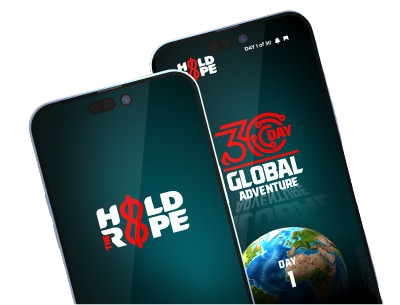
Download the App
Grab your rope
Hold the Rope makes every effort to publish and maintain accurate, up-to-date information. If you find an error, please email support@holdtherope.com with the page URL and the correction you recommend. Thank you for helping us keep HTR accurate and useful.