God Is at Work. You’re Invited Into the Story.
Around the world, God is moving through ordinary people who pray, give, go, and serve. Hold the Rope helps you discover the stories—and find your place in them. Read More
MISSIONS IN
God is moving in South Africa
For the church in South Africa, the defining missions context is one of Africa’s largest and most diverse church landscapes, shaped by mission history, apartheid, revival, inequality, and global sending. 8 unreached people groups remain, representing about 991,500 people; Hindi is the largest listed community. Long-term fruit depends on biblically mature local leaders who can serve their own communities and cross remaining cultural barriers.
 64M
POPULATION
64M
POPULATION
 81.6%
CHRISTIANS
81.6%
CHRISTIANS
 94.4%
LITERACY
94.4%
LITERACY
 8
UNREACHED PEOPLE GROUPS
8
UNREACHED PEOPLE GROUPS
 Hindi
LARGEST UNREACHED PEOPLE GROUP
Hindi
LARGEST UNREACHED PEOPLE GROUP
 992K
UNREACHED POPULATION
992K
UNREACHED POPULATION
 Pretoria
CAPITAL CITY
Pretoria
CAPITAL CITY
 Johannesburg
Cape Town
Durban
LARGEST CITIES
Johannesburg
Cape Town
Durban
LARGEST CITIES
 South
African
Rand
CURRENCY
South
African
Rand
CURRENCY
 Highly varied climate, from Mediterranean southwest to subtropical east and dry interior plateau.
CLIMATE
Highly varied climate, from Mediterranean southwest to subtropical east and dry interior plateau.
CLIMATE
 English
Zulu
PRIMARY LANGUAGES
English
Zulu
PRIMARY LANGUAGES
 Hinduism
LARGEST UNREACHED RELIGION
Hinduism
LARGEST UNREACHED RELIGION
Around the world, God is moving through ordinary people who pray, give, go, and serve. Hold the Rope helps you discover the stories—and find your place in them. Read More
 Bible Translation
Bible ministry in South Africa should make English Scripture meaningful for nominal Christians, Muslims, Hindus.
Bible Translation
Bible ministry in South Africa should make English Scripture meaningful for nominal Christians, Muslims, Hindus.
 Church Planting
South Africa needs local pastors able to build durable churches among nominal Christians, Muslims, Hindus.
Church Planting
South Africa needs local pastors able to build durable churches among nominal Christians, Muslims, Hindus.
 Disaster Relief
Church planting remains urgent among Somali, coastal Muslim.
Disaster Relief
Church planting remains urgent among Somali, coastal Muslim.
 Education
Church planting remains urgent among Somali, coastal Muslim.
Education
Church planting remains urgent among Somali, coastal Muslim.
 Gospel Access
South Africa has eight UPGs and about 991,500 unreached people; Hindi speakers are the largest listed group.
Gospel Access
South Africa has eight UPGs and about 991,500 unreached people; Hindi speakers are the largest listed group.
 Human Trafficking
Church planting remains urgent among Somali, coastal Muslim.
Human Trafficking
Church planting remains urgent among Somali, coastal Muslim.
 Medical Missions
Church planting remains urgent among Somali, coastal Muslim.
Medical Missions
Church planting remains urgent among Somali, coastal Muslim.
 Orphans & Vulnerable Children
Church planting remains urgent among Somali, coastal Muslim.
Orphans & Vulnerable Children
Church planting remains urgent among Somali, coastal Muslim.
 Persecuted Church
Believers in South Africa need wisdom because freedom is strong, but xenophobia, inequality.
Persecuted Church
Believers in South Africa need wisdom because freedom is strong, but xenophobia, inequality.
 Poverty & Justice
South African churches can strengthen townships and farm-worker families through locally led support.
Poverty & Justice
South African churches can strengthen townships and farm-worker families through locally led support.
 Unreached People Groups
Millions still have little or no access to the gospel in their language and culture.
Unreached People Groups
Millions still have little or no access to the gospel in their language and culture.
Global
Around the world, God is moving through ordinary people who pray, give, go, and serve. Hold the Rope helps you discover the stories—and find your place in them.
Global
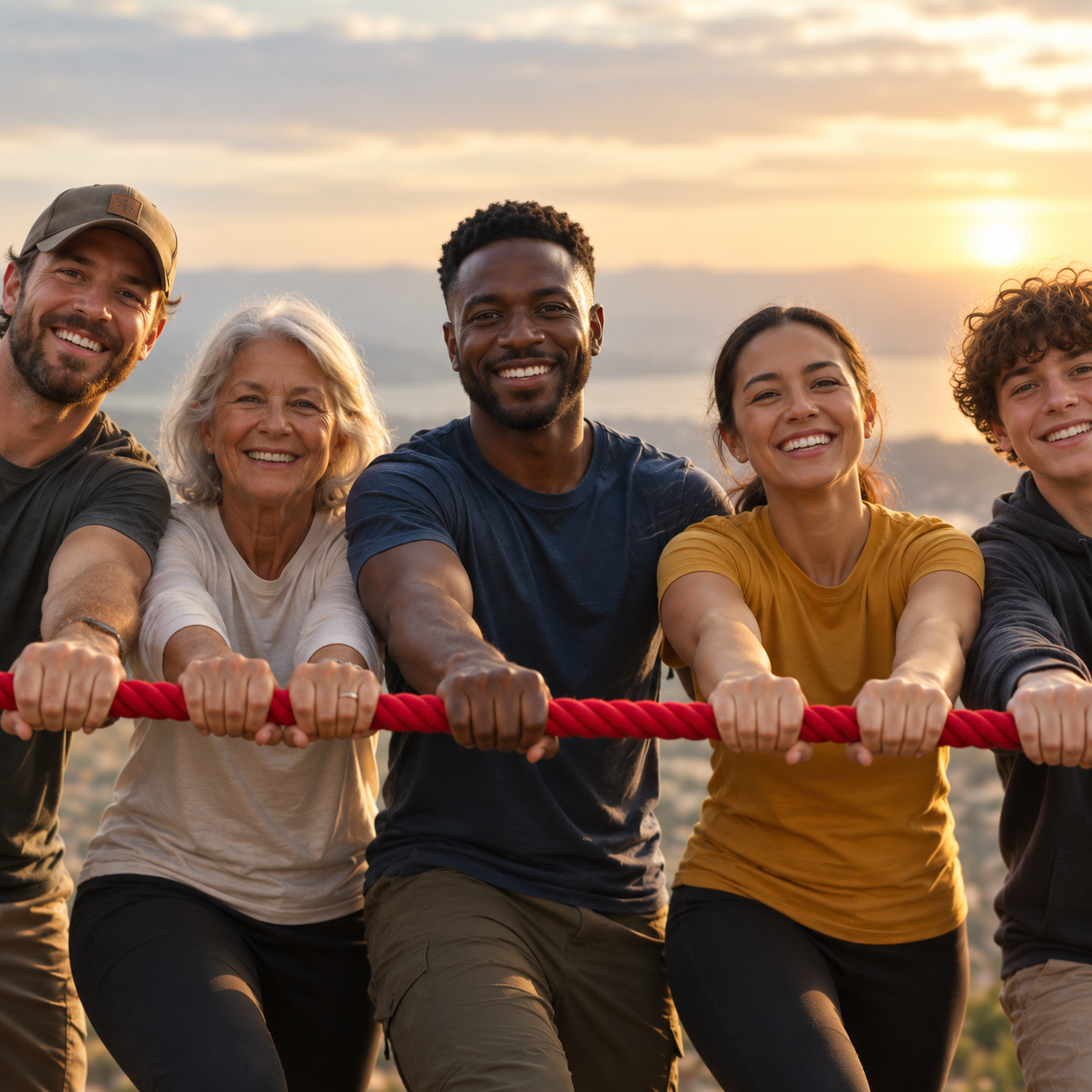
Missions was never meant to be a solo adventure. Invite your family, friends, small group, or church to discover what God is doing and join you in holding the rope.
Global
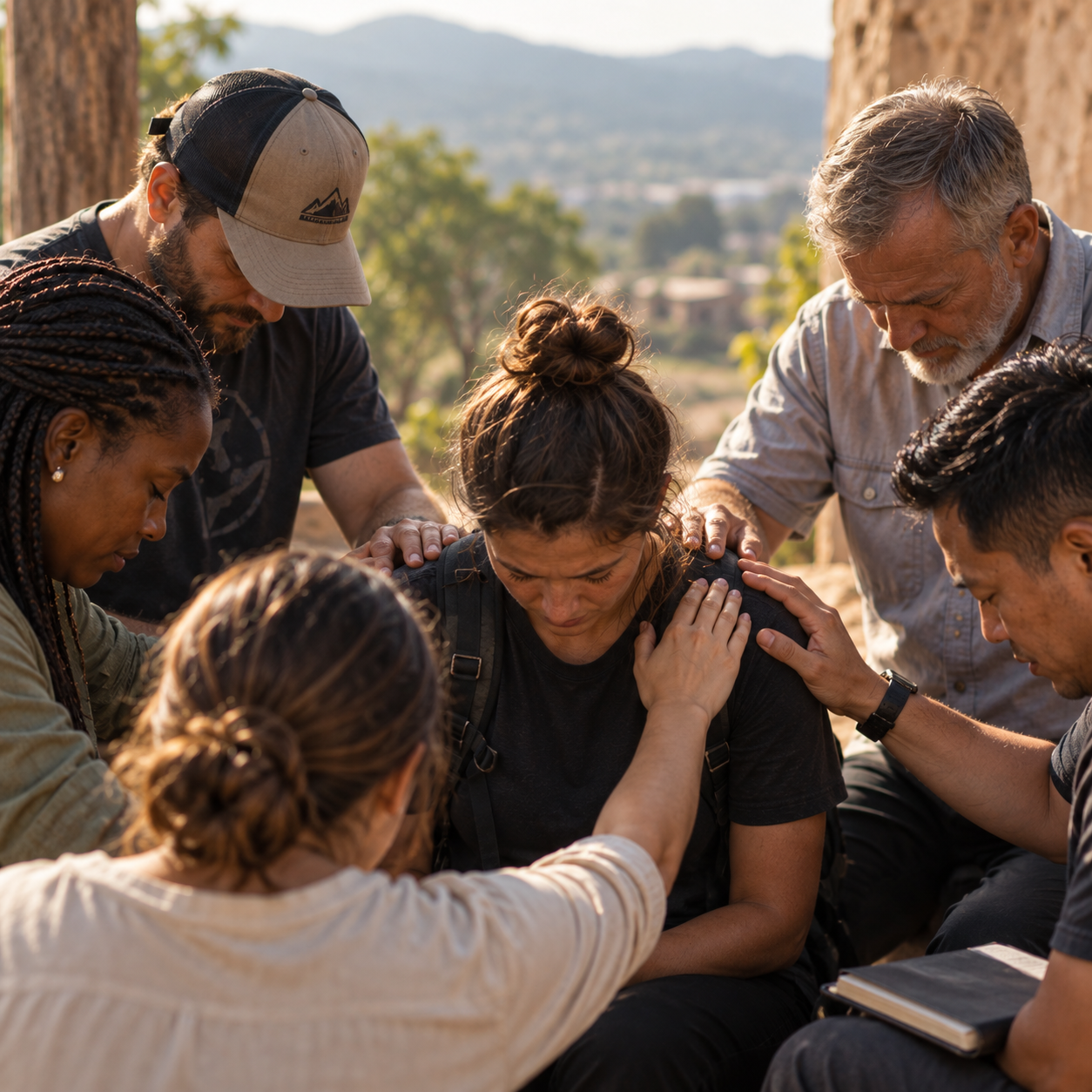
You’re on the front lines. We want to stand behind you. Join Hold the Rope to share your story, prayer needs, and ministry with people ready to pray and engage.

 Prayer
 Mission
 Research &
 Training &
 Videos &
 Missions
Moravian, London Missionary Society, Methodist, Anglican, Dutch Reformed, and many evangelical missions expanded from the 18th century; African-led churches later became major forces in national Christian life. That history now shapes how South Africa’s churches understand local leadership, witness, and mission. That history matters because today’s churches must serve nominal Christians, Muslims, Hindus, and secular urban communities with greater local ownership.
Moravian, London Missionary Society, Methodist, Anglican, Dutch Reformed, and many evangelical missions expanded from the 18th century.
African-led churches later became major forces in national Christian life.
In South Africa, leadership now has to emerge from a church shaped by one of Africa's largest and most diverse church landscapes, shaped by mission history, apartheid, revival, inequality, and global sending; national pastors and lay believers are best positioned to disciple nominal Christians, Muslims, Hindus, and secular urban communities.
Contemporary ministry in South Africa now intersects with townships, farm workers, and communities shaped by apartheid-era inequality and townships and rural districts with unequal services. Churches also need practical readiness for floods, drought, wildfires, and severe storms.
About 991,500 people remain unreached in South Africa; ministry among Hindi now unfolds alongside floods, drought, wildfires, and severe storms and freedom is strong, but xenophobia, inequality, and church integrity demand attention.

Be a part of what God is doing in South Africa
PRAY ENGAGE GIVE GO


Download the App
Grab your rope

Hold the Rope makes every effort to publish and maintain accurate, up-to-date information. If you find an error, please email support@holdtherope.com with the page URL and the correction you recommend. Thank you for helping us keep HTR accurate and useful.