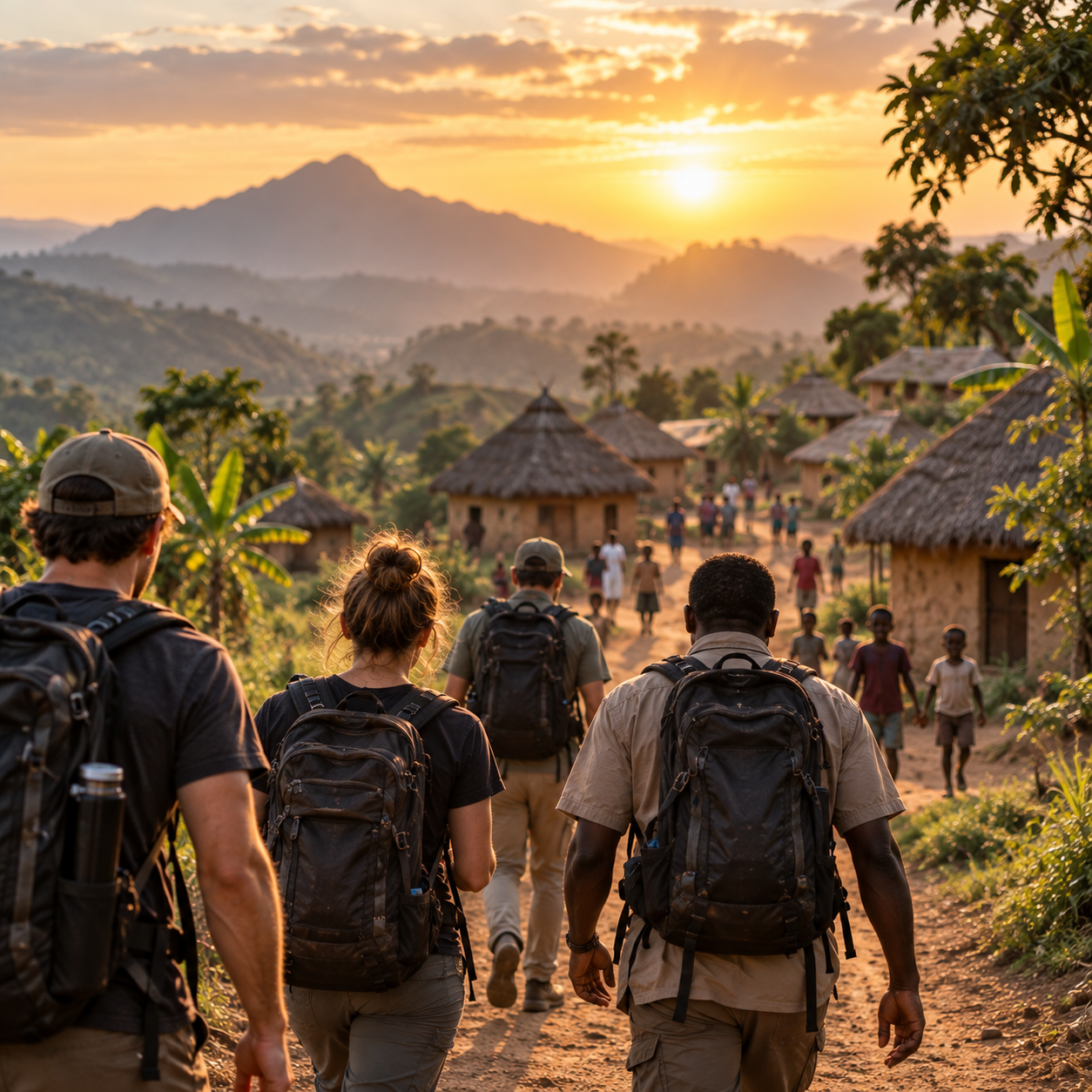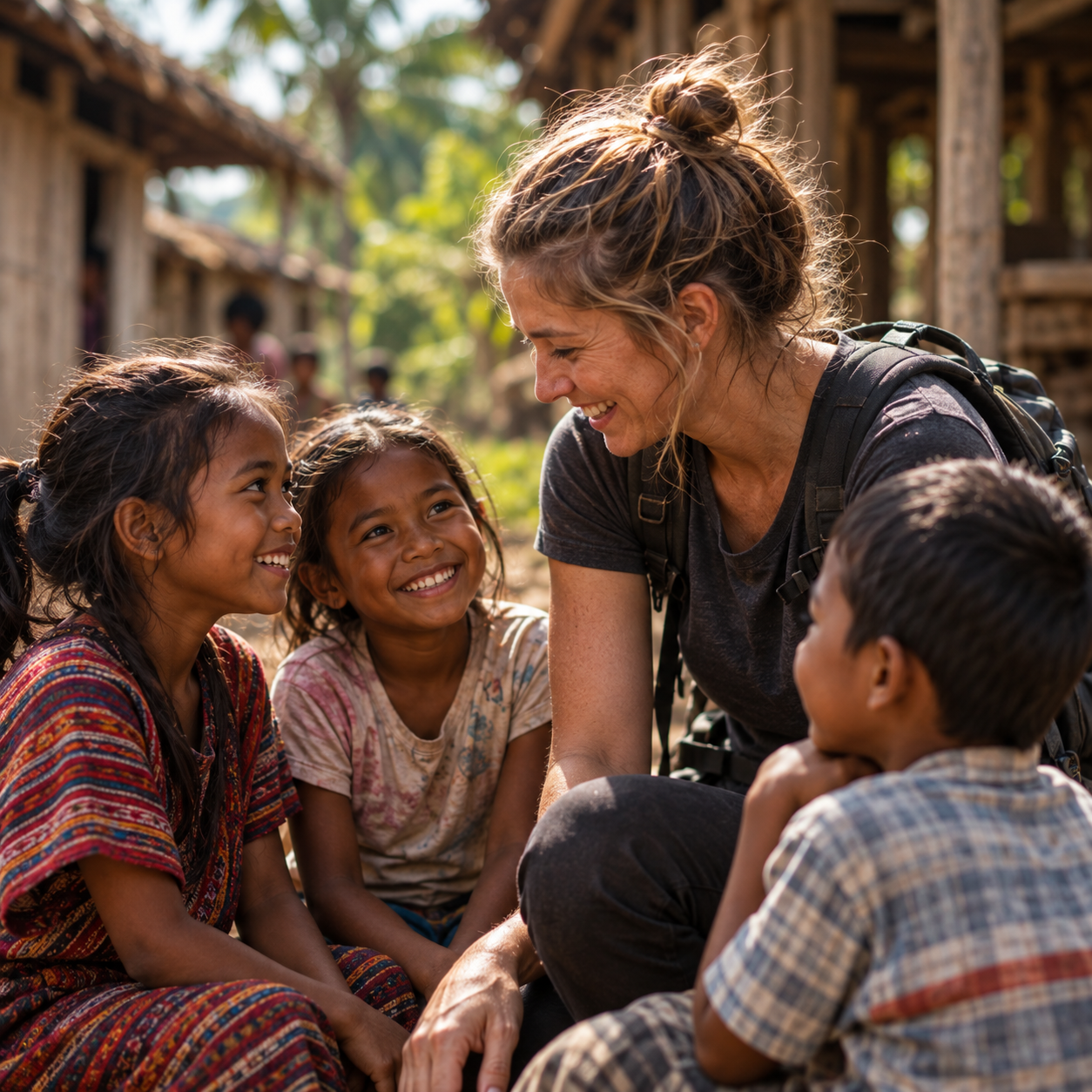

God Is at Work. You’re Invited Into the Story.
Around the world, God is moving through ordinary people who pray, give, go, and serve. Hold the Rope helps you discover the stories—and find your place in them. Read More
MISSIONS IN
God is moving in Eswatini
The Gospel opportunity in Eswatini is inseparable from a heavily Christian southern African monarchy facing HIV, inequality, traditional religious influence, and a need for deeper discipleship. One unreached people group remains, representing about 700 people. The strongest opportunities combine locally led discipleship, thoughtful evangelism, and practical service rooted in trusted church relationships.
 1.2M
POPULATION
1.2M
POPULATION
 87.1%
CHRISTIANS
87.1%
CHRISTIANS
 87.5%
LITERACY
87.5%
LITERACY
 1
UNREACHED PEOPLE GROUPS
1
UNREACHED PEOPLE GROUPS
 Comorian
Maore
LARGEST UNREACHED PEOPLE GROUP
Comorian
Maore
LARGEST UNREACHED PEOPLE GROUP
 700
UNREACHED POPULATION
700
UNREACHED POPULATION
 Mbabane
CAPITAL CITY
Mbabane
CAPITAL CITY
 Manzini
Mbabane
Lobamba
LARGEST CITIES
Manzini
Mbabane
Lobamba
LARGEST CITIES
 Swazi
Lilangeni
CURRENCY
Swazi
Lilangeni
CURRENCY
 Subtropical climate, with warm wet summers, cool dry winters, and temps varying sharply by elevation.
CLIMATE
Subtropical climate, with warm wet summers, cool dry winters, and temps varying sharply by elevation.
CLIMATE
 Swazi
English
PRIMARY LANGUAGES
Swazi
English
PRIMARY LANGUAGES
 Islam
LARGEST UNREACHED RELIGION
Islam
LARGEST UNREACHED RELIGION
Around the world, God is moving through ordinary people who pray, give, go, and serve. Hold the Rope helps you discover the stories—and find your place in them. Read More
 Bible Translation
Eswatini's churches can use Swazi Scripture to serve nominal Christians with biblical clarity.
Bible Translation
Eswatini's churches can use Swazi Scripture to serve nominal Christians with biblical clarity.
 Church Planting
Church planting in Eswatini should prepare leaders who understand nominal Christians.
Church Planting
Church planting in Eswatini should prepare leaders who understand nominal Christians.
 Disaster Relief
Church planting remains urgent among Somali, coastal Muslim.
Disaster Relief
Church planting remains urgent among Somali, coastal Muslim.
 Education
Church planting remains urgent among Somali, coastal Muslim.
Education
Church planting remains urgent among Somali, coastal Muslim.
 Gospel Access
About 700 people form Eswatini's single listed UPG.
Gospel Access
About 700 people form Eswatini's single listed UPG.
 Human Trafficking
Church planting remains urgent among Somali, coastal Muslim.
Human Trafficking
Church planting remains urgent among Somali, coastal Muslim.
 Medical Missions
Church planting remains urgent among Somali, coastal Muslim.
Medical Missions
Church planting remains urgent among Somali, coastal Muslim.
 Orphans & Vulnerable Children
Church planting remains urgent among Somali, coastal Muslim.
Orphans & Vulnerable Children
Church planting remains urgent among Somali, coastal Muslim.
 Persecuted Church
Believers in Eswatini need wisdom because freedom is broad; HIV, poverty.
Persecuted Church
Believers in Eswatini need wisdom because freedom is broad; HIV, poverty.
 Poverty & Justice
Justice ministry in Eswatini can serve rural households affected by inequality without creating dependency.
Poverty & Justice
Justice ministry in Eswatini can serve rural households affected by inequality without creating dependency.
 Unreached People Groups
Millions still have little or no access to the gospel in their language and culture.
Unreached People Groups
Millions still have little or no access to the gospel in their language and culture.
Global
Around the world, God is moving through ordinary people who pray, give, go, and serve. Hold the Rope helps you discover the stories—and find your place in them.

Global
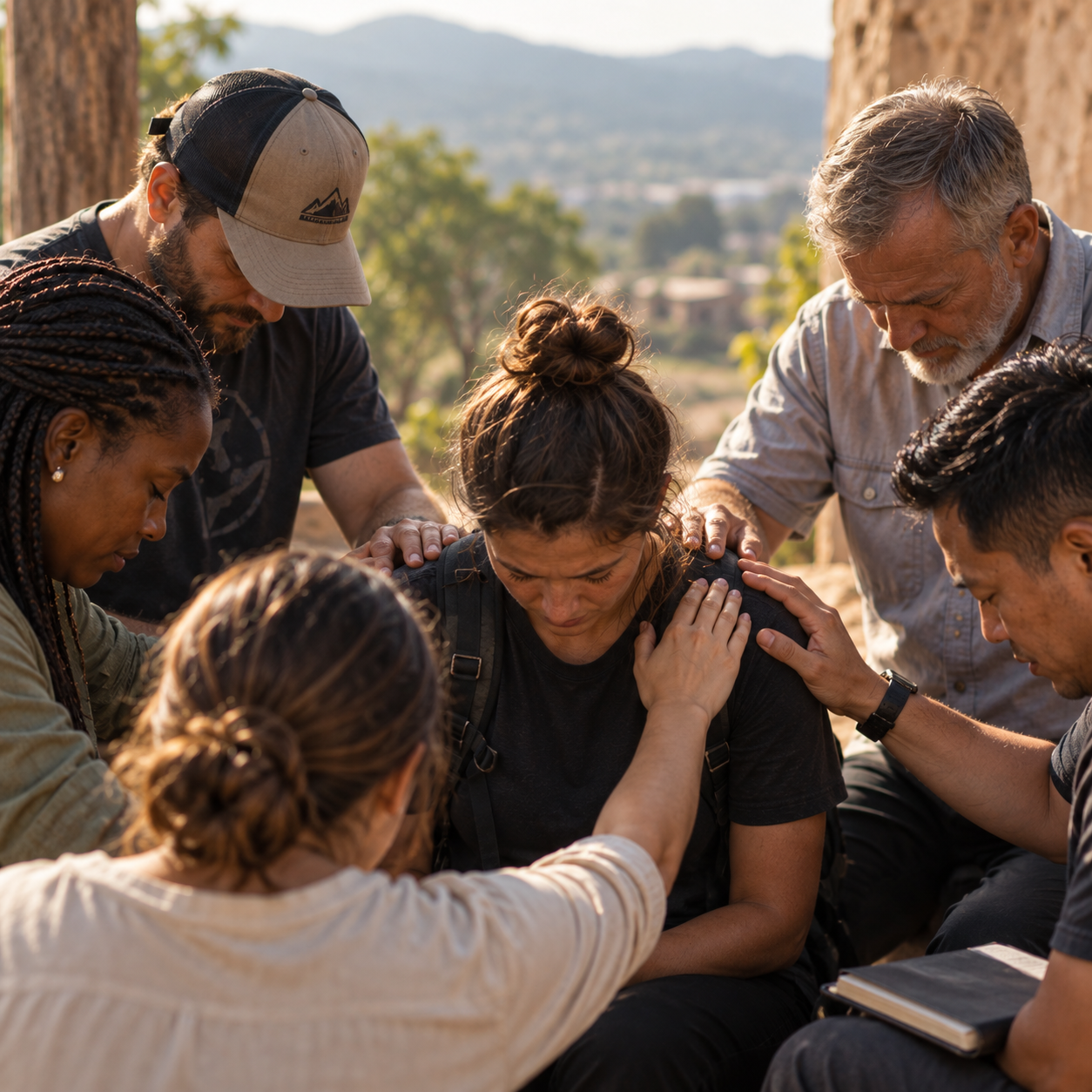
Missions was never meant to be a solo adventure. Invite your family, friends, small group, or church to discover what God is doing and join you in holding the rope.
Global
You’re on the front lines. We want to stand behind you. Join Hold the Rope to share your story, prayer needs, and ministry with people ready to pray and engage.

 Prayer
 Mission
 Research &
 Training &
 Videos &
 Missions
Methodist, Nazarene, evangelical, and other missions established churches, schools, and hospitals in Eswatini; the Church of the Nazarene became especially influential in health, education, and pastoral training. The movement’s lasting strength has come as national pastors and believers assumed greater responsibility for ministry. That history matters because today’s churches must serve nominal Christians and communities shaped by traditional religious practice with greater local ownership.
Methodist, Nazarene, evangelical, and other missions established churches, schools, and hospitals in Eswatini.
the Church of the Nazarene became especially influential in health, education, and pastoral training.
In Eswatini, leadership now has to emerge from a church shaped by a heavily Christian southern African monarchy facing HIV, inequality, traditional religious influence, and a need for deeper discipleship; national pastors and lay believers are best positioned to disciple nominal Christians and communities shaped by traditional religious practice.
Contemporary ministry in Eswatini now intersects with rural households affected by inequality and unemployment and rural families living with HIV and limited specialist care. Churches also need practical readiness for drought, floods, and severe storms.
Reaching Comorian, Maore remains part of Eswatini's mission challenge, but churches also face drought, floods, and severe storms and must serve rural households affected by inequality and unemployment faithfully.

Be a part of what God is doing in Eswatini
PRAY ENGAGE GIVE GO


Download the App
Grab your rope

Hold the Rope makes every effort to publish and maintain accurate, up-to-date information. If you find an error, please email support@holdtherope.com with the page URL and the correction you recommend. Thank you for helping us keep HTR accurate and useful.