God Is at Work. You’re Invited Into the Story.
Around the world, God is moving through ordinary people who pray, give, go, and serve. Hold the Rope helps you discover the stories—and find your place in them. Read More
MISSIONS IN
God is moving in Morocco
Missions in Morocco reflect a Muslim-majority North African kingdom where local believers often meet discreetly and public attempts to convert Muslims are illegal. Foreign evangelical mission expanded in Morocco during the French and Spanish protectorate period through schools, hospitals, and personal witness. 27 UPGs remain, totaling about 37,983,300 unreached people; Arab, Moroccan is the largest listed group.
 38M
POPULATION
38M
POPULATION
 0.1%
CHRISTIANS
0.1%
CHRISTIANS
 68.5%
LITERACY
68.5%
LITERACY
 27
UNREACHED PEOPLE GROUPS
27
UNREACHED PEOPLE GROUPS
 Arab
Moroccan
LARGEST UNREACHED PEOPLE GROUP
Arab
Moroccan
LARGEST UNREACHED PEOPLE GROUP
 38M
UNREACHED POPULATION
38M
UNREACHED POPULATION
 Rabat
CAPITAL CITY
Rabat
CAPITAL CITY
 Casablanca
Rabat
Fes
LARGEST CITIES
Casablanca
Rabat
Fes
LARGEST CITIES
 Moroccan
Dirham
CURRENCY
Moroccan
Dirham
CURRENCY
 Mediterranean coast and arid interior, with hot summers, mild winters, and snow in the Atlas Mountains.
CLIMATE
Mediterranean coast and arid interior, with hot summers, mild winters, and snow in the Atlas Mountains.
CLIMATE
 Arabic
Tamazight
PRIMARY LANGUAGES
Arabic
Tamazight
PRIMARY LANGUAGES
 Islam
LARGEST UNREACHED RELIGION
Islam
LARGEST UNREACHED RELIGION
Around the world, God is moving through ordinary people who pray, give, go, and serve. Hold the Rope helps you discover the stories—and find your place in them. Read More
 Bible Translation
Arabic and Tamazight Scripture is available digitally, but local believers often access it more safely in private.
Bible Translation
Arabic and Tamazight Scripture is available digitally, but local believers often access it more safely in private.
 Church Planting
Moroccan-background fellowships need discreet local leaders.
Church Planting
Moroccan-background fellowships need discreet local leaders.
 Disaster Relief
Church planting remains urgent among Somali, coastal Muslim.
Disaster Relief
Church planting remains urgent among Somali, coastal Muslim.
 Education
Church planting remains urgent among Somali, coastal Muslim.
Education
Church planting remains urgent among Somali, coastal Muslim.
 Gospel Access
Morocco has 27 UPGs and about 38 million unreached Moroccan Arabs, leaving nearly the entire population unreached.
Gospel Access
Morocco has 27 UPGs and about 38 million unreached Moroccan Arabs, leaving nearly the entire population unreached.
 Human Trafficking
Church planting remains urgent among Somali, coastal Muslim.
Human Trafficking
Church planting remains urgent among Somali, coastal Muslim.
 Medical Missions
Church planting remains urgent among Somali, coastal Muslim.
Medical Missions
Church planting remains urgent among Somali, coastal Muslim.
 Orphans & Vulnerable Children
Church planting remains urgent among Somali, coastal Muslim.
Orphans & Vulnerable Children
Church planting remains urgent among Somali, coastal Muslim.
 Persecuted Church
Article 220 restricts attempts to convert Muslims, and local Christians may face monitoring, questioning.
Persecuted Church
Article 220 restricts attempts to convert Muslims, and local Christians may face monitoring, questioning.
 Poverty & Justice
Practical service among migrants and poor groups should remain transparent, dignifying, and religiously noncoercive.
Poverty & Justice
Practical service among migrants and poor groups should remain transparent, dignifying, and religiously noncoercive.
 Unreached People Groups
Millions still have little or no access to the gospel in their language and culture.
Unreached People Groups
Millions still have little or no access to the gospel in their language and culture.
Global
Around the world, God is moving through ordinary people who pray, give, go, and serve. Hold the Rope helps you discover the stories—and find your place in them.

Global
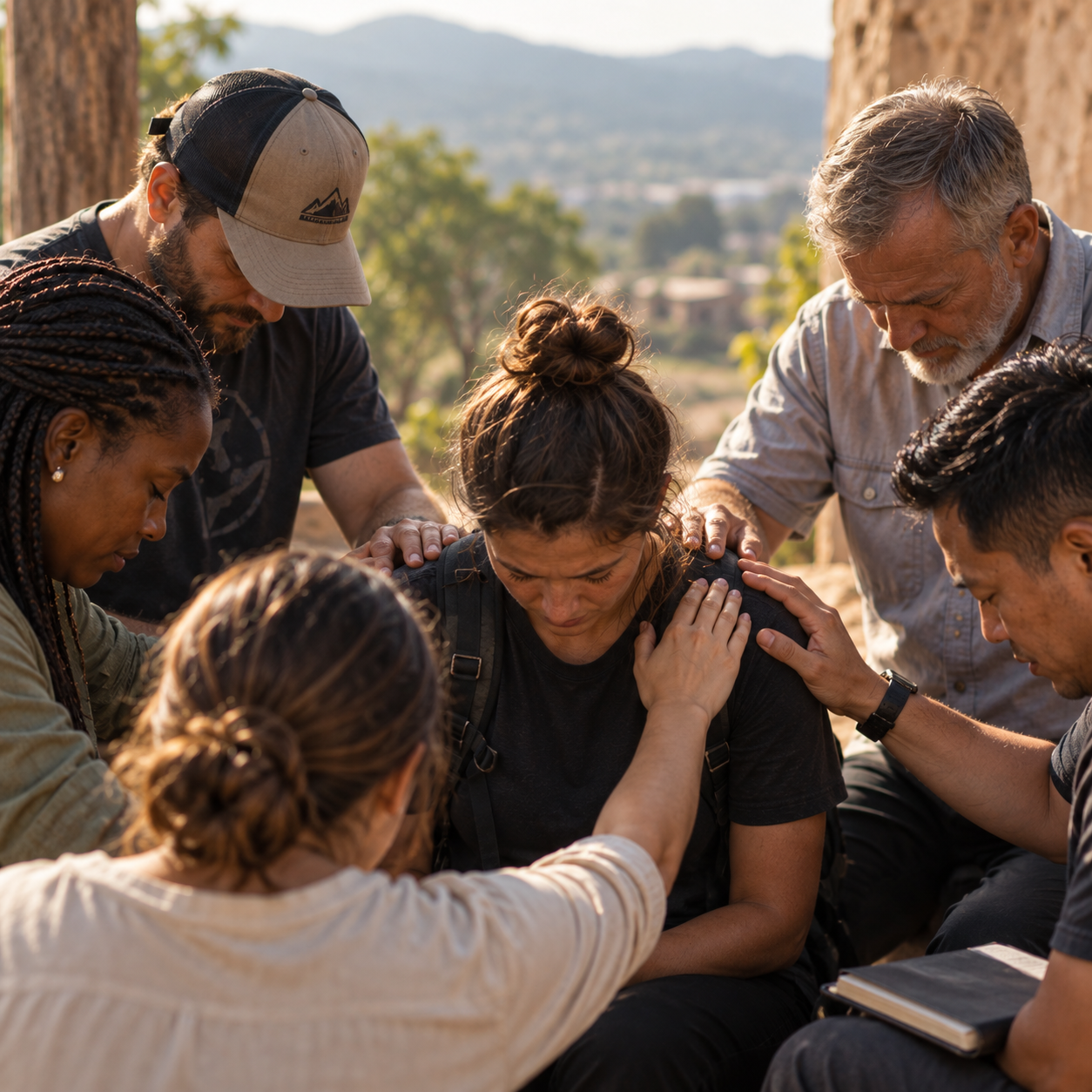
Missions was never meant to be a solo adventure. Invite your family, friends, small group, or church to discover what God is doing and join you in holding the rope.
Global
You’re on the front lines. We want to stand behind you. Join Hold the Rope to share your story, prayer needs, and ministry with people ready to pray and engage.

 Prayer
 Mission
 Research &
 Training &
 Videos &
 Missions
Morocco’s evangelical missions history explains much of its present church landscape. foreign evangelical mission expanded during the protectorate era through schools, hospitals, and personal witness; after independence, expatriate churches remained legal while Moroccan-background believers developed mostly private networks. Over time, responsibility moved increasingly toward local pastors, evangelists, teachers, and congregations.
Foreign evangelical mission expanded in Morocco during the French and Spanish protectorate period through schools, hospitals, and personal witness.
After independence in 1956, expatriate churches continued legally while public evangelism among Muslims became increasingly restricted.
Moroccan-background believers gradually formed discreet house networks separate from churches designed mainly for foreigners.
Satellite media, internet resources, and diaspora relationships later widened access to Arabic and Tamazight Christian teaching.
Moroccan believers today often worship privately because public conversion activity can trigger family pressure and government scrutiny.
Be a part of what God is doing in Morocco
PRAY ENGAGE GIVE GO


Download the App
Grab your rope
Hold the Rope makes every effort to publish and maintain accurate, up-to-date information. If you find an error, please email support@holdtherope.com with the page URL and the correction you recommend. Thank you for helping us keep HTR accurate and useful.