
God Is at Work. You’re Invited Into the Story.
Around the world, God is moving through ordinary people who pray, give, go, and serve. Hold the Rope helps you discover the stories—and find your place in them. Read More
MISSIONS IN
God is moving in Libya
Libya’s mission field is shaped by a North African Muslim society where local evangelical believers are extremely few and public Christian outreach is dangerous. 31 UPGs remain, totaling about 6,104,200 unreached people; Arab, Libyan is the largest listed group. Its evangelical story has distinctive roots: Modern evangelical presence in Libya remained small through the colonial and post-independence periods.
 7.4M
POPULATION
7.4M
POPULATION
 0.5%
CHRISTIANS
0.5%
CHRISTIANS
 91%
LITERACY
91%
LITERACY
 31
UNREACHED PEOPLE GROUPS
31
UNREACHED PEOPLE GROUPS
 Arab
Libyan
LARGEST UNREACHED PEOPLE GROUP
Arab
Libyan
LARGEST UNREACHED PEOPLE GROUP
 6.1M
UNREACHED POPULATION
6.1M
UNREACHED POPULATION
 Tripoli
CAPITAL CITY
Tripoli
CAPITAL CITY
 Tripoli
Benghazi
Misrata
LARGEST CITIES
Tripoli
Benghazi
Misrata
LARGEST CITIES
 Libyan
Dinar
CURRENCY
Libyan
Dinar
CURRENCY
 Hot arid desert climate, with extremely dry interiors, mild Mediterranean coastal winters, and.
CLIMATE
Hot arid desert climate, with extremely dry interiors, mild Mediterranean coastal winters, and.
CLIMATE
 Arabic
PRIMARY LANGUAGES
Arabic
PRIMARY LANGUAGES
 Islam
LARGEST UNREACHED RELIGION
Islam
LARGEST UNREACHED RELIGION
Around the world, God is moving through ordinary people who pray, give, go, and serve. Hold the Rope helps you discover the stories—and find your place in them. Read More
 Bible Translation
Bible ministry in Libya should prioritize clear Scripture access and meaningful engagement.
Bible Translation
Bible ministry in Libya should prioritize clear Scripture access and meaningful engagement.
 Church Planting
Expatriate churches and Christian medical workers provided most visible evangelical activity in major cities.
Church Planting
Expatriate churches and Christian medical workers provided most visible evangelical activity in major cities.
 Disaster Relief
Church planting remains urgent among Somali, coastal Muslim.
Disaster Relief
Church planting remains urgent among Somali, coastal Muslim.
 Education
Church planting remains urgent among Somali, coastal Muslim.
Education
Church planting remains urgent among Somali, coastal Muslim.
 Gospel Access
Libya has 31 UPGs and about 6,104,200 unreached people; Arab, Libyan is the largest listed community.
Gospel Access
Libya has 31 UPGs and about 6,104,200 unreached people; Arab, Libyan is the largest listed community.
 Human Trafficking
Church planting remains urgent among Somali, coastal Muslim.
Human Trafficking
Church planting remains urgent among Somali, coastal Muslim.
 Medical Missions
Church planting remains urgent among Somali, coastal Muslim.
Medical Missions
Church planting remains urgent among Somali, coastal Muslim.
 Orphans & Vulnerable Children
Church planting remains urgent among Somali, coastal Muslim.
Orphans & Vulnerable Children
Church planting remains urgent among Somali, coastal Muslim.
 Persecuted Church
Libyan-background Christians today depend heavily on private fellowship, digital discipleship, and diaspora ties.
Persecuted Church
Libyan-background Christians today depend heavily on private fellowship, digital discipleship, and diaspora ties.
 Poverty & Justice
Churches in Libya can address poverty through dignifying help that strengthens families and livelihoods.
Poverty & Justice
Churches in Libya can address poverty through dignifying help that strengthens families and livelihoods.
 Unreached People Groups
Millions still have little or no access to the gospel in their language and culture.
Unreached People Groups
Millions still have little or no access to the gospel in their language and culture.
Global
Around the world, God is moving through ordinary people who pray, give, go, and serve. Hold the Rope helps you discover the stories—and find your place in them.

Global
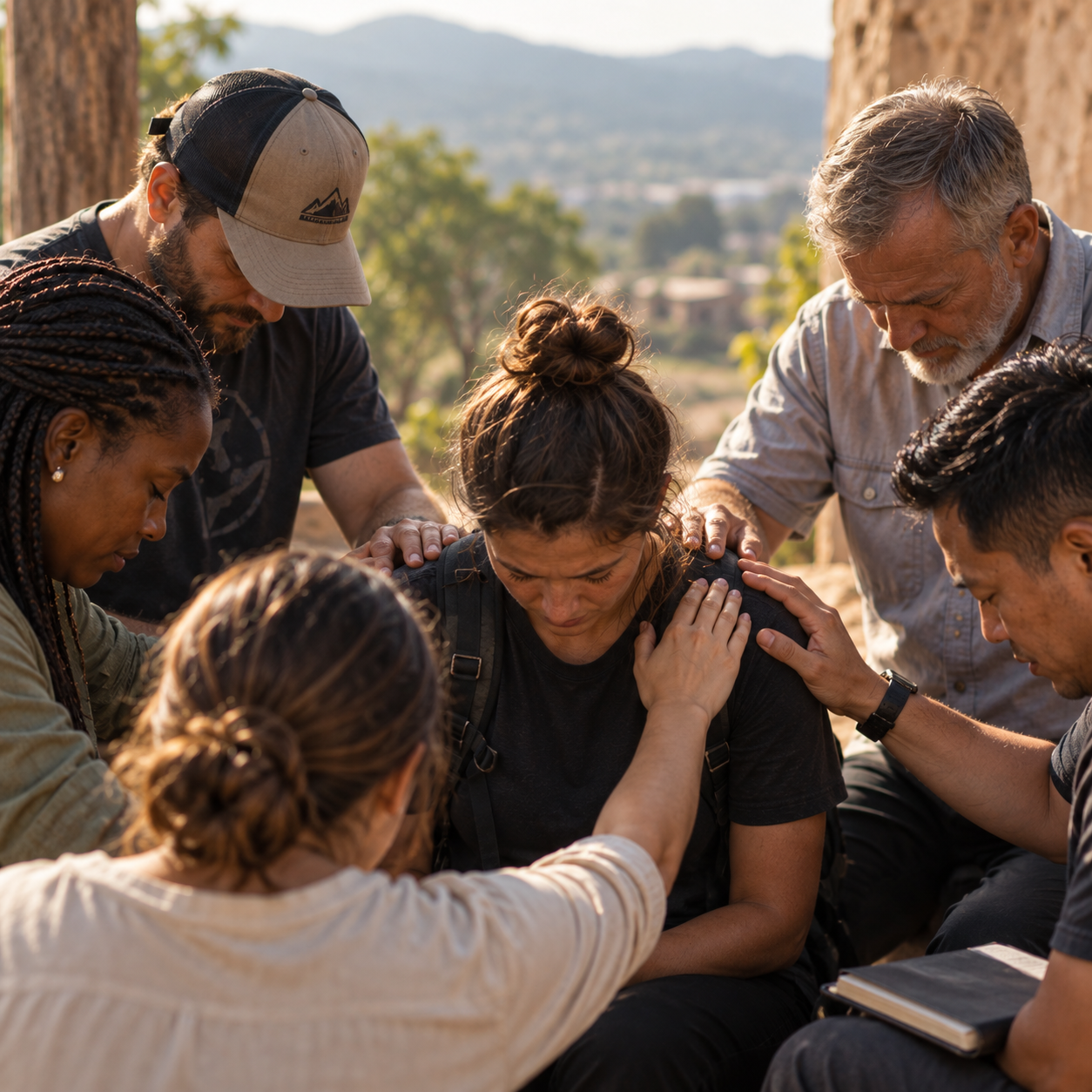
Missions was never meant to be a solo adventure. Invite your family, friends, small group, or church to discover what God is doing and join you in holding the rope.
Global
You’re on the front lines. We want to stand behind you. Join Hold the Rope to share your story, prayer needs, and ministry with people ready to pray and engage.

 Prayer
 Mission
 Research &
 Training &
 Videos &
 Missions
The evangelical story in Libya developed through several important transitions. modern evangelical presence has largely involved expatriate congregations, medical service, and discreet personal witness; political upheaval since 2011 has made indigenous Christian fellowship especially vulnerable. What began through particular mission movements increasingly became the work of national believers who built congregations, trained leaders, and adapted ministry to local realities.
Modern evangelical presence in Libya remained small through the colonial and post-independence periods.
Expatriate congregations and Christian medical workers provided most visible evangelical activity in major cities.
Under Muammar Gaddafi, local conversion and public evangelism remained highly sensitive and closely controlled.
The 2011 revolution and subsequent civil conflict created severe insecurity for migrants, expatriate churches, and local believers.
Libyan-background Christians today depend heavily on private fellowship, digital discipleship, and diaspora relationships.
Be a part of what God is doing in Libya
PRAY ENGAGE GIVE GO


Download the App
Grab your rope

Hold the Rope makes every effort to publish and maintain accurate, up-to-date information. If you find an error, please email support@holdtherope.com with the page URL and the correction you recommend. Thank you for helping us keep HTR accurate and useful.