God Is at Work. You’re Invited Into the Story.
Around the world, God is moving through ordinary people who pray, give, go, and serve. Hold the Rope helps you discover the stories—and find your place in them. Read More
MISSIONS IN
God is moving in Egypt
Egypt presents a distinctive missions landscape: the Arab world’s largest population, a historic evangelical church, and tight boundaries around conversion and public religious activity. 26 unreached people groups remain, representing about 12,580,700 people; Algerian, Arabic speaking is the largest listed community. Effective ministry depends on mature local leadership, clear Scripture teaching, and patient relationships rather than imported.
 117M
POPULATION
117M
POPULATION
 8.9%
CHRISTIANS
8.9%
CHRISTIANS
 73.8%
LITERACY
73.8%
LITERACY
 26
UNREACHED PEOPLE GROUPS
26
UNREACHED PEOPLE GROUPS
 Algerian
Arabic speaking
LARGEST UNREACHED PEOPLE GROUP
Algerian
Arabic speaking
LARGEST UNREACHED PEOPLE GROUP
 13M
UNREACHED POPULATION
13M
UNREACHED POPULATION
 Cairo
CAPITAL CITY
Cairo
CAPITAL CITY
 Cairo
Alexandria
Giza
LARGEST CITIES
Cairo
Alexandria
Giza
LARGEST CITIES
 Egyptian
Pound
CURRENCY
Egyptian
Pound
CURRENCY
 Hot desert climate, with very dry summers, mild winters, scarce rainfall, and cooler conditions along.
CLIMATE
Hot desert climate, with very dry summers, mild winters, scarce rainfall, and cooler conditions along.
CLIMATE
 Arabic
PRIMARY LANGUAGES
Arabic
PRIMARY LANGUAGES
 Islam
LARGEST UNREACHED RELIGION
Islam
LARGEST UNREACHED RELIGION
Around the world, God is moving through ordinary people who pray, give, go, and serve. Hold the Rope helps you discover the stories—and find your place in them. Read More
 Bible Translation
Arabic Bibles are available, but distribution and engagement among Muslim-background communities require wisdom.
Bible Translation
Arabic Bibles are available, but distribution and engagement among Muslim-background communities require wisdom.
 Church Planting
Egyptian evangelical churches need trained pastors who can strengthen churches without depending on foreign leadership.
Church Planting
Egyptian evangelical churches need trained pastors who can strengthen churches without depending on foreign leadership.
 Disaster Relief
Church planting remains urgent among Somali, coastal Muslim.
Disaster Relief
Church planting remains urgent among Somali, coastal Muslim.
 Education
Church planting remains urgent among Somali, coastal Muslim.
Education
Church planting remains urgent among Somali, coastal Muslim.
 Gospel Access
Egypt has 26 UPGs and about 12.6 million unreached people, with Arabic-speaking Algerians the largest listed group.
Gospel Access
Egypt has 26 UPGs and about 12.6 million unreached people, with Arabic-speaking Algerians the largest listed group.
 Human Trafficking
Church planting remains urgent among Somali, coastal Muslim.
Human Trafficking
Church planting remains urgent among Somali, coastal Muslim.
 Medical Missions
Church planting remains urgent among Somali, coastal Muslim.
Medical Missions
Church planting remains urgent among Somali, coastal Muslim.
 Orphans & Vulnerable Children
Church planting remains urgent among Somali, coastal Muslim.
Orphans & Vulnerable Children
Church planting remains urgent among Somali, coastal Muslim.
 Persecuted Church
Evangelicals have recognized churches, but converts and public witness can face legal and social pressure.
Persecuted Church
Evangelicals have recognized churches, but converts and public witness can face legal and social pressure.
 Poverty & Justice
Churches can serve poor families, refugees, and marginalized communities while preserving dignity and religious freedom.
Poverty & Justice
Churches can serve poor families, refugees, and marginalized communities while preserving dignity and religious freedom.
 Unreached People Groups
Millions still have little or no access to the gospel in their language and culture.
Unreached People Groups
Millions still have little or no access to the gospel in their language and culture.
Global
Around the world, God is moving through ordinary people who pray, give, go, and serve. Hold the Rope helps you discover the stories—and find your place in them.
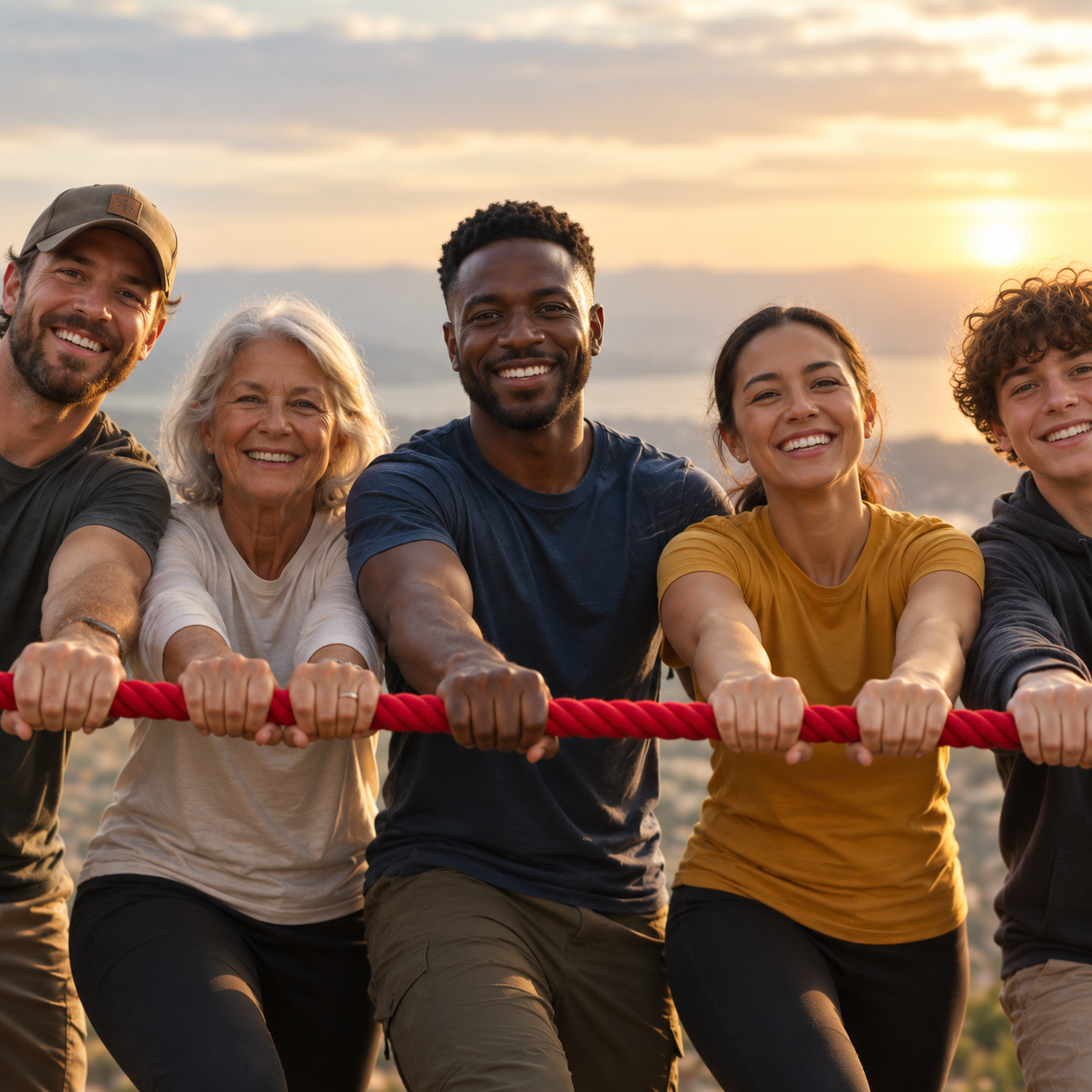
Global
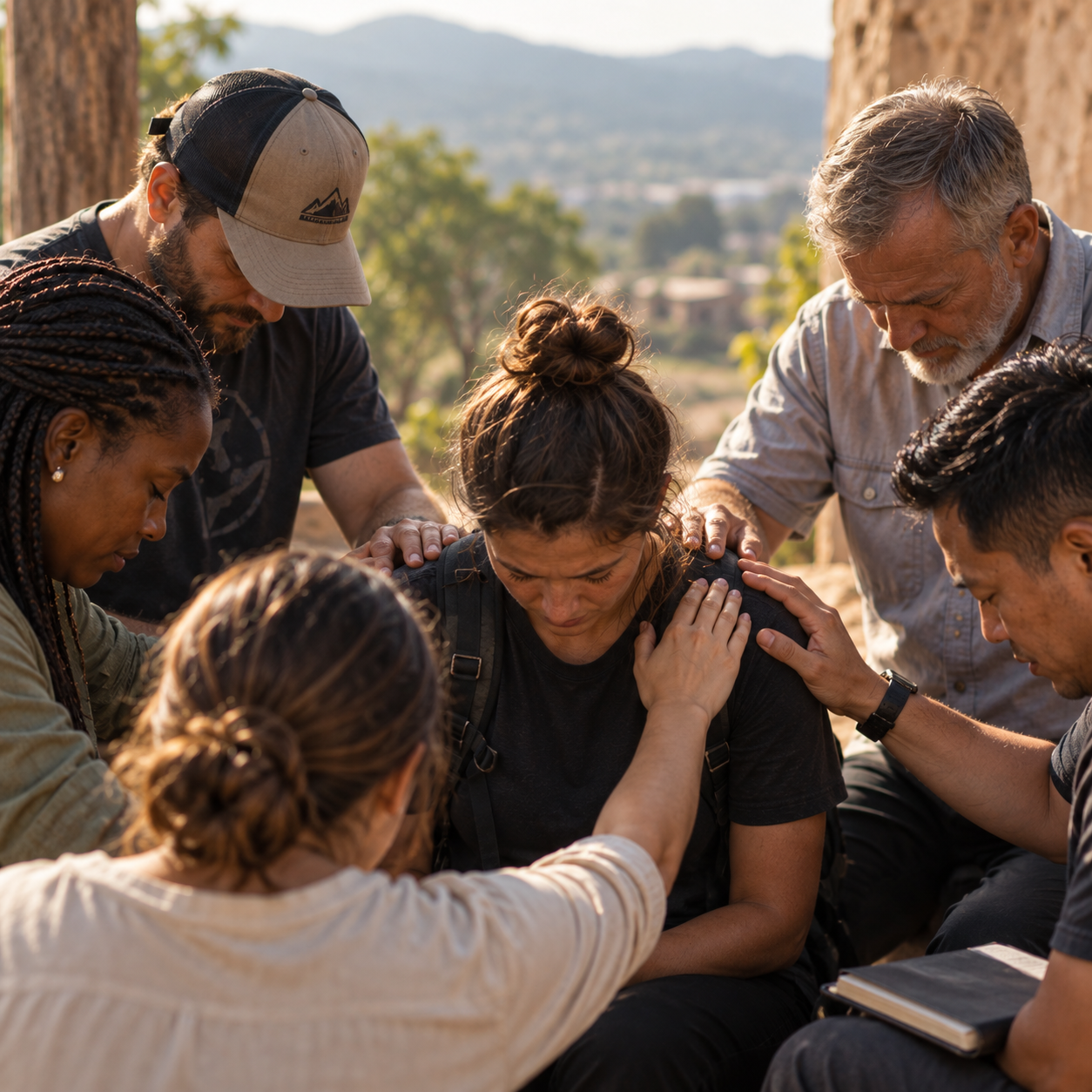
Missions was never meant to be a solo adventure. Invite your family, friends, small group, or church to discover what God is doing and join you in holding the rope.
Global
You’re on the front lines. We want to stand behind you. Join Hold the Rope to share your story, prayer needs, and ministry with people ready to pray and engage.

 Prayer
 Mission
 Research &
 Training &
 Videos &
 Missions
The modern evangelical story in Egypt developed through several important transitions. American Presbyterian mission began in 1854, schools and theological training expanded, and the Evangelical Church of Egypt gradually became self-governing before full responsibility transferred to Egyptian leadership in the 20th century. What began through outside mission initiatives increasingly became the work of national believers who built congregations, trained leaders, and adapted ministry to local.
American Presbyterian missionaries began sustained evangelical work in Egypt in 1854.
Schools, congregations, publishing, and theological education expanded along the Nile during the late 1800s and early 1900s.
Egyptian pastors increasingly led the Evangelical Church as it developed self-governing presbyteries and institutions.
By the later 20th century, responsibility for the historic mission's work had transferred fully to Egyptian leadership.
Egyptian evangelicals now serve through churches, education, development, and careful witness within a restrictive environment.
Be a part of what God is doing in Egypt
PRAY ENGAGE GIVE GO


Download the App
Grab your rope

Hold the Rope makes every effort to publish and maintain accurate, up-to-date information. If you find an error, please email support@holdtherope.com with the page URL and the correction you recommend. Thank you for helping us keep HTR accurate and useful.