God Is at Work. You’re Invited Into the Story.
Around the world, God is moving through ordinary people who pray, give, go, and serve. Hold the Rope helps you discover the stories—and find your place in them. Read More
MISSIONS IN
God is moving in Rwanda
Missions in Rwanda are shaped by a heavily churched nation profoundly shaped by the 1994 genocide, reconciliation ministry, and rapid evangelical growth. 3 unreached people groups remain, representing about 10,900 people; Swahili is the largest listed community. Sustainable mission means equipping national believers, strengthening healthy churches, and serving neighbors without creating permanent outside dependence.
 14M
POPULATION
14M
POPULATION
 91.5%
CHRISTIANS
91.5%
CHRISTIANS
 70.5%
LITERACY
70.5%
LITERACY
 3
UNREACHED PEOPLE GROUPS
3
UNREACHED PEOPLE GROUPS
 Swahili
LARGEST UNREACHED PEOPLE GROUP
Swahili
LARGEST UNREACHED PEOPLE GROUP
 11K
UNREACHED POPULATION
11K
UNREACHED POPULATION
 Kigali
CAPITAL CITY
Kigali
CAPITAL CITY
 Kigali
Huye
Musanze
LARGEST CITIES
Kigali
Huye
Musanze
LARGEST CITIES
 Rwandan
Franc
CURRENCY
Rwandan
Franc
CURRENCY
 Temperate tropical highland climate, with mild temperatures, two rainy seasons, and higher elevations.
CLIMATE
Temperate tropical highland climate, with mild temperatures, two rainy seasons, and higher elevations.
CLIMATE
 Kinyarwanda
English
PRIMARY LANGUAGES
Kinyarwanda
English
PRIMARY LANGUAGES
 Islam
LARGEST UNREACHED RELIGION
Islam
LARGEST UNREACHED RELIGION
Around the world, God is moving through ordinary people who pray, give, go, and serve. Hold the Rope helps you discover the stories—and find your place in them. Read More
 Bible Translation
Kinyarwanda Scripture is widely accessible.
Bible Translation
Kinyarwanda Scripture is widely accessible.
 Church Planting
Churches should strengthen healthy leadership rather than simply multiply congregations in a heavily churched nation.
Church Planting
Churches should strengthen healthy leadership rather than simply multiply congregations in a heavily churched nation.
 Disaster Relief
Church planting remains urgent among Somali, coastal Muslim.
Disaster Relief
Church planting remains urgent among Somali, coastal Muslim.
 Education
Church planting remains urgent among Somali, coastal Muslim.
Education
Church planting remains urgent among Somali, coastal Muslim.
 Gospel Access
Only three UPGs remain in Rwanda, totaling about 10,900 people; Swahili speakers are the largest listed group.
Gospel Access
Only three UPGs remain in Rwanda, totaling about 10,900 people; Swahili speakers are the largest listed group.
 Human Trafficking
Church planting remains urgent among Somali, coastal Muslim.
Human Trafficking
Church planting remains urgent among Somali, coastal Muslim.
 Medical Missions
Church planting remains urgent among Somali, coastal Muslim.
Medical Missions
Church planting remains urgent among Somali, coastal Muslim.
 Orphans & Vulnerable Children
Church planting remains urgent among Somali, coastal Muslim.
Orphans & Vulnerable Children
Church planting remains urgent among Somali, coastal Muslim.
 Persecuted Church
Churches worship freely, but integrity and genuine reconciliation remain vital to credible witness.
Persecuted Church
Churches worship freely, but integrity and genuine reconciliation remain vital to credible witness.
 Poverty & Justice
Churches can serve survivors, returnees, and land-poor households through locally owned development.
Poverty & Justice
Churches can serve survivors, returnees, and land-poor households through locally owned development.
 Unreached People Groups
Millions still have little or no access to the gospel in their language and culture.
Unreached People Groups
Millions still have little or no access to the gospel in their language and culture.
Global
Around the world, God is moving through ordinary people who pray, give, go, and serve. Hold the Rope helps you discover the stories—and find your place in them.
Global
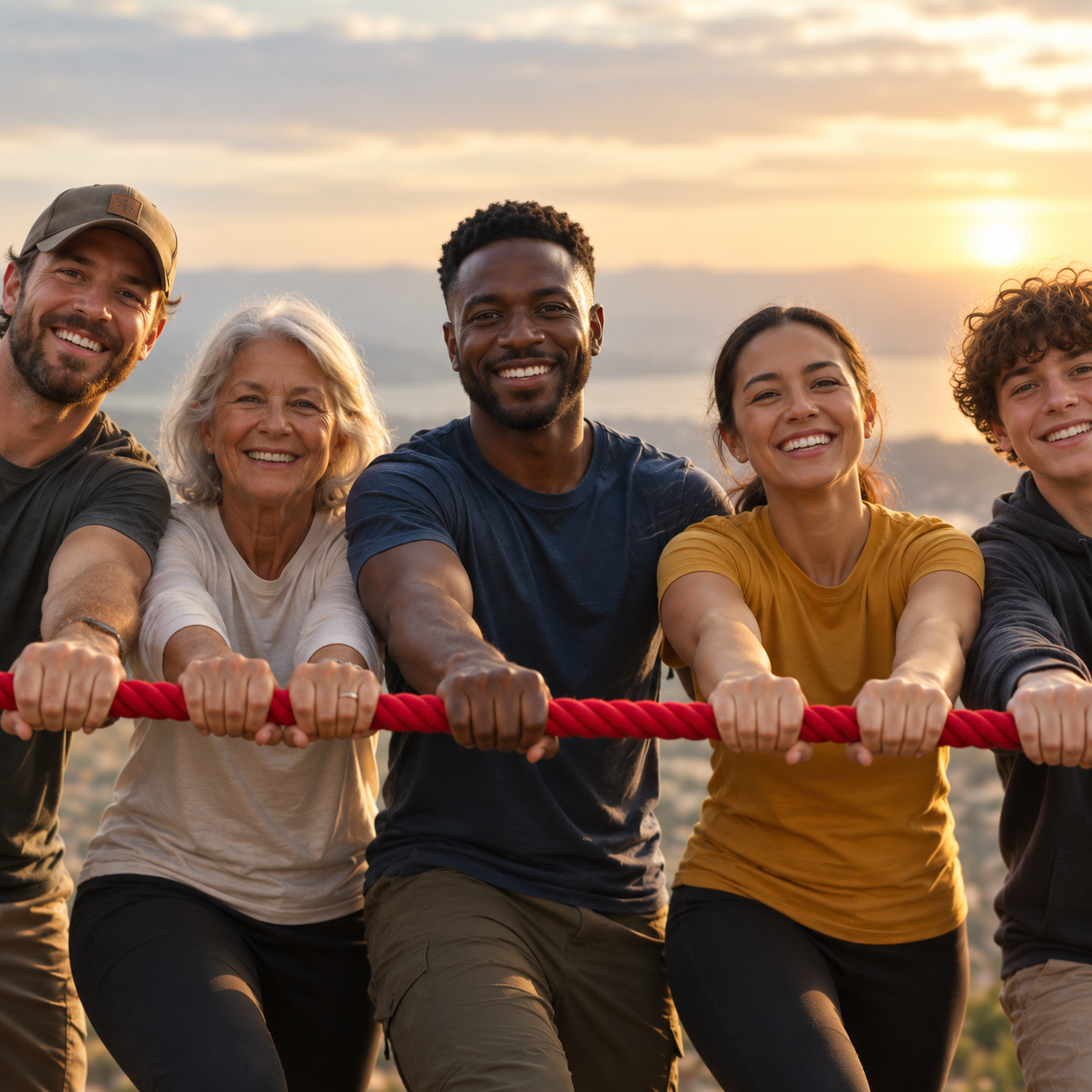
Missions was never meant to be a solo adventure. Invite your family, friends, small group, or church to discover what God is doing and join you in holding the rope.
Global
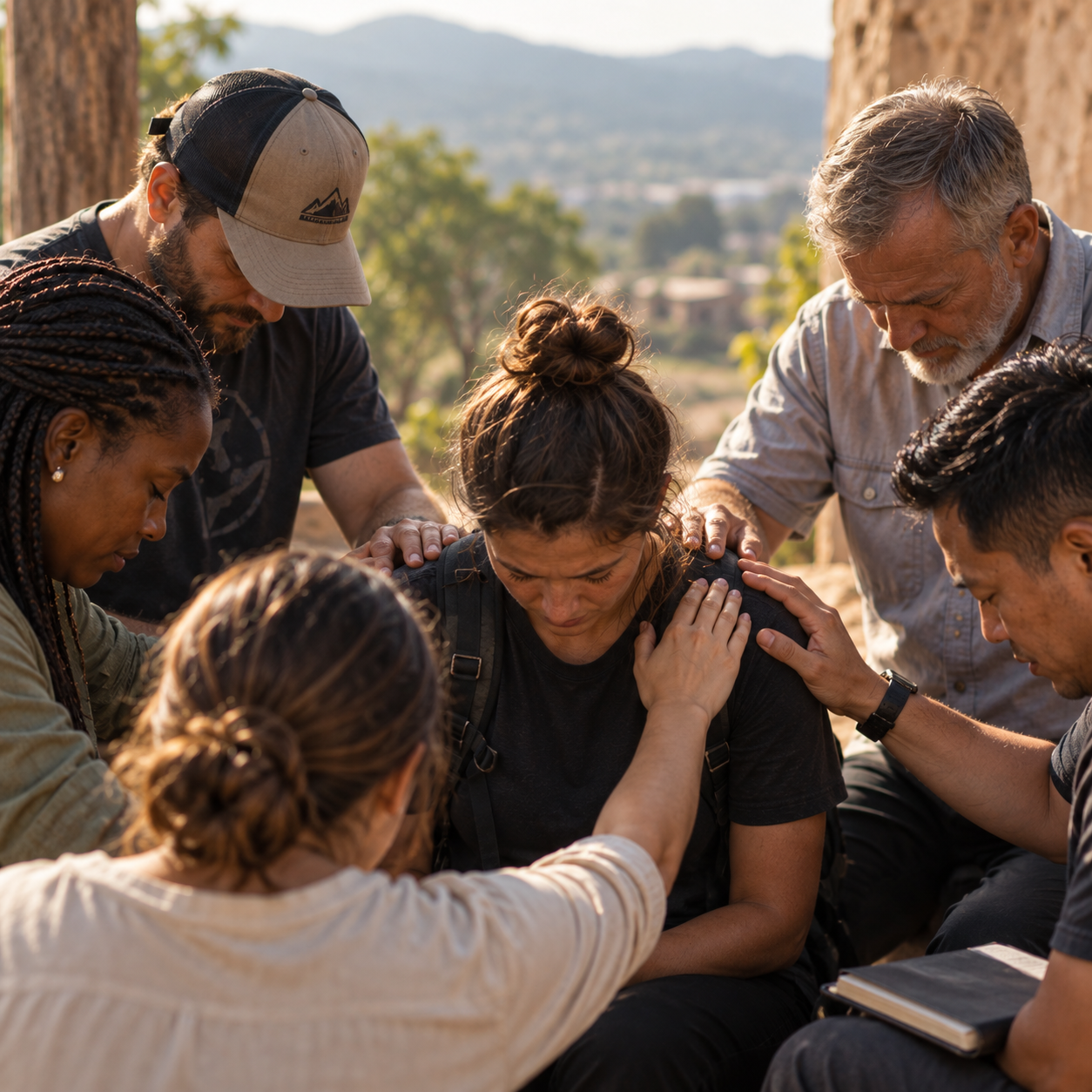
You’re on the front lines. We want to stand behind you. Join Hold the Rope to share your story, prayer needs, and ministry with people ready to pray and engage.

 Prayer
 Mission
 Research &
 Training &
 Videos &
 Missions
Early 20th-century Protestant missions and the East African Revival deeply shaped Rwanda’s evangelical church. The 1994 genocide then exposed both grave failures and courageous acts of Christian witness, forcing churches to confront complicity, repentance, and reconciliation. Rwanda’s future mission strength depends on leaders of integrity who turn broad Christian identity into biblical discipleship, healing, and outward mission.
Protestant missions expanded in the early 20th century.
the East African Revival deeply influenced Rwanda, while the genocide later forced churches to confront complicity and reconciliation.
Rwandan churches were forced to confront both complicity and courageous witness after the 1994 genocide.
Post-genocide ministry has emphasized reconciliation, trauma care, church accountability, and a renewed missionary vision.
Rwanda's next challenge is turning broad Christian identity into deep discipleship, integrity, reconciliation, and outward mission.
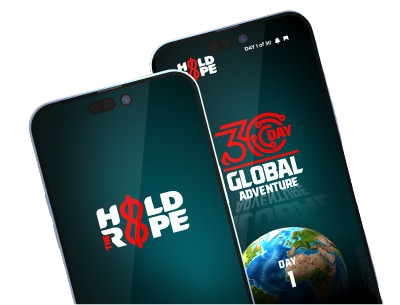
Be a part of what God is doing in Rwanda
PRAY ENGAGE GIVE GO


Download the App
Grab your rope

Hold the Rope makes every effort to publish and maintain accurate, up-to-date information. If you find an error, please email support@holdtherope.com with the page URL and the correction you recommend. Thank you for helping us keep HTR accurate and useful.