God Is at Work. You’re Invited Into the Story.
Around the world, God is moving through ordinary people who pray, give, go, and serve. Hold the Rope helps you discover the stories—and find your place in them. Read More
MISSIONS IN
God is moving in Ethiopia
Missions in Ethiopia are shaped by one of Africa’s largest evangelical movements alongside vast Muslim and traditional communities and recurring ethnic conflict. 33 unreached people groups remain, representing about 29,366,000 people; Somali is the largest listed community. The strongest long-term opportunities combine locally led churches, biblical discipleship, practical service, and witness that fits the country’s distinct cultural setting.
 134M
POPULATION
134M
POPULATION
 60.4%
CHRISTIANS
60.4%
CHRISTIANS
 49.1%
LITERACY
49.1%
LITERACY
 33
UNREACHED PEOPLE GROUPS
33
UNREACHED PEOPLE GROUPS
 Somali
LARGEST UNREACHED PEOPLE GROUP
Somali
LARGEST UNREACHED PEOPLE GROUP
 29M
UNREACHED POPULATION
29M
UNREACHED POPULATION
 Addis
Ababa
CAPITAL CITY
Addis
Ababa
CAPITAL CITY
 Addis Ababa
Dire Dawa
Mekelle
LARGEST CITIES
Addis Ababa
Dire Dawa
Mekelle
LARGEST CITIES
 Ethiopian
Birr
CURRENCY
Ethiopian
Birr
CURRENCY
 Highly varied by elevation, from cool highlands to hot arid lowlands, with seasonal rains and recurring.
CLIMATE
Highly varied by elevation, from cool highlands to hot arid lowlands, with seasonal rains and recurring.
CLIMATE
 Amharic
Oromo
PRIMARY LANGUAGES
Amharic
Oromo
PRIMARY LANGUAGES
 Islam
LARGEST UNREACHED RELIGION
Islam
LARGEST UNREACHED RELIGION
Around the world, God is moving through ordinary people who pray, give, go, and serve. Hold the Rope helps you discover the stories—and find your place in them. Read More
 Bible Translation
Amharic, Oromo, Somali, and many minority languages require ongoing translation, audio, and literacy work.
Bible Translation
Amharic, Oromo, Somali, and many minority languages require ongoing translation, audio, and literacy work.
 Church Planting
Church planting remains urgent among Somali, Afar, and other Muslim peoples despite a huge national church.
Church Planting
Church planting remains urgent among Somali, Afar, and other Muslim peoples despite a huge national church.
 Disaster Relief
Church planting remains urgent among Somali, coastal Muslim.
Disaster Relief
Church planting remains urgent among Somali, coastal Muslim.
 Education
Church planting remains urgent among Somali, coastal Muslim.
Education
Church planting remains urgent among Somali, coastal Muslim.
 Gospel Access
Thirty-three UPGs remain; nearly 29.4 million unreached Somalis make the remaining task exceptionally significant.
Gospel Access
Thirty-three UPGs remain; nearly 29.4 million unreached Somalis make the remaining task exceptionally significant.
 Human Trafficking
Church planting remains urgent among Somali, coastal Muslim.
Human Trafficking
Church planting remains urgent among Somali, coastal Muslim.
 Medical Missions
Church planting remains urgent among Somali, coastal Muslim.
Medical Missions
Church planting remains urgent among Somali, coastal Muslim.
 Orphans & Vulnerable Children
Church planting remains urgent among Somali, coastal Muslim.
Orphans & Vulnerable Children
Church planting remains urgent among Somali, coastal Muslim.
 Persecuted Church
Evangelicals are numerous, but local believers can face pressure in Muslim-majority areas and during ethnic conflict.
Persecuted Church
Evangelicals are numerous, but local believers can face pressure in Muslim-majority areas and during ethnic conflict.
 Poverty & Justice
Churches can pair relief with livelihoods and reconciliation in communities strained by drought and ethnic conflict.
Poverty & Justice
Churches can pair relief with livelihoods and reconciliation in communities strained by drought and ethnic conflict.
 Unreached People Groups
Millions still have little or no access to the gospel in their language and culture.
Unreached People Groups
Millions still have little or no access to the gospel in their language and culture.
Global
Around the world, God is moving through ordinary people who pray, give, go, and serve. Hold the Rope helps you discover the stories—and find your place in them.
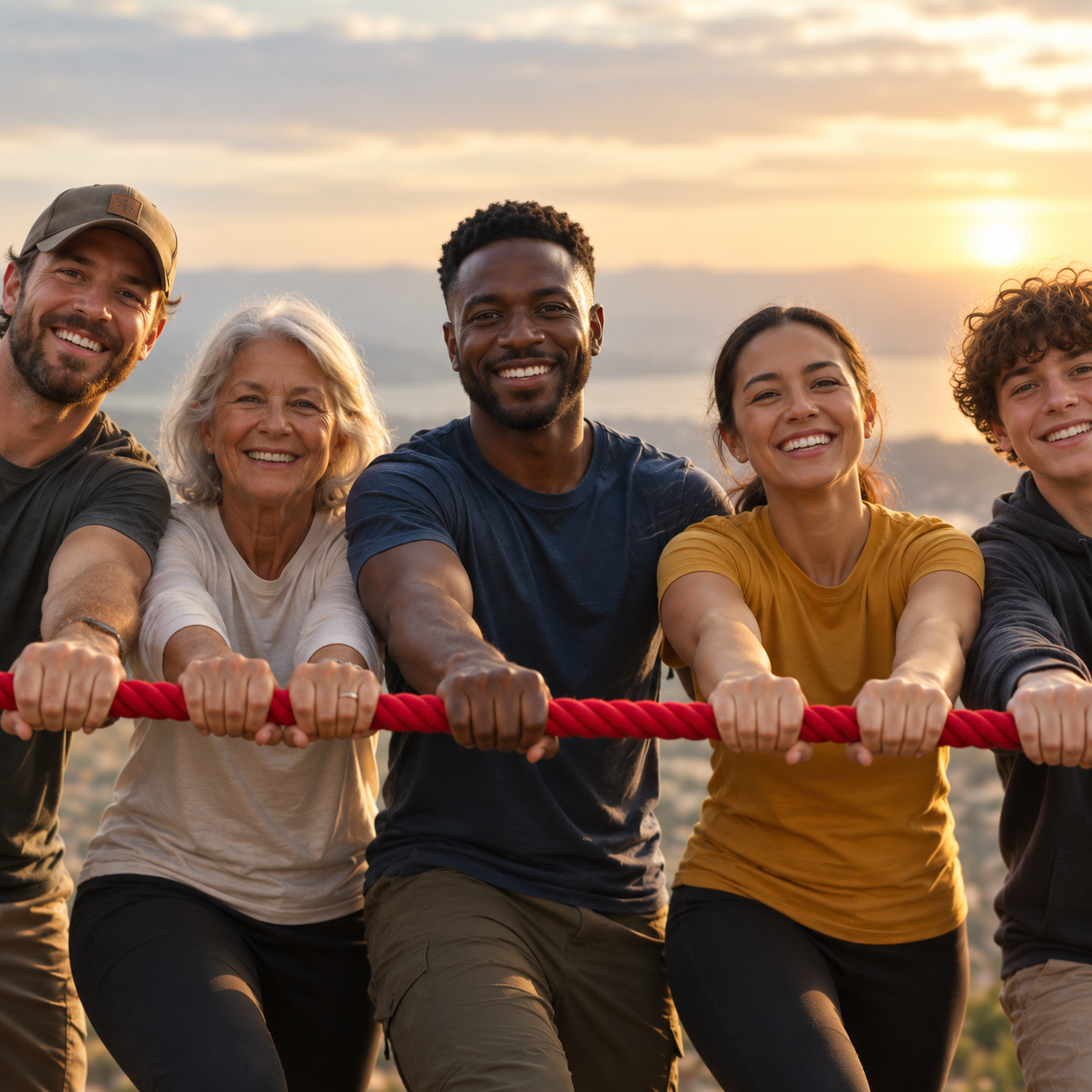
Global
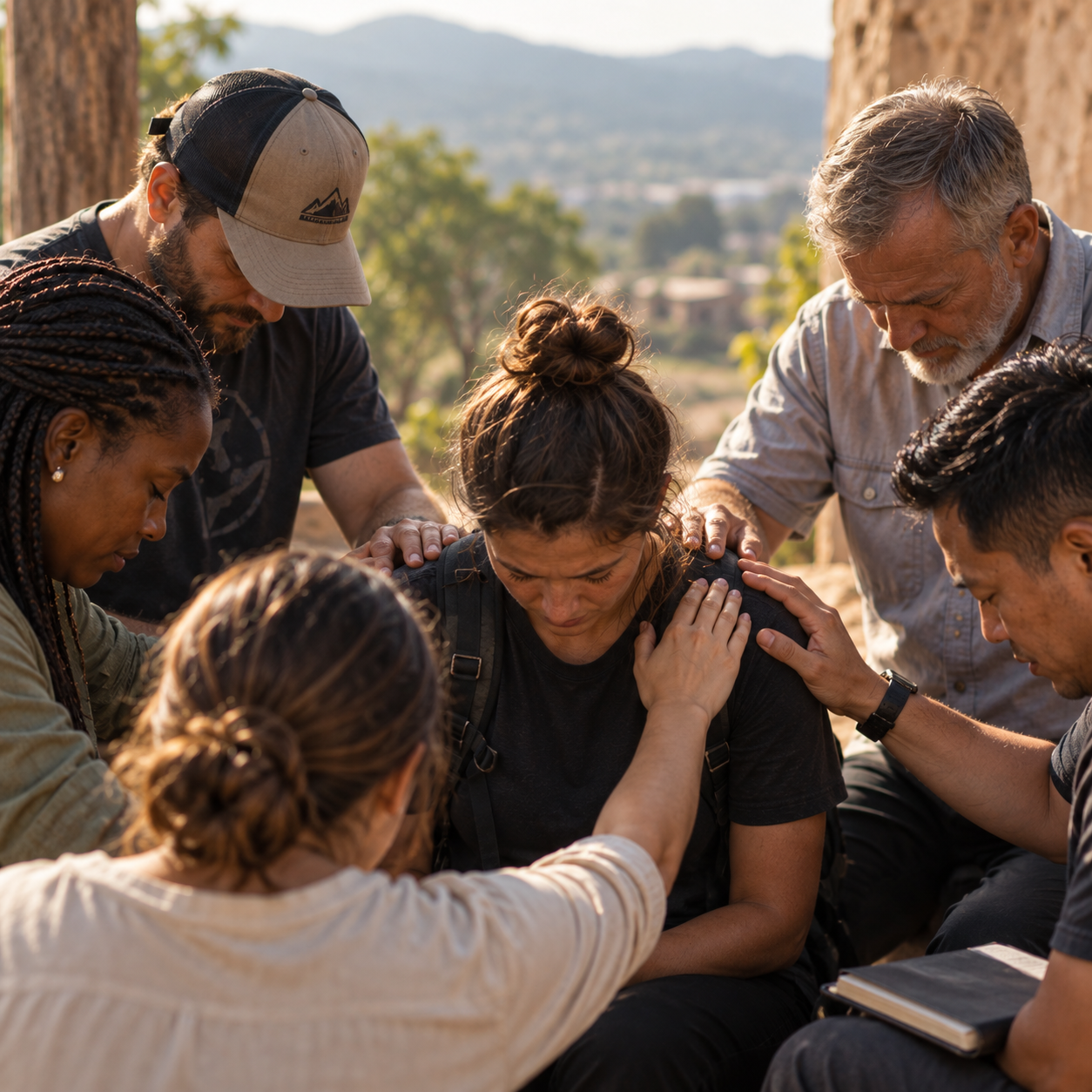
Missions was never meant to be a solo adventure. Invite your family, friends, small group, or church to discover what God is doing and join you in holding the rope.
Global
You’re on the front lines. We want to stand behind you. Join Hold the Rope to share your story, prayer needs, and ministry with people ready to pray and engage.

 Prayer
 Mission
 Research &
 Training &
 Videos &
 Missions
Ethiopia’s evangelical missions history helps explain its present church. SIM and other missions expanded in the early 20th century; indigenous movements such as Kale Heywet and Mekane Yesus grew dramatically, survived Marxist repression, and became major African-led church bodies. Over time, local pastors, teachers, evangelists, and congregations assumed greater responsibility for ministry. Political and social changes reshaped how churches served, but the enduring pattern has been a gradual.
Early-20th-century missions such as SIM planted churches and trained believers in several Ethiopian regions.
Indigenous movements including Kale Heywet and Mekane Yesus grew into large national evangelical church bodies.
Under the Marxist Derg regime, churches faced restrictions while local believers sustained and often expanded the movement.
After 1991, evangelical churches grew rapidly, built seminaries, and increased cross-cultural mission within Ethiopia.
Ethiopian believers now form a major African missionary force while millions of Somali and other peoples remain unreached.
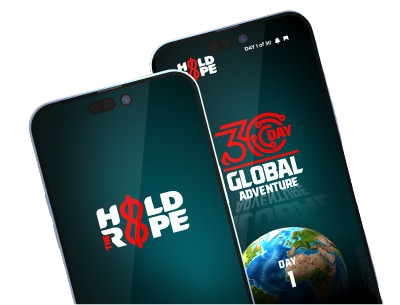
Be a part of what God is doing in Ethiopia
PRAY ENGAGE GIVE GO


Download the App
Grab your rope
Hold the Rope makes every effort to publish and maintain accurate, up-to-date information. If you find an error, please email support@holdtherope.com with the page URL and the correction you recommend. Thank you for helping us keep HTR accurate and useful.