God Is at Work. You’re Invited Into the Story.
Around the world, God is moving through ordinary people who pray, give, go, and serve. Hold the Rope helps you discover the stories—and find your place in them. Read More
MISSIONS IN
God is moving in Djibouti
Missions in Djibouti are shaped by a strategically located Horn of Africa nation where nearly the entire population remains unreached, seven unreached peoples and more than 1.09 million unreached Somalis in the largest listed group, and a tiny Christian community serving amid strong Islamic identity, refugee flows, military bases, and regional migration. 7 unreached people groups remain, representing about 1,094,200 people.
 1.2M
POPULATION
1.2M
POPULATION
 1.1%
CHRISTIANS
1.1%
CHRISTIANS
 65.5%
LITERACY
65.5%
LITERACY
 7
UNREACHED PEOPLE GROUPS
7
UNREACHED PEOPLE GROUPS
 Somali
LARGEST UNREACHED PEOPLE GROUP
Somali
LARGEST UNREACHED PEOPLE GROUP
 1.1M
UNREACHED POPULATION
1.1M
UNREACHED POPULATION
 Djibouti
City
CAPITAL CITY
Djibouti
City
CAPITAL CITY
 Djibouti City
Ali Sabieh
Tadjoura
LARGEST CITIES
Djibouti City
Ali Sabieh
Tadjoura
LARGEST CITIES
 Djiboutian
Franc
CURRENCY
Djiboutian
Franc
CURRENCY
 Hot arid desert climate, with extremely high summer temperatures, little rainfall, and humid conditions.
CLIMATE
Hot arid desert climate, with extremely high summer temperatures, little rainfall, and humid conditions.
CLIMATE
 French
Arabic
PRIMARY LANGUAGES
French
Arabic
PRIMARY LANGUAGES
 Islam
LARGEST UNREACHED RELIGION
Islam
LARGEST UNREACHED RELIGION
Around the world, God is moving through ordinary people who pray, give, go, and serve. Hold the Rope helps you discover the stories—and find your place in them. Read More
 Bible Translation
Somali, Afar, Arabic, and French Scripture resources are essential in Djibouti's multilingual environment.
Bible Translation
Somali, Afar, Arabic, and French Scripture resources are essential in Djibouti's multilingual environment.
 Church Planting
Any indigenous church planting must be discreet and locally led because visible conversion can bring heavy pressure.
Church Planting
Any indigenous church planting must be discreet and locally led because visible conversion can bring heavy pressure.
 Disaster Relief
Church planting remains urgent among Somali, coastal Muslim.
Disaster Relief
Church planting remains urgent among Somali, coastal Muslim.
 Education
Church planting remains urgent among Somali, coastal Muslim.
Education
Church planting remains urgent among Somali, coastal Muslim.
 Gospel Access
Seven UPGs remain; more than 1.09 million unreached Somalis account for most of Djibouti's population.
Gospel Access
Seven UPGs remain; more than 1.09 million unreached Somalis account for most of Djibouti's population.
 Human Trafficking
Church planting remains urgent among Somali, coastal Muslim.
Human Trafficking
Church planting remains urgent among Somali, coastal Muslim.
 Medical Missions
Church planting remains urgent among Somali, coastal Muslim.
Medical Missions
Church planting remains urgent among Somali, coastal Muslim.
 Orphans & Vulnerable Children
Church planting remains urgent among Somali, coastal Muslim.
Orphans & Vulnerable Children
Church planting remains urgent among Somali, coastal Muslim.
 Persecuted Church
Local converts may face family rejection and social danger, so confidentiality and discreet discipleship are crucial.
Persecuted Church
Local converts may face family rejection and social danger, so confidentiality and discreet discipleship are crucial.
 Poverty & Justice
Churches can serve refugees and poor households with water, food, skills, and practical assistance.
Poverty & Justice
Churches can serve refugees and poor households with water, food, skills, and practical assistance.
 Unreached People Groups
Millions still have little or no access to the gospel in their language and culture.
Unreached People Groups
Millions still have little or no access to the gospel in their language and culture.
Global
Around the world, God is moving through ordinary people who pray, give, go, and serve. Hold the Rope helps you discover the stories—and find your place in them.

Global
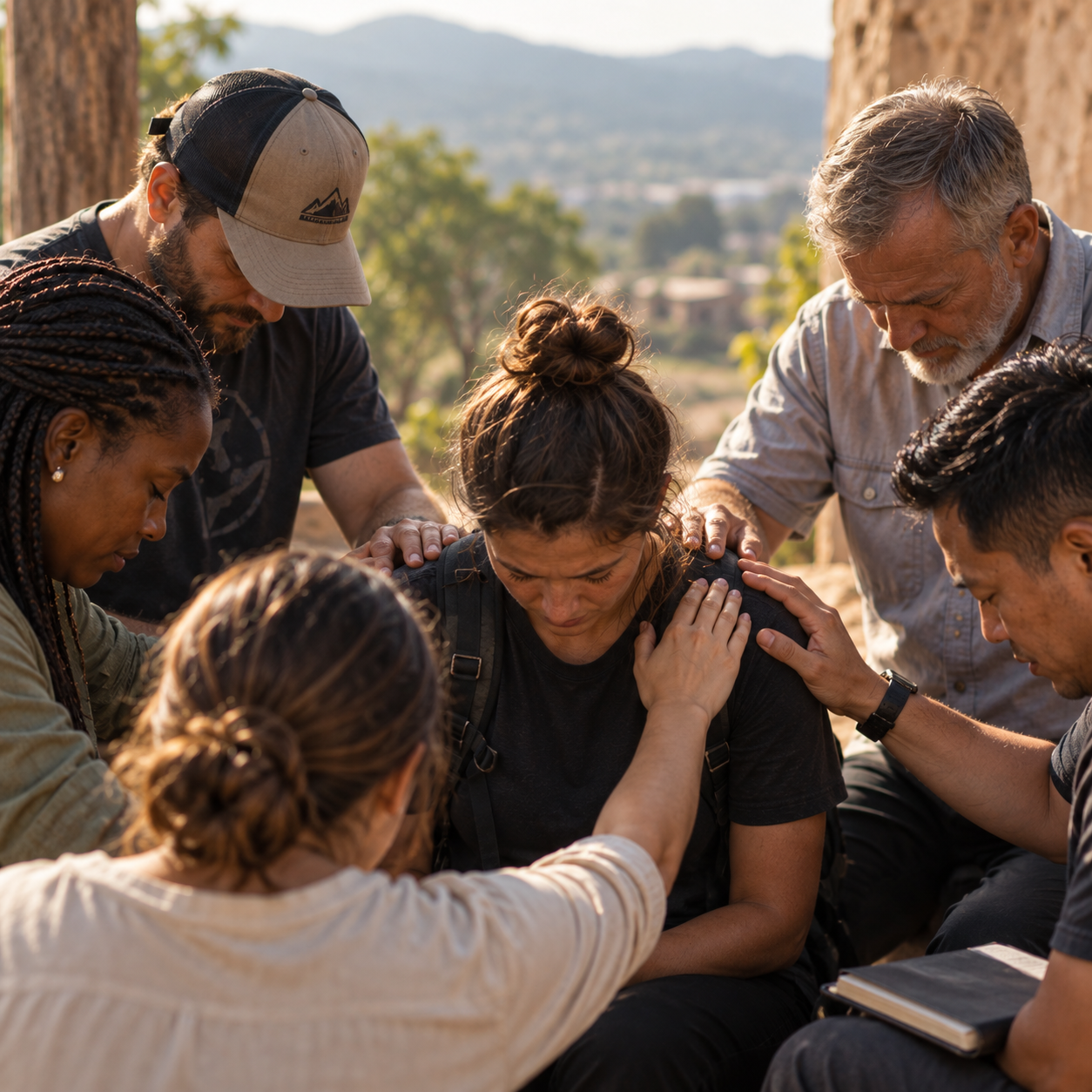
Missions was never meant to be a solo adventure. Invite your family, friends, small group, or church to discover what God is doing and join you in holding the rope.
Global
You’re on the front lines. We want to stand behind you. Join Hold the Rope to share your story, prayer needs, and ministry with people ready to pray and engage.

 Prayer
 Mission
 Research &
 Training &
 Videos &
 Missions
Djibouti’s evangelical missions story is closely tied to this history: evangelical witness has remained limited, often connected to expatriate, Ethiopian, Somali, and regional believers; local discipleship requires great discretion. Over time, responsibility increasingly shifted toward local pastors, evangelists, teachers, and churches rather than remaining primarily in foreign hands. Political change, migration, conflict, or secularization reshaped the movement in different eras.
Evangelical witness in Djibouti remained limited, shaped by the country's Somali and Afar peoples and strong Islamic identity.
Christian presence came mainly through Ethiopian, expatriate, military, humanitarian, and regional Horn of Africa connections.
A tiny number of local believers emerged, often requiring discretion because family and community pressure can be severe.
Refugee movements and digital communication created new relationships with Somali-speaking Christians across national borders.
Djibouti remains almost entirely unreached today, making quiet local discipleship and diaspora-connected witness especially important.
Be a part of what God is doing in Djibouti
PRAY ENGAGE GIVE GO


Download the App
Grab your rope

Hold the Rope makes every effort to publish and maintain accurate, up-to-date information. If you find an error, please email support@holdtherope.com with the page URL and the correction you recommend. Thank you for helping us keep HTR accurate and useful.