God Is at Work. You’re Invited Into the Story.
Around the world, God is moving through ordinary people who pray, give, go, and serve. Hold the Rope helps you discover the stories—and find your place in them. Read More
MISSIONS IN
God is moving in Republic of the Congo
Missions in Republic of the Congo are shaped by a Central African nation with broad Christian identification but uneven biblical discipleship and church strength, major urban centers in Brazzaville and Pointe-Noire alongside remote forest communities, and one unreached group, about 13,000 Hausa, making renewal and leadership development larger national priorities. 1 unreached people groups remain, representing about 13,000 people.
 6.4M
POPULATION
6.4M
POPULATION
 85%
CHRISTIANS
85%
CHRISTIANS
 79.3%
LITERACY
79.3%
LITERACY
 1
UNREACHED PEOPLE GROUPS
1
UNREACHED PEOPLE GROUPS
 Hausa
LARGEST UNREACHED PEOPLE GROUP
Hausa
LARGEST UNREACHED PEOPLE GROUP
 13K
UNREACHED POPULATION
13K
UNREACHED POPULATION
 Brazzaville
CAPITAL CITY
Brazzaville
CAPITAL CITY
 Brazzaville
Pointe-Noire
Dolisie
LARGEST CITIES
Brazzaville
Pointe-Noire
Dolisie
LARGEST CITIES
 Central African CFA Franc
CURRENCY
Central African CFA Franc
CURRENCY
 Tropical climate, with high humidity, distinct wet and dry seasons, and cooler conditions along parts of.
CLIMATE
Tropical climate, with high humidity, distinct wet and dry seasons, and cooler conditions along parts of.
CLIMATE
 French
PRIMARY LANGUAGES
French
PRIMARY LANGUAGES
 Islam
LARGEST UNREACHED RELIGION
Islam
LARGEST UNREACHED RELIGION
Around the world, God is moving through ordinary people who pray, give, go, and serve. Hold the Rope helps you discover the stories—and find your place in them. Read More
 Bible Translation
French and Kituba resources can deepen biblical literacy beyond the country's broad Christian identification.
Bible Translation
French and Kituba resources can deepen biblical literacy beyond the country's broad Christian identification.
 Church Planting
Brazzaville and Pointe-Noire need churches that combine numerical growth with accountable pastoral leadership.
Church Planting
Brazzaville and Pointe-Noire need churches that combine numerical growth with accountable pastoral leadership.
 Disaster Relief
Church planting remains urgent among Somali, coastal Muslim.
Disaster Relief
Church planting remains urgent among Somali, coastal Muslim.
 Education
Church planting remains urgent among Somali, coastal Muslim.
Education
Church planting remains urgent among Somali, coastal Muslim.
 Gospel Access
Only one UPG remains—about 13,000 Hausa—so church health is a larger national priority than frontier access.
Gospel Access
Only one UPG remains—about 13,000 Hausa—so church health is a larger national priority than frontier access.
 Human Trafficking
Church planting remains urgent among Somali, coastal Muslim.
Human Trafficking
Church planting remains urgent among Somali, coastal Muslim.
 Medical Missions
Church planting remains urgent among Somali, coastal Muslim.
Medical Missions
Church planting remains urgent among Somali, coastal Muslim.
 Orphans & Vulnerable Children
Church planting remains urgent among Somali, coastal Muslim.
Orphans & Vulnerable Children
Church planting remains urgent among Somali, coastal Muslim.
 Persecuted Church
Christians worship openly; the pressing concern is integrity, sound teaching, and resistance to exploitative ministry.
Persecuted Church
Christians worship openly; the pressing concern is integrity, sound teaching, and resistance to exploitative ministry.
 Poverty & Justice
Congregations can address unemployment and urban poverty through savings groups, job skills, and family support.
Poverty & Justice
Congregations can address unemployment and urban poverty through savings groups, job skills, and family support.
 Unreached People Groups
Millions still have little or no access to the gospel in their language and culture.
Unreached People Groups
Millions still have little or no access to the gospel in their language and culture.
Global
Around the world, God is moving through ordinary people who pray, give, go, and serve. Hold the Rope helps you discover the stories—and find your place in them.

Global
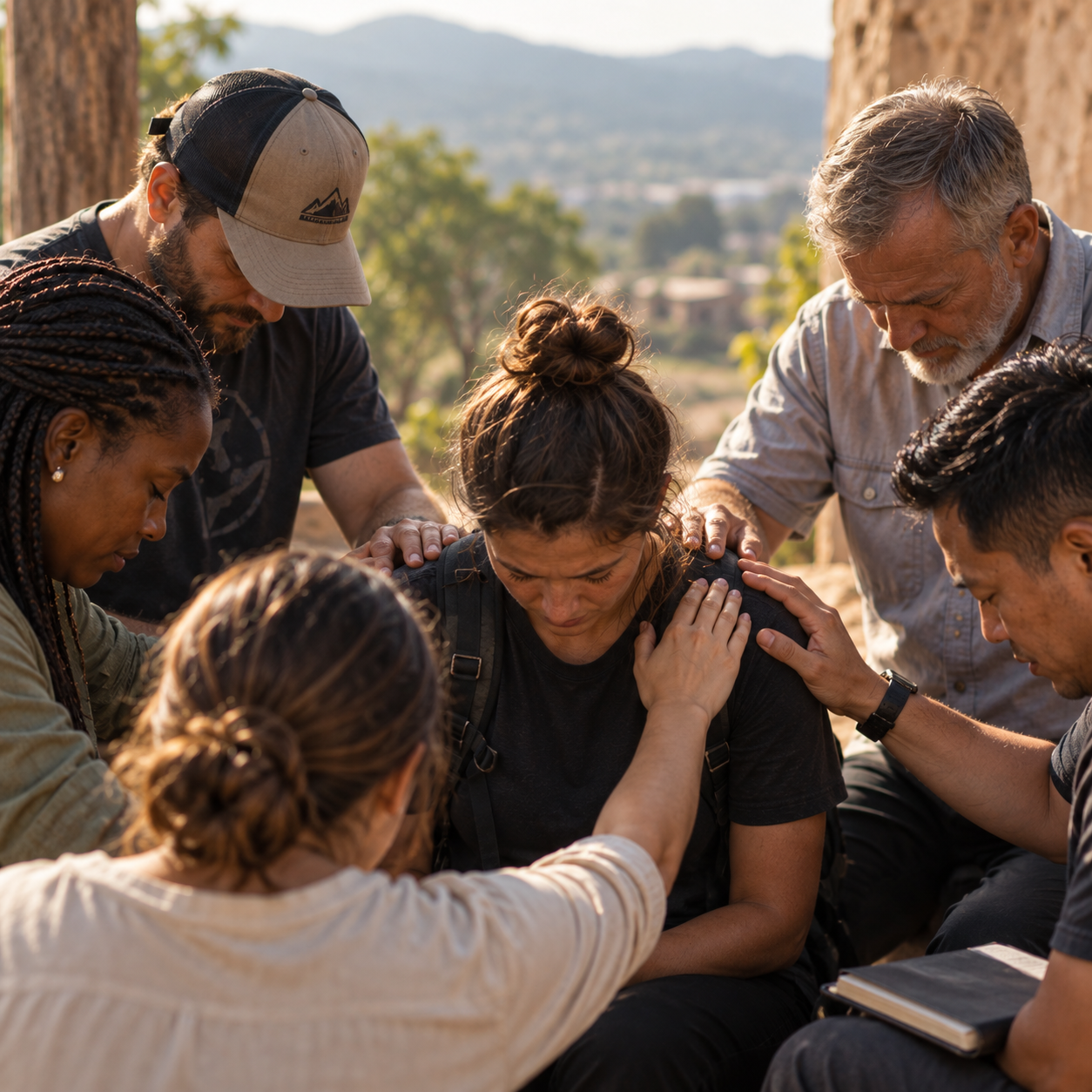
Missions was never meant to be a solo adventure. Invite your family, friends, small group, or church to discover what God is doing and join you in holding the rope.
Global
You’re on the front lines. We want to stand behind you. Join Hold the Rope to share your story, prayer needs, and ministry with people ready to pray and engage.

 Prayer
 Mission
 Research &
 Training &
 Videos &
 Missions
Republic of the Congo’s evangelical missions story is closely tied to this history: evangelical missions established churches, schools, and Bible work in the late 19th and early 20th centuries; Congolese leaders later carried the movement. Over time, responsibility increasingly shifted toward local pastors, evangelists, teachers, and churches rather than remaining primarily in foreign hands. Political change, migration, conflict, or secularization reshaped the movement in different eras.
Evangelical missions entered the Congo basin in the late 19th and early 20th centuries through several mission societies.
Churches, schools, translation projects, and medical ministries developed along the Congo River and in interior communities.
Congolese pastors and evangelists increasingly assumed leadership as national denominations and independent churches matured.
Post-independence political upheaval and urbanization shifted much ministry toward Brazzaville and rapidly growing Pointe-Noire.
Republic of the Congo churches now need theological depth and integrity more than large-scale frontier evangelization.
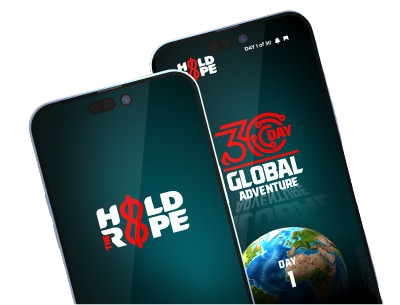
Be a part of what God is doing in Republic of the Congo
PRAY ENGAGE GIVE GO


Download the App
Grab your rope
Hold the Rope makes every effort to publish and maintain accurate, up-to-date information. If you find an error, please email support@holdtherope.com with the page URL and the correction you recommend. Thank you for helping us keep HTR accurate and useful.