
Bible Translation in Sango
Central Africa
Translating scripture into Sango so families can read the Word in their heart language. Read More
MISSIONS IN
God is moving in Central African Republic
Missions in Central African Republic are shaped by a deeply wounded nation where civil conflict has displaced families and fractured communities, a substantial evangelical church with strong Baptist, Brethren, Lutheran, and Pentecostal roots, and six unreached peoples and roughly half a million unreached people, led by Fulani communities. 6 unreached people groups remain, representing about 501,800 people; Fulani.
 5.4M
POPULATION
5.4M
POPULATION
 72.1%
CHRISTIANS
72.1%
CHRISTIANS
 36.8%
LITERACY
36.8%
LITERACY
 6
UNREACHED PEOPLE GROUPS
6
UNREACHED PEOPLE GROUPS
 Fulani
Bagirmi
LARGEST UNREACHED PEOPLE GROUP
Fulani
Bagirmi
LARGEST UNREACHED PEOPLE GROUP
 502K
UNREACHED POPULATION
502K
UNREACHED POPULATION
 Bangui
CAPITAL CITY
Bangui
CAPITAL CITY
 Bangui
Bimbo
Berbérati
LARGEST CITIES
Bangui
Bimbo
Berbérati
LARGEST CITIES
 Central African CFA Franc
CURRENCY
Central African CFA Franc
CURRENCY
 Tropical climate, with a wet season and dry season, hotter conditions northward, and humid forests in.
CLIMATE
Tropical climate, with a wet season and dry season, hotter conditions northward, and humid forests in.
CLIMATE
 French
Sango
PRIMARY LANGUAGES
French
Sango
PRIMARY LANGUAGES
 Islam
LARGEST UNREACHED RELIGION
Islam
LARGEST UNREACHED RELIGION
Central Africa
Translating scripture into Sango so families can read the Word in their heart language. Read More
 Bible Translation
Sango Scripture gives broad access, while minority languages and oral formats can reach more isolated communities.
Bible Translation
Sango Scripture gives broad access, while minority languages and oral formats can reach more isolated communities.
 Church Planting
Church planting must accompany displaced people and rebuild congregations in places emptied by years of violence.
Church Planting
Church planting must accompany displaced people and rebuild congregations in places emptied by years of violence.
 Disaster Relief
Church planting remains urgent among Somali, coastal Muslim.
Disaster Relief
Church planting remains urgent among Somali, coastal Muslim.
 Education
Church planting remains urgent among Somali, coastal Muslim.
Education
Church planting remains urgent among Somali, coastal Muslim.
 Gospel Access
Six UPGs remain, with roughly half a million unreached people and Fulani communities representing the largest need.
Gospel Access
Six UPGs remain, with roughly half a million unreached people and Fulani communities representing the largest need.
 Human Trafficking
Church planting remains urgent among Somali, coastal Muslim.
Human Trafficking
Church planting remains urgent among Somali, coastal Muslim.
 Medical Missions
Church planting remains urgent among Somali, coastal Muslim.
Medical Missions
Church planting remains urgent among Somali, coastal Muslim.
 Orphans & Vulnerable Children
Church planting remains urgent among Somali, coastal Muslim.
Orphans & Vulnerable Children
Church planting remains urgent among Somali, coastal Muslim.
 Persecuted Church
Believers are numerous, but militia violence and communal instability can make Christian peacemaking costly.
Persecuted Church
Believers are numerous, but militia violence and communal instability can make Christian peacemaking costly.
 Poverty & Justice
Churches can support livelihoods for displaced families returning to communities damaged by years of conflict.
Poverty & Justice
Churches can support livelihoods for displaced families returning to communities damaged by years of conflict.
 Unreached People Groups
Millions still have little or no access to the gospel in their language and culture.
Unreached People Groups
Millions still have little or no access to the gospel in their language and culture.
Central African Republic
Translating scripture into Sango so families can read the Word in their heart language.
Central African Republic
Accommodations for Doctor’s / Nurses
Central African Republic
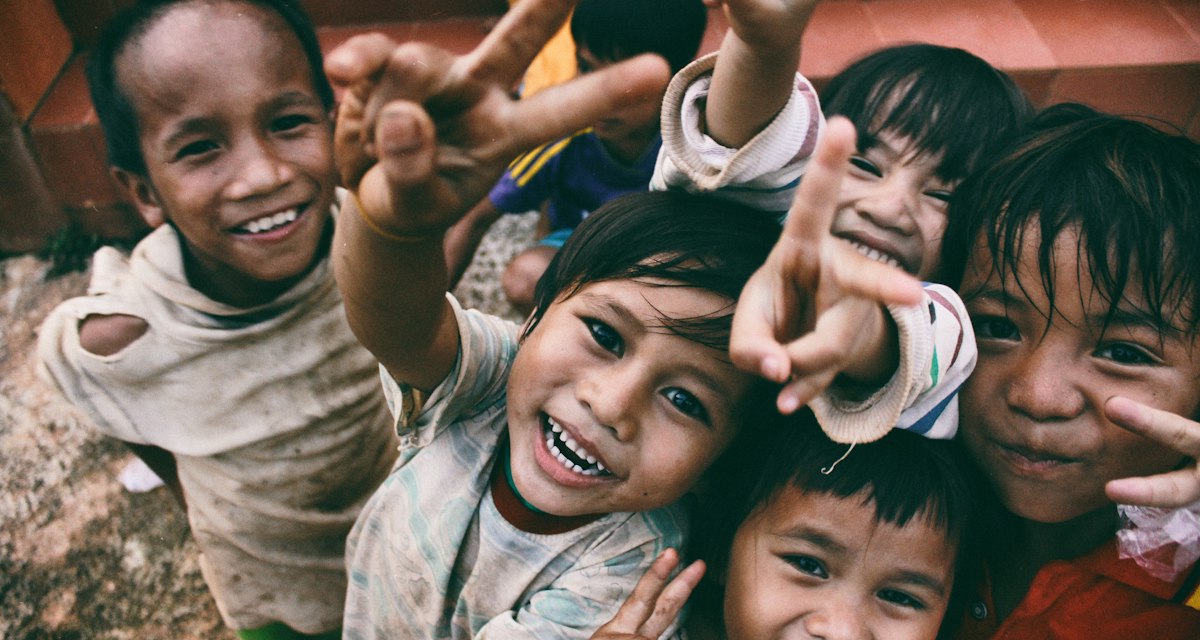
Feeding wells and the gospel where villages still walk for dirty water.

 Prayer
 Mission
 Research &
 Training &
 Videos &
 Missions
Central African Republic’s evangelical missions story is closely tied to this history: 20th-century missions established churches, schools, hospitals, and Bible translation; local churches now combine evangelism with trauma care and relief. Over time, responsibility increasingly shifted toward local pastors, evangelists, teachers, and churches rather than remaining primarily in foreign hands. Political change, migration, conflict, or secularization reshaped the movement in different eras.
Twentieth-century evangelical missions established churches, schools, clinics, and Bible work across parts of Central Africa.
Baptist, Brethren, Lutheran, and later Pentecostal congregations grew as Central African leaders took increasing responsibility.
Repeated coups and civil wars disrupted ministry, destroyed communities, and displaced both pastors and church members.
Local churches increasingly combined evangelism with trauma healing, food assistance, reconciliation, and rebuilding.
Central African believers now serve a wounded nation while seeking Fulani and other communities with limited Gospel access.
Be a part of what God is doing in Central African Republic
PRAY ENGAGE GIVE GO


Download the App
Grab your rope
Hold the Rope makes every effort to publish and maintain accurate, up-to-date information. If you find an error, please email support@holdtherope.com with the page URL and the correction you recommend. Thank you for helping us keep HTR accurate and useful.