God Is at Work. You’re Invited Into the Story.
Around the world, God is moving through ordinary people who pray, give, go, and serve. Hold the Rope helps you discover the stories—and find your place in them. Read More
MISSIONS IN
God is moving in Cabo Verde
Missions in Cabo Verde are shaped by a small Atlantic island nation with broad Christian identification and strong migration ties, an evangelical minority shaped by Nazarene, Baptist, Pentecostal, and diaspora connections, and one unreached people group, about 73,000 Fulani, alongside a much larger need for discipleship among nominal Christians. 1 unreached people groups remain, representing about 73,000 people; Fulani.
 526K
POPULATION
526K
POPULATION
 95%
CHRISTIANS
95%
CHRISTIANS
 86.8%
LITERACY
86.8%
LITERACY
 1
UNREACHED PEOPLE GROUPS
1
UNREACHED PEOPLE GROUPS
 Fulani
Adamawa
LARGEST UNREACHED PEOPLE GROUP
Fulani
Adamawa
LARGEST UNREACHED PEOPLE GROUP
 73K
UNREACHED POPULATION
73K
UNREACHED POPULATION
 Praia
CAPITAL CITY
Praia
CAPITAL CITY
 Praia
Mindelo
Assomada
LARGEST CITIES
Praia
Mindelo
Assomada
LARGEST CITIES
 Cape
Verdean
Escudo
CURRENCY
Cape
Verdean
Escudo
CURRENCY
 Dry subtropical climate, with warm temperatures, persistent trade winds, scarce rainfall, and recurring.
CLIMATE
Dry subtropical climate, with warm temperatures, persistent trade winds, scarce rainfall, and recurring.
CLIMATE
 Portuguese
Cape Verdean Creole
PRIMARY LANGUAGES
Portuguese
Cape Verdean Creole
PRIMARY LANGUAGES
 Islam
LARGEST UNREACHED RELIGION
Islam
LARGEST UNREACHED RELIGION
Around the world, God is moving through ordinary people who pray, give, go, and serve. Hold the Rope helps you discover the stories—and find your place in them. Read More
 Bible Translation
Portuguese and Cape Verdean Creole resources can help biblical teaching move naturally into homes and communities.
Bible Translation
Portuguese and Cape Verdean Creole resources can help biblical teaching move naturally into homes and communities.
 Church Planting
Churches outside Praia and Mindelo benefit from leaders equipped for smaller islands and diaspora-connected families.
Church Planting
Churches outside Praia and Mindelo benefit from leaders equipped for smaller islands and diaspora-connected families.
 Disaster Relief
Church planting remains urgent among Somali, coastal Muslim.
Disaster Relief
Church planting remains urgent among Somali, coastal Muslim.
 Education
Church planting remains urgent among Somali, coastal Muslim.
Education
Church planting remains urgent among Somali, coastal Muslim.
 Gospel Access
One UPG remains: roughly 73,000 Fulani, making focused cross-cultural outreach possible alongside church renewal.
Gospel Access
One UPG remains: roughly 73,000 Fulani, making focused cross-cultural outreach possible alongside church renewal.
 Human Trafficking
Church planting remains urgent among Somali, coastal Muslim.
Human Trafficking
Church planting remains urgent among Somali, coastal Muslim.
 Medical Missions
Church planting remains urgent among Somali, coastal Muslim.
Medical Missions
Church planting remains urgent among Somali, coastal Muslim.
 Orphans & Vulnerable Children
Church planting remains urgent among Somali, coastal Muslim.
Orphans & Vulnerable Children
Church planting remains urgent among Somali, coastal Muslim.
 Persecuted Church
Evangelicals generally worship freely, so spiritual vitality and biblical depth matter more than legal protection.
Persecuted Church
Evangelicals generally worship freely, so spiritual vitality and biblical depth matter more than legal protection.
 Poverty & Justice
Water scarcity and uneven opportunity invite churches to support livelihoods without fostering dependency.
Poverty & Justice
Water scarcity and uneven opportunity invite churches to support livelihoods without fostering dependency.
 Unreached People Groups
Millions still have little or no access to the gospel in their language and culture.
Unreached People Groups
Millions still have little or no access to the gospel in their language and culture.
Global
Around the world, God is moving through ordinary people who pray, give, go, and serve. Hold the Rope helps you discover the stories—and find your place in them.
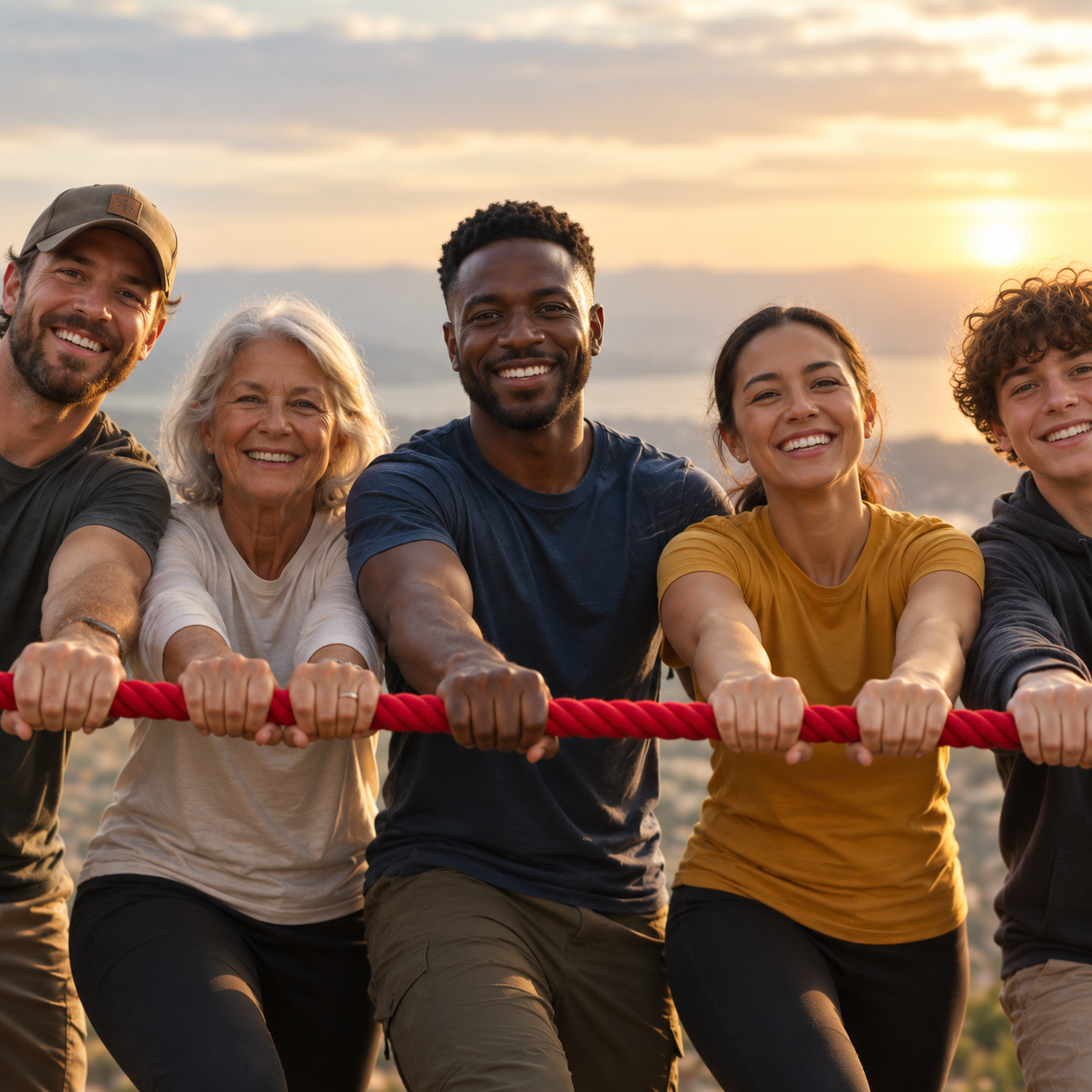
Global
Missions was never meant to be a solo adventure. Invite your family, friends, small group, or church to discover what God is doing and join you in holding the rope.
Global
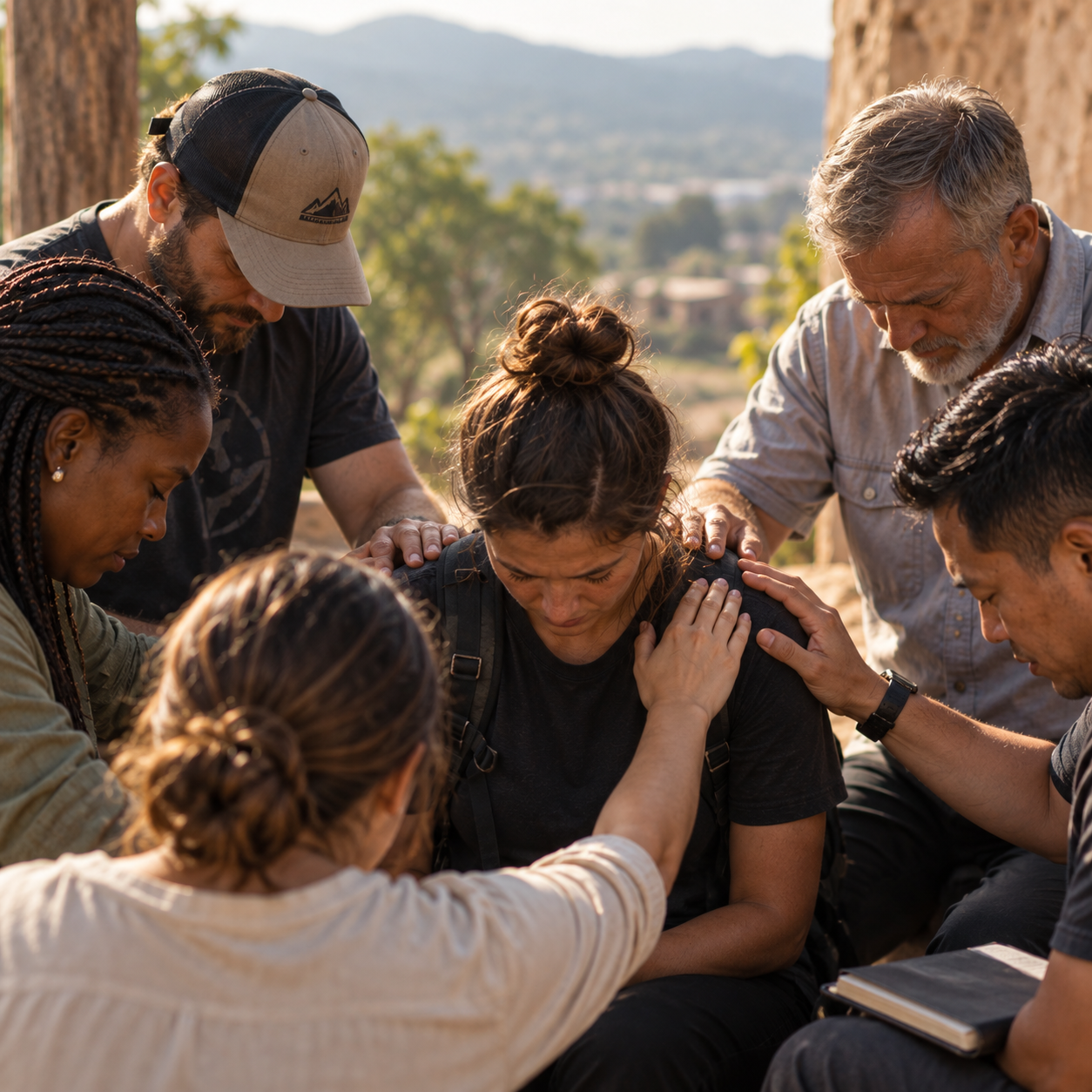
You’re on the front lines. We want to stand behind you. Join Hold the Rope to share your story, prayer needs, and ministry with people ready to pray and engage.

 Prayer
 Mission
 Research &
 Training &
 Videos &
 Missions
Cabo Verde’s evangelical missions story is closely tied to this history: evangelical work expanded in the 20th century through holiness and Pentecostal movements, with migration linking churches to Europe and the Americas. Over time, responsibility increasingly shifted toward local pastors, evangelists, teachers, and churches rather than remaining primarily in foreign hands. Political change, migration, conflict, or secularization reshaped the movement in different eras.
Evangelical congregations in Cabo Verde expanded mainly during the 20th century through holiness and later Pentecostal movements.
Island churches developed in a society deeply shaped by migration, drought, maritime life, and links with Portugal.
Cape Verdean pastors gradually assumed local leadership as congregations spread beyond the principal urban centers.
Large diaspora communities in Europe and the Americas created two-way ministry relationships with churches on the islands.
Today's opportunity is to deepen discipleship at home while mobilizing Cape Verde's global diaspora for Gospel witness.
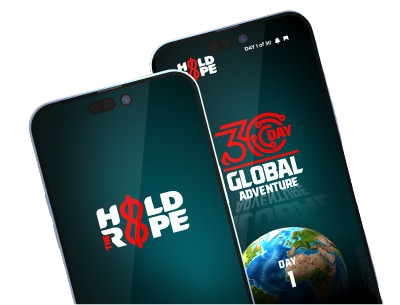
Be a part of what God is doing in Cabo Verde
PRAY ENGAGE GIVE GO


Download the App
Grab your rope
Hold the Rope makes every effort to publish and maintain accurate, up-to-date information. If you find an error, please email support@holdtherope.com with the page URL and the correction you recommend. Thank you for helping us keep HTR accurate and useful.