God Is at Work. You’re Invited Into the Story.
Around the world, God is moving through ordinary people who pray, give, go, and serve. Hold the Rope helps you discover the stories—and find your place in them. Read More
MISSIONS IN
God is moving in Cameroon
Missions in Cameroon are shaped by a linguistically diverse nation divided between a heavily churched south and less-reached Muslim north, strong Presbyterian, Baptist, Lutheran, Pentecostal, and indigenous evangelical traditions, and 17 unreached peoples and more than four million unreached Fulani of the Adamawa region. 17 unreached people groups remain, representing about 4,204,200 people; Fulani, Adamawa is the largest listed community.
 30M
POPULATION
30M
POPULATION
 56.7%
CHRISTIANS
56.7%
CHRISTIANS
 76%
LITERACY
76%
LITERACY
 17
UNREACHED PEOPLE GROUPS
17
UNREACHED PEOPLE GROUPS
 Fulani
Adamawa
LARGEST UNREACHED PEOPLE GROUP
Fulani
Adamawa
LARGEST UNREACHED PEOPLE GROUP
 4.2M
UNREACHED POPULATION
4.2M
UNREACHED POPULATION
 Yaoundé
CAPITAL CITY
Yaoundé
CAPITAL CITY
 Douala
Yaoundé
Garoua
LARGEST CITIES
Douala
Yaoundé
Garoua
LARGEST CITIES
 Central African CFA Franc
CURRENCY
Central African CFA Franc
CURRENCY
 Tropical on the coast and south, becoming drier northward, with cooler conditions across western.
CLIMATE
Tropical on the coast and south, becoming drier northward, with cooler conditions across western.
CLIMATE
 French
English
PRIMARY LANGUAGES
French
English
PRIMARY LANGUAGES
 Islam
LARGEST UNREACHED RELIGION
Islam
LARGEST UNREACHED RELIGION
Around the world, God is moving through ordinary people who pray, give, go, and serve. Hold the Rope helps you discover the stories—and find your place in them. Read More
 Bible Translation
French, English, and heart-language Scripture resources are needed across Cameroon's extraordinary diversity.
Bible Translation
French, English, and heart-language Scripture resources are needed across Cameroon's extraordinary diversity.
 Church Planting
New churches are especially needed across the Muslim north and in communities displaced by regional conflict.
Church Planting
New churches are especially needed across the Muslim north and in communities displaced by regional conflict.
 Disaster Relief
Church planting remains urgent among Somali, coastal Muslim.
Disaster Relief
Church planting remains urgent among Somali, coastal Muslim.
 Education
Church planting remains urgent among Somali, coastal Muslim.
Education
Church planting remains urgent among Somali, coastal Muslim.
 Gospel Access
Seventeen UPGs remain; more than four million unreached Adamawa Fulani form the largest listed community.
Gospel Access
Seventeen UPGs remain; more than four million unreached Adamawa Fulani form the largest listed community.
 Human Trafficking
Church planting remains urgent among Somali, coastal Muslim.
Human Trafficking
Church planting remains urgent among Somali, coastal Muslim.
 Medical Missions
Church planting remains urgent among Somali, coastal Muslim.
Medical Missions
Church planting remains urgent among Somali, coastal Muslim.
 Orphans & Vulnerable Children
Church planting remains urgent among Somali, coastal Muslim.
Orphans & Vulnerable Children
Church planting remains urgent among Somali, coastal Muslim.
 Persecuted Church
Believers have broad legal freedom, but insecurity and communal tensions make peacemaking an important witness.
Persecuted Church
Believers have broad legal freedom, but insecurity and communal tensions make peacemaking an important witness.
 Poverty & Justice
Churches can bridge ethnic and linguistic divisions while assisting families uprooted by conflict and poverty.
Poverty & Justice
Churches can bridge ethnic and linguistic divisions while assisting families uprooted by conflict and poverty.
 Unreached People Groups
Millions still have little or no access to the gospel in their language and culture.
Unreached People Groups
Millions still have little or no access to the gospel in their language and culture.
Global
Around the world, God is moving through ordinary people who pray, give, go, and serve. Hold the Rope helps you discover the stories—and find your place in them.
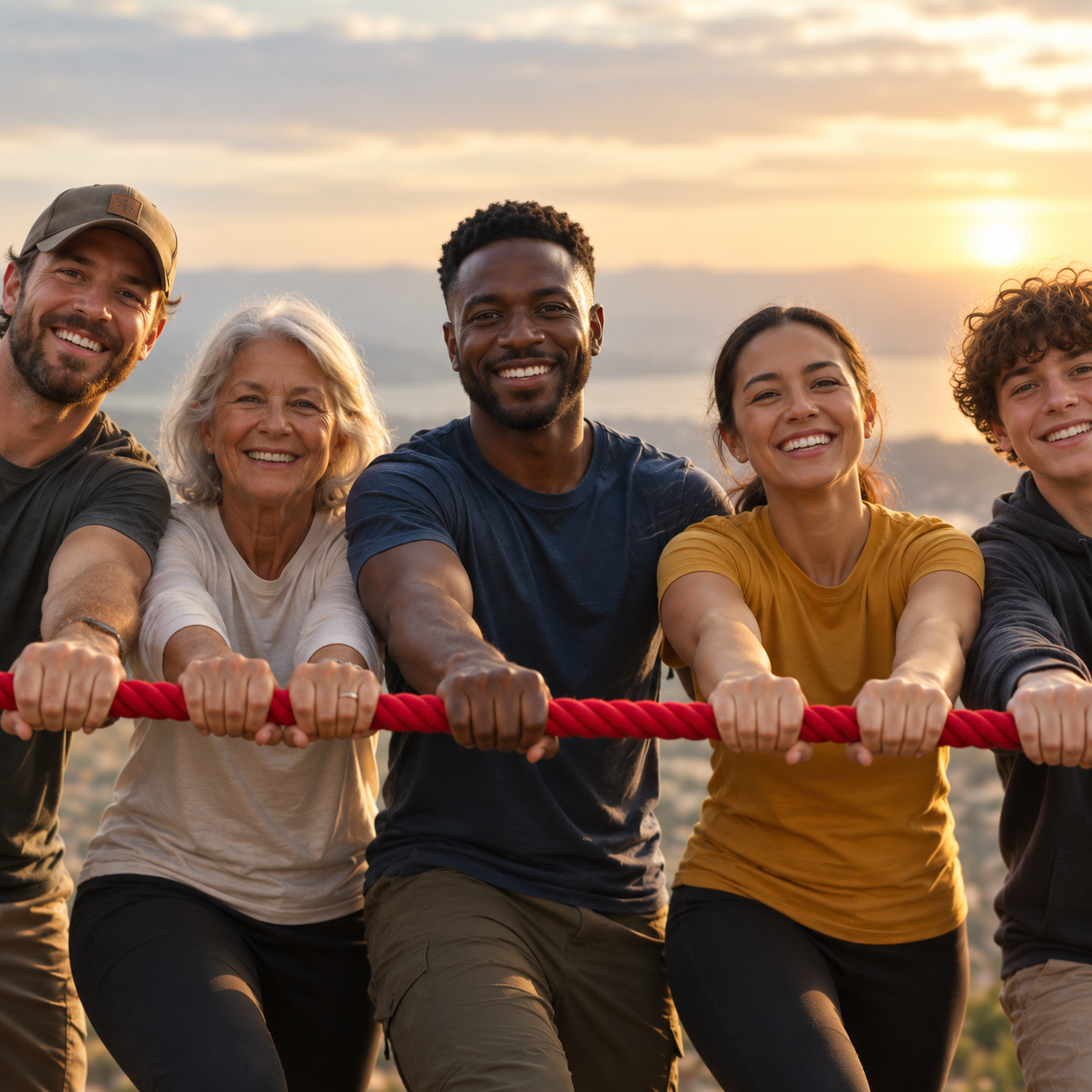
Global
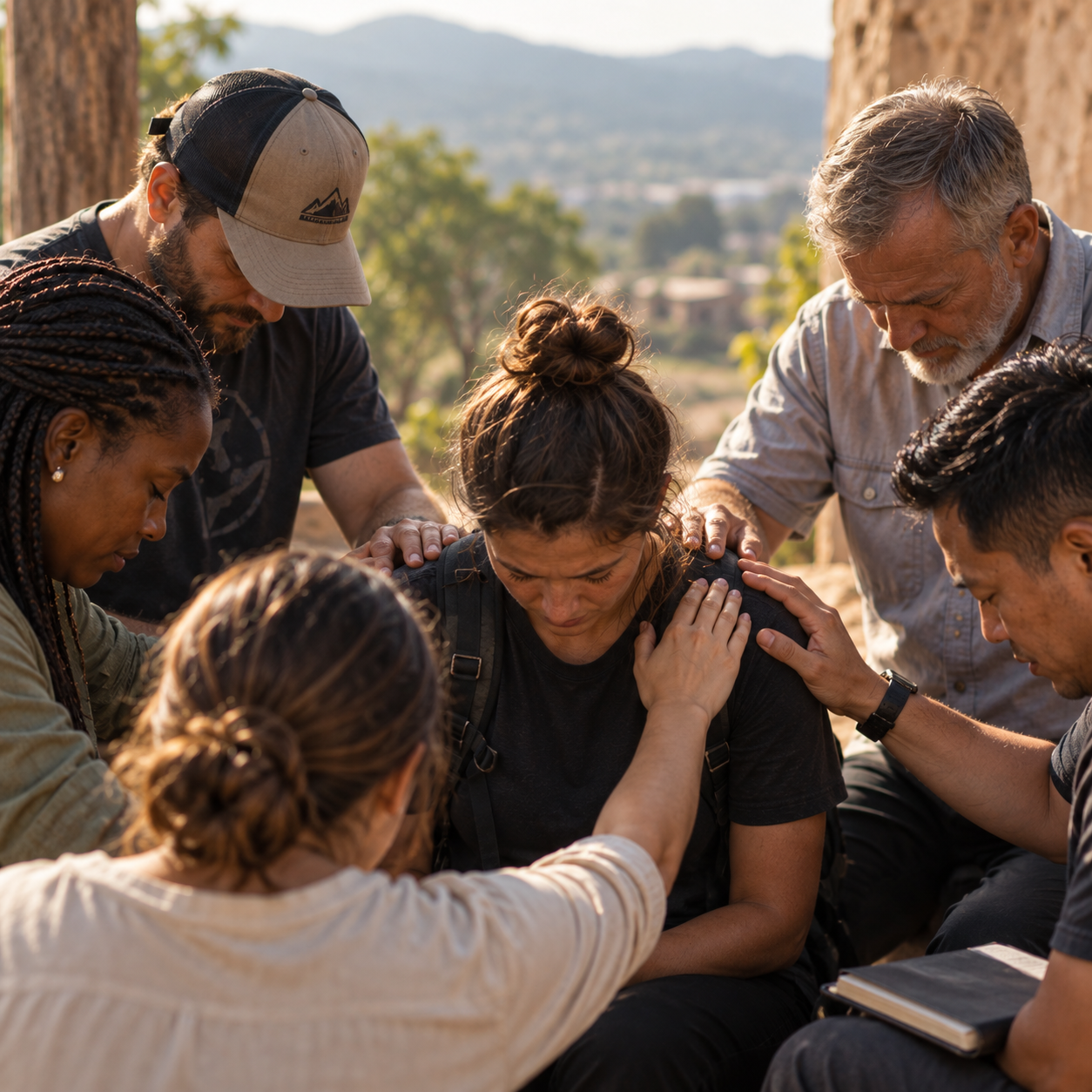
Missions was never meant to be a solo adventure. Invite your family, friends, small group, or church to discover what God is doing and join you in holding the rope.
Global
You’re on the front lines. We want to stand behind you. Join Hold the Rope to share your story, prayer needs, and ministry with people ready to pray and engage.

 Prayer
 Mission
 Research &
 Training &
 Videos &
 Missions
Cameroon’s evangelical missions story is closely tied to this history: 19th-century Baptist and Presbyterian work established churches and schools; African leadership expanded strongly during the 20th century. Over time, responsibility increasingly shifted toward local pastors, evangelists, teachers, and churches rather than remaining primarily in foreign hands. Political change, migration, conflict, or secularization reshaped the movement in different eras.
Jamaican Baptist missionary Joseph Merrick began work on the Cameroon coast in 1844, followed by Alfred Saker.
The Basel Mission took over much Baptist work in 1886, while American Presbyterians expanded inland from the south.
African Christians asserted increasing autonomy, forming indigenous churches and eventually leading major denominations.
Bible translation, schools, hospitals, and theological education helped churches spread across Cameroon's many peoples.
Cameroonian believers now face a dual task: renewing established churches and reaching Muslim peoples of the north.
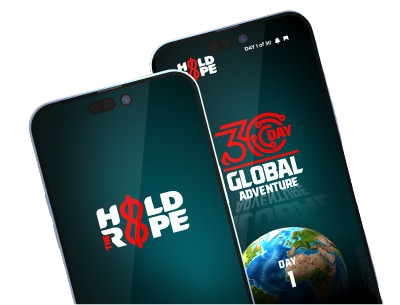
Be a part of what God is doing in Cameroon
PRAY ENGAGE GIVE GO


Download the App
Grab your rope
Hold the Rope makes every effort to publish and maintain accurate, up-to-date information. If you find an error, please email support@holdtherope.com with the page URL and the correction you recommend. Thank you for helping us keep HTR accurate and useful.