God Is at Work. You’re Invited Into the Story.
Around the world, God is moving through ordinary people who pray, give, go, and serve. Hold the Rope helps you discover the stories—and find your place in them. Read More
MISSIONS IN
God is moving in Burundi
Missions in Burundi are shaped by a densely populated Great Lakes nation with broad Christian identification, a remarkable East African Revival legacy that shaped repentance, discipleship, and lay witness, and poverty, trauma, political tension, and land pressure that continue to burden families. 3 unreached people groups remain, representing about 21,900 people; Swahili is the largest listed community.
 14M
POPULATION
14M
POPULATION
 92.9%
CHRISTIANS
92.9%
CHRISTIANS
 85.6%
LITERACY
85.6%
LITERACY
 3
UNREACHED PEOPLE GROUPS
3
UNREACHED PEOPLE GROUPS
 Swahili
LARGEST UNREACHED PEOPLE GROUP
Swahili
LARGEST UNREACHED PEOPLE GROUP
 22K
UNREACHED POPULATION
22K
UNREACHED POPULATION
 Gitega
CAPITAL CITY
Gitega
CAPITAL CITY
 Bujumbura
Gitega
Ngozi
LARGEST CITIES
Bujumbura
Gitega
Ngozi
LARGEST CITIES
 Burundian
Franc
CURRENCY
Burundian
Franc
CURRENCY
 Tropical highland climate, with moderate temperatures, distinct rainy seasons, and cooler conditions at.
CLIMATE
Tropical highland climate, with moderate temperatures, distinct rainy seasons, and cooler conditions at.
CLIMATE
 Kirundi
French
PRIMARY LANGUAGES
Kirundi
French
PRIMARY LANGUAGES
 Islam
LARGEST UNREACHED RELIGION
Islam
LARGEST UNREACHED RELIGION
Around the world, God is moving through ordinary people who pray, give, go, and serve. Hold the Rope helps you discover the stories—and find your place in them. Read More
 Bible Translation
Kirundi Scripture is widely accessible, making faithful teaching and application more urgent than translation.
Bible Translation
Kirundi Scripture is widely accessible, making faithful teaching and application more urgent than translation.
 Church Planting
Church renewal can build on Burundi's revival heritage while developing accountable next-generation pastors.
Church Planting
Church renewal can build on Burundi's revival heritage while developing accountable next-generation pastors.
 Disaster Relief
Church planting remains urgent among Somali, coastal Muslim.
Disaster Relief
Church planting remains urgent among Somali, coastal Muslim.
 Education
Church planting remains urgent among Somali, coastal Muslim.
Education
Church planting remains urgent among Somali, coastal Muslim.
 Gospel Access
Only three UPGs remain, so Burundi's larger missions task is mature discipleship within a heavily churched nation.
Gospel Access
Only three UPGs remain, so Burundi's larger missions task is mature discipleship within a heavily churched nation.
 Human Trafficking
Church planting remains urgent among Somali, coastal Muslim.
Human Trafficking
Church planting remains urgent among Somali, coastal Muslim.
 Medical Missions
Church planting remains urgent among Somali, coastal Muslim.
Medical Missions
Church planting remains urgent among Somali, coastal Muslim.
 Orphans & Vulnerable Children
Church planting remains urgent among Somali, coastal Muslim.
Orphans & Vulnerable Children
Church planting remains urgent among Somali, coastal Muslim.
 Persecuted Church
Christians are numerous, but political tension makes reconciliation and nonpartisan pastoral courage important.
Persecuted Church
Christians are numerous, but political tension makes reconciliation and nonpartisan pastoral courage important.
 Poverty & Justice
Land pressure and extreme poverty call for savings groups, livelihoods, and compassionate local church action.
Poverty & Justice
Land pressure and extreme poverty call for savings groups, livelihoods, and compassionate local church action.
 Unreached People Groups
Millions still have little or no access to the gospel in their language and culture.
Unreached People Groups
Millions still have little or no access to the gospel in their language and culture.
Global
Around the world, God is moving through ordinary people who pray, give, go, and serve. Hold the Rope helps you discover the stories—and find your place in them.

Global
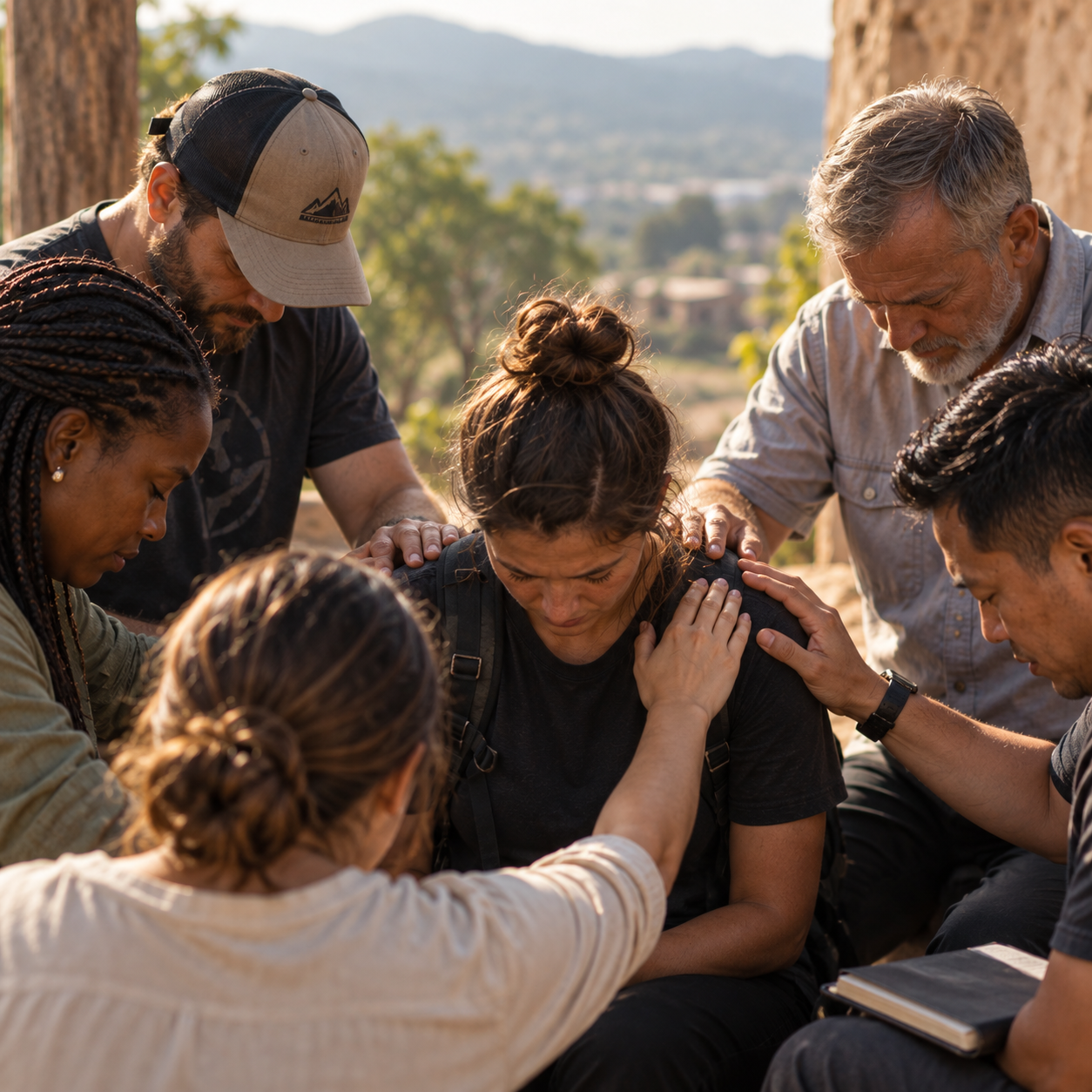
Missions was never meant to be a solo adventure. Invite your family, friends, small group, or church to discover what God is doing and join you in holding the rope.
Global
You’re on the front lines. We want to stand behind you. Join Hold the Rope to share your story, prayer needs, and ministry with people ready to pray and engage.

 Prayer
 Mission
 Research &
 Training &
 Videos &
 Missions
Burundi’s evangelical history was shaped by early Protestant missions and then profoundly by the East African Revival, which spread through the Great Lakes region in the 1930s and emphasized repentance, reconciliation, personal holiness, and lay witness. Churches grew rapidly and developed strong local leadership before and after independence. Later ethnic violence and civil war tested that witness severely, while churches served displaced families and pursued reconciliation.
Early Protestant missions established schools, medical work, Bible teaching, and congregations in Burundi.
The East African Revival reached Burundi in the 1930s, stressing repentance, holiness, reconciliation, and lay testimony.
Burundian pastors and evangelists increasingly carried church leadership through independence and rapid congregational growth.
Ethnic violence and civil war later tested the church's message as believers served displaced families and pursued peace.
Burundi's churches now face the task of turning broad Christian identity into deep discipleship and outward mission.

Be a part of what God is doing in Burundi
PRAY ENGAGE GIVE GO


Download the App
Grab your rope

Hold the Rope makes every effort to publish and maintain accurate, up-to-date information. If you find an error, please email support@holdtherope.com with the page URL and the correction you recommend. Thank you for helping us keep HTR accurate and useful.