God Is at Work. You’re Invited Into the Story.
Around the world, God is moving through ordinary people who pray, give, go, and serve. Hold the Rope helps you discover the stories—and find your place in them. Read More
MISSIONS IN
God is moving in Bosnia and Herzegovina
Missions in Bosnia and Herzegovina serve a country still shaped by the 1992–95 war, ethnic division, and strong religious identities tied to Bosniak, Serb, and Croat communities. There are three unreached people groups totaling about 1.61 million people, led by the Bosniak population. Evangelical churches are very small, making patient church planting, reconciliation, youth ministry, and locally led discipleship especially important.
 3.2M
POPULATION
3.2M
POPULATION
 50.2%
CHRISTIANS
50.2%
CHRISTIANS
 98.5%
LITERACY
98.5%
LITERACY
 3
UNREACHED PEOPLE GROUPS
3
UNREACHED PEOPLE GROUPS
 Bosniak
LARGEST UNREACHED PEOPLE GROUP
Bosniak
LARGEST UNREACHED PEOPLE GROUP
 1.6M
UNREACHED POPULATION
1.6M
UNREACHED POPULATION
 Sarajevo
CAPITAL CITY
Sarajevo
CAPITAL CITY
 Sarajevo
Banja Luka
Tuzla
LARGEST CITIES
Sarajevo
Banja Luka
Tuzla
LARGEST CITIES
 Bosnia-Herzegovina
Convertible
Mark
CURRENCY
Bosnia-Herzegovina
Convertible
Mark
CURRENCY
 Continental inland and Mediterranean near the south, with warm summers, cold winters, and mountain snow.
CLIMATE
Continental inland and Mediterranean near the south, with warm summers, cold winters, and mountain snow.
CLIMATE
 Bosnian
Serbian
PRIMARY LANGUAGES
Bosnian
Serbian
PRIMARY LANGUAGES
 Islam
LARGEST UNREACHED RELIGION
Islam
LARGEST UNREACHED RELIGION
Around the world, God is moving through ordinary people who pray, give, go, and serve. Hold the Rope helps you discover the stories—and find your place in them. Read More
 Bible Translation
Bosnian and Serbian Scripture is available, so churches need deeper engagement and discipleship.
Bible Translation
Bosnian and Serbian Scripture is available, so churches need deeper engagement and discipleship.
 Church Planting
Church planting is needed because evangelical congregations remain very small nationwide.
Church Planting
Church planting is needed because evangelical congregations remain very small nationwide.
 Disaster Relief
Church planting remains urgent among Somali, coastal Muslim.
Disaster Relief
Church planting remains urgent among Somali, coastal Muslim.
 Education
Church planting remains urgent among Somali, coastal Muslim.
Education
Church planting remains urgent among Somali, coastal Muslim.
 Gospel Access
About 1.61M people in three UPGs are unreached, led by the Bosniak population.
Gospel Access
About 1.61M people in three UPGs are unreached, led by the Bosniak population.
 Human Trafficking
Church planting remains urgent among Somali, coastal Muslim.
Human Trafficking
Church planting remains urgent among Somali, coastal Muslim.
 Medical Missions
Church planting remains urgent among Somali, coastal Muslim.
Medical Missions
Church planting remains urgent among Somali, coastal Muslim.
 Orphans & Vulnerable Children
Church planting remains urgent among Somali, coastal Muslim.
Orphans & Vulnerable Children
Church planting remains urgent among Somali, coastal Muslim.
 Persecuted Church
Evangelicals generally worship legally, but their tiny size can bring social misunderstanding.
Persecuted Church
Evangelicals generally worship legally, but their tiny size can bring social misunderstanding.
 Poverty & Justice
Unemployment and regional inequality create opportunities for practical, dignifying service.
Poverty & Justice
Unemployment and regional inequality create opportunities for practical, dignifying service.
 Unreached People Groups
Millions still have little or no access to the gospel in their language and culture.
Unreached People Groups
Millions still have little or no access to the gospel in their language and culture.
Global
Around the world, God is moving through ordinary people who pray, give, go, and serve. Hold the Rope helps you discover the stories—and find your place in them.

Global
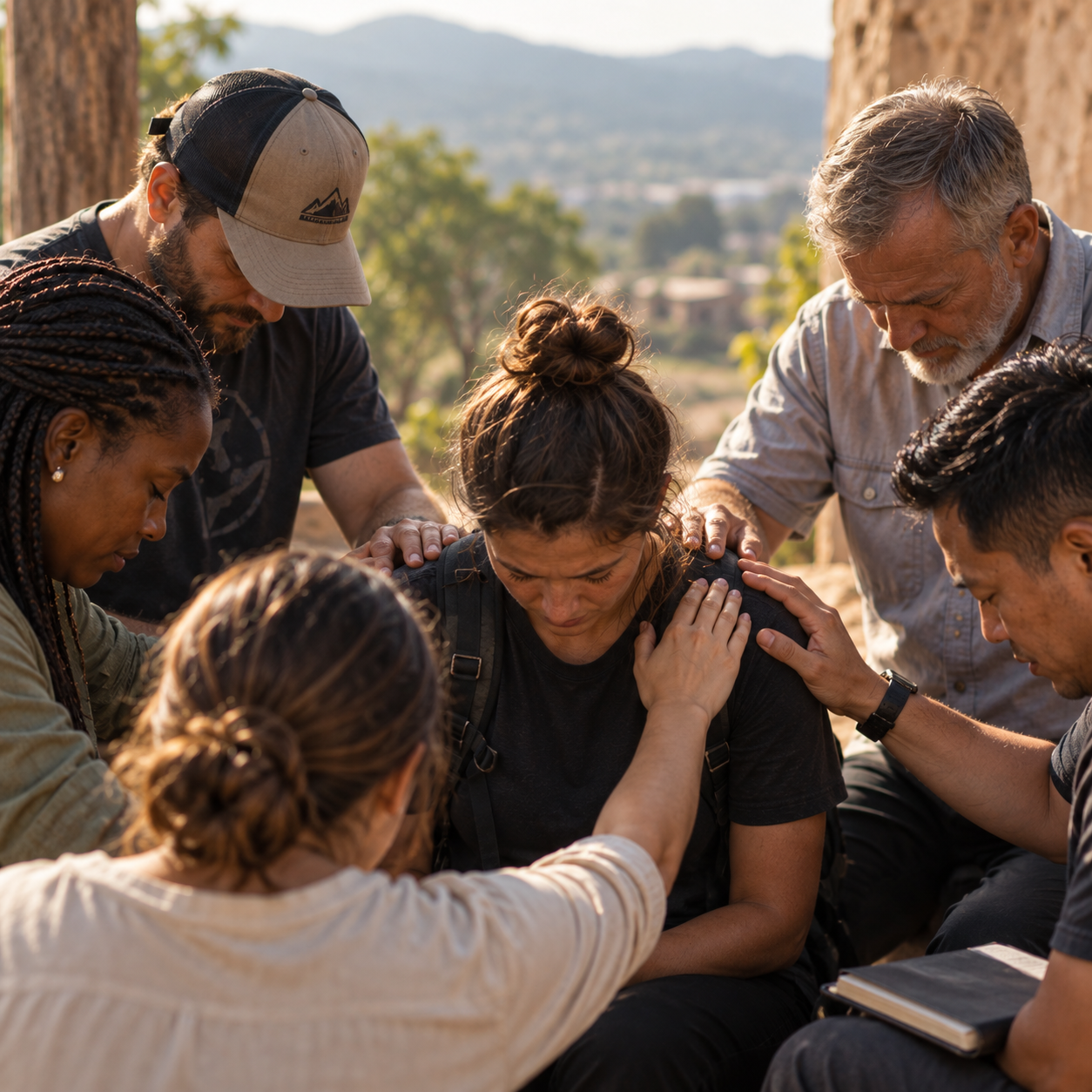
Missions was never meant to be a solo adventure. Invite your family, friends, small group, or church to discover what God is doing and join you in holding the rope.
Global
You’re on the front lines. We want to stand behind you. Join Hold the Rope to share your story, prayer needs, and ministry with people ready to pray and engage.

 Prayer
 Mission
 Research &
 Training &
 Videos &
 Missions
Bosnia and Herzegovina’s modern evangelical story is small but resilient. Baptist, Pentecostal, and other evangelical communities existed during the Yugoslav period, though they remained tiny. The 1992–95 war devastated the country and displaced millions, but evangelical believers and outside partners served through humanitarian aid, children’s ministry, and reconciliation efforts. After the war, local churches rebuilt and developed camps, outreach, compassion ministries, and church planting. Today, reconciliation and a distinctly Gospel-centered identity remain central to mission in a society still marked by ethnic division.
Small Baptist, Pentecostal, and other evangelical communities existed during the Yugoslav era.
The 1992–95 war devastated communities while believers served displaced families and children.
Postwar churches rebuilt ministries and increasingly developed local pastors and leaders.
Summer camps, reconciliation work, compassion ministries, and church planting expanded after war.
Today, Bosnia needs healthy local churches that model a Gospel identity beyond ethnic division.

Be a part of what God is doing in Bosnia and Herzegovina
PRAY ENGAGE GIVE GO


Download the App
Grab your rope

Hold the Rope makes every effort to publish and maintain accurate, up-to-date information. If you find an error, please email support@holdtherope.com with the page URL and the correction you recommend. Thank you for helping us keep HTR accurate and useful.